
← Talks
Scripting Flushing Bay
Panel on teaching in 2026 · Built Environment Deans Advancing Change
LAAR 63100 / ARCH 51000 · Fall 2025 · City College of New York
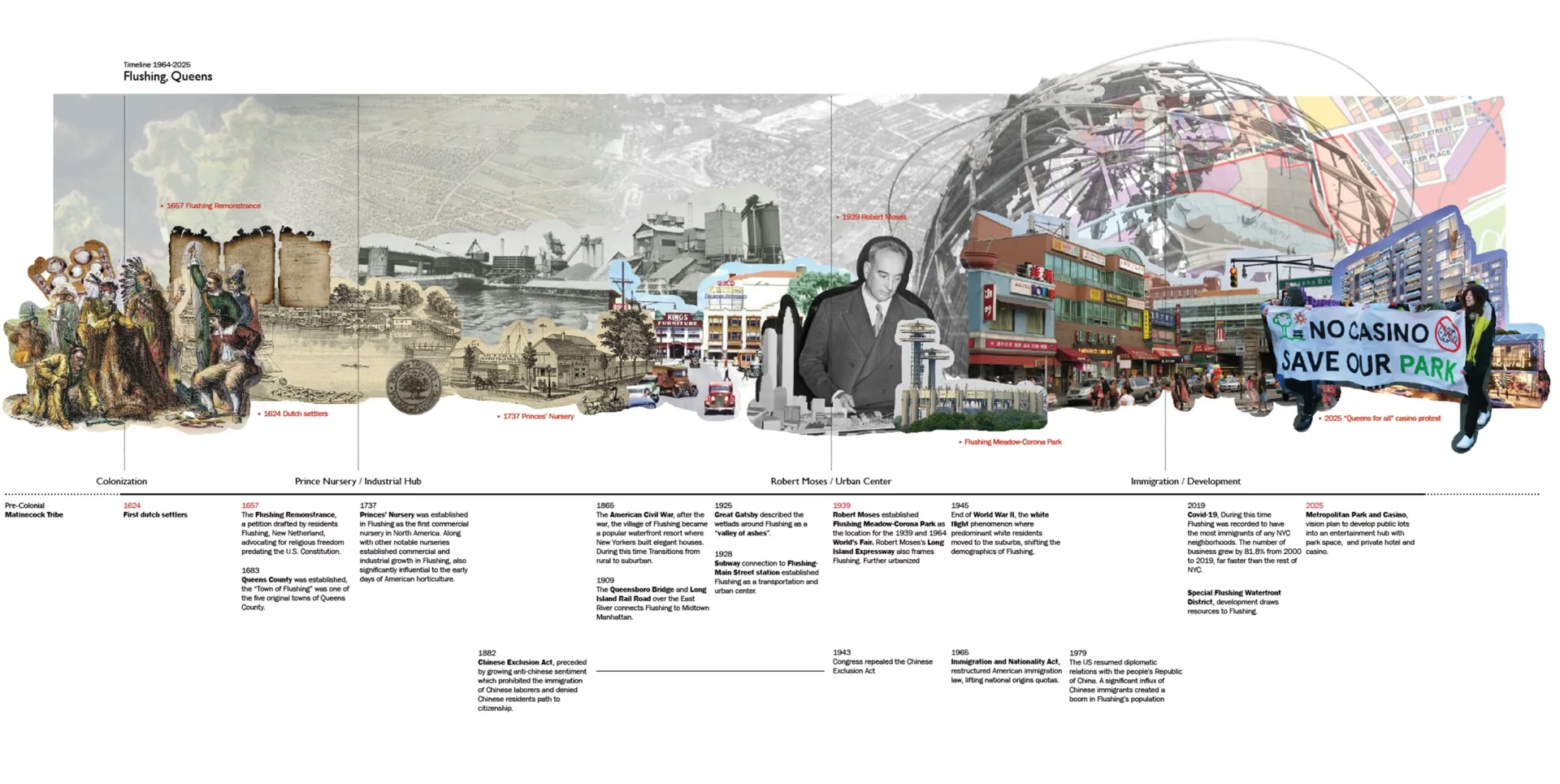
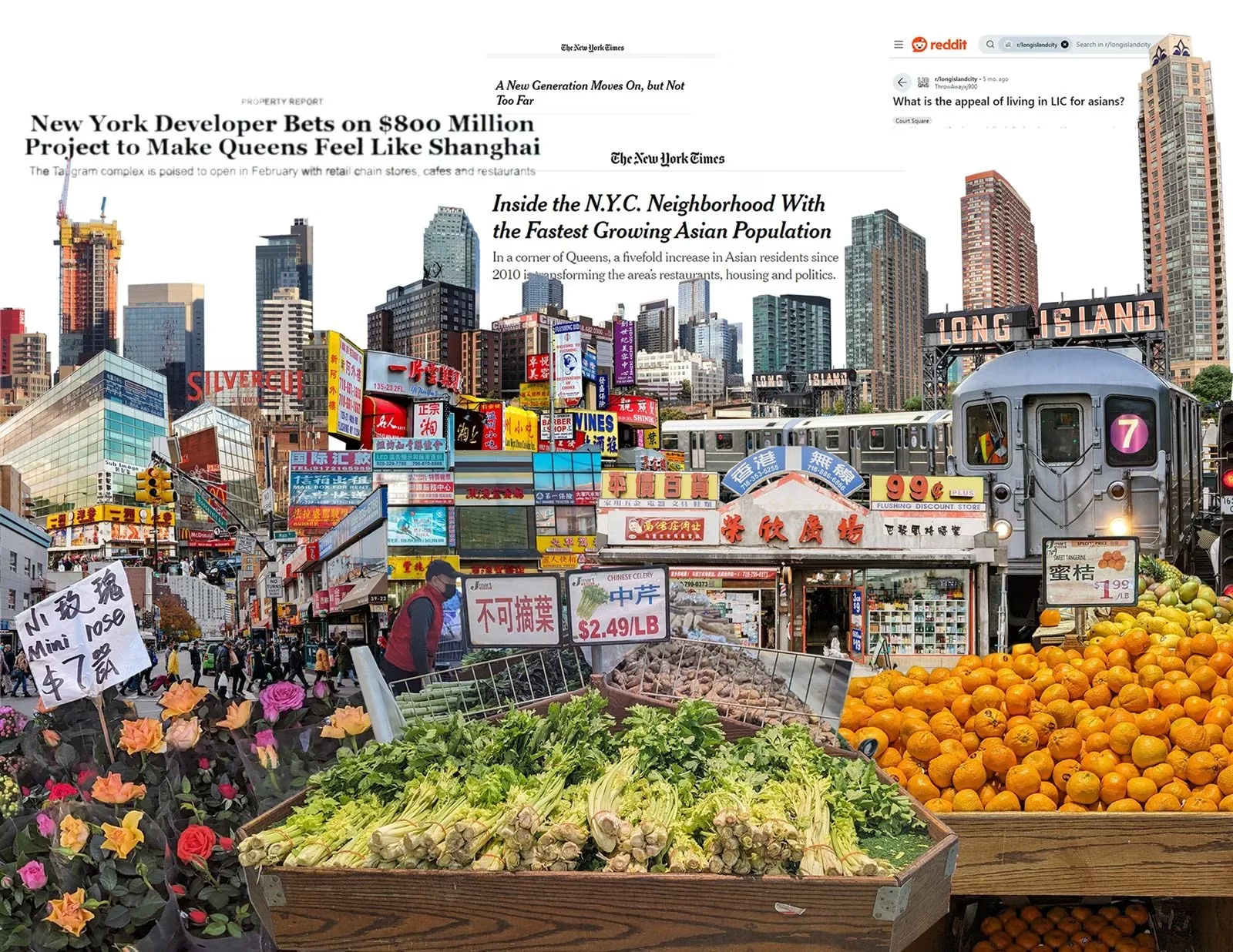
Collage of Flushing street signage, the LIC skyline, the 7 train and news headlines about Queens
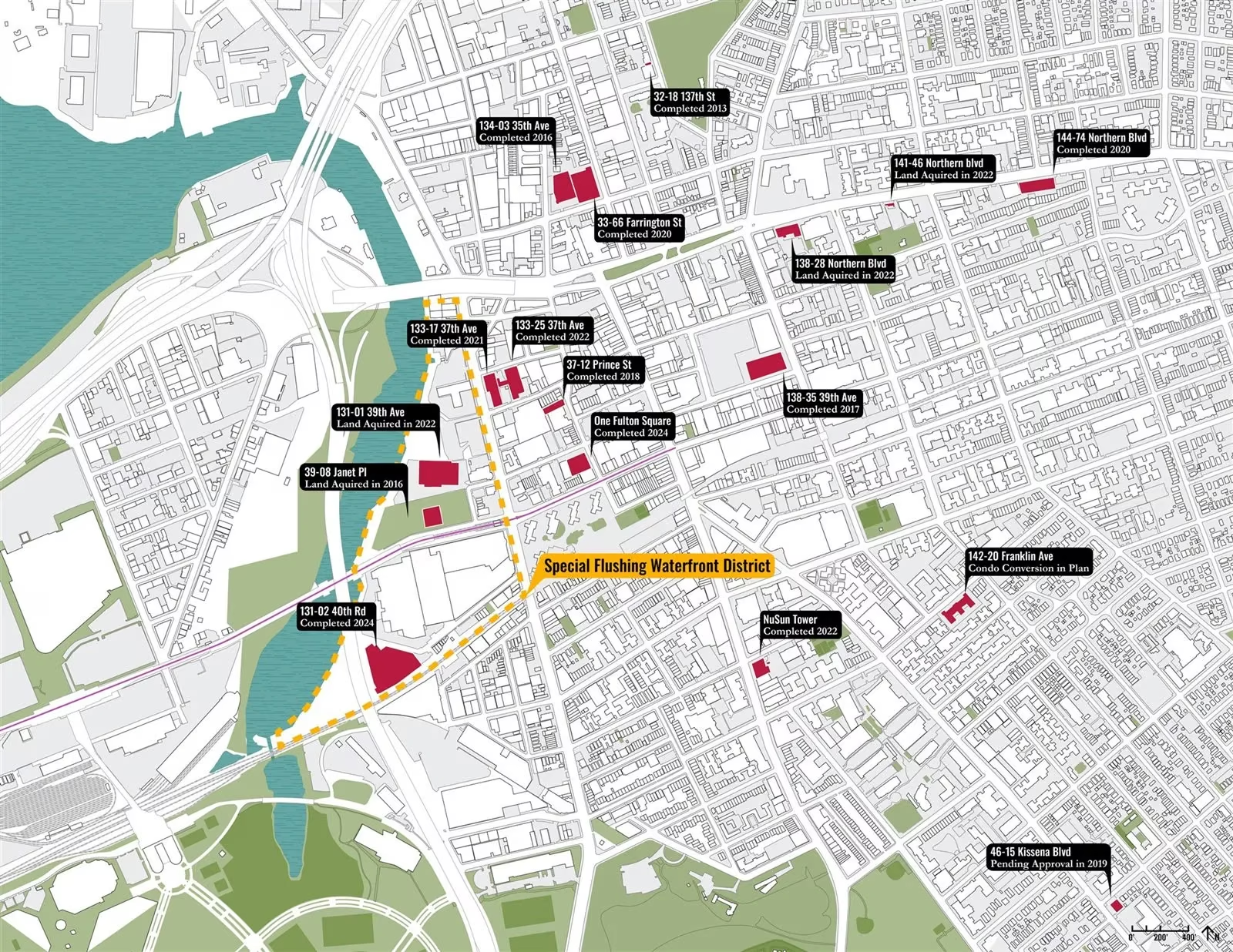
Map of recent development parcels and the Special Flushing Waterfront District
One

Positionality

Two

Go to hard places

Three

Collaboration

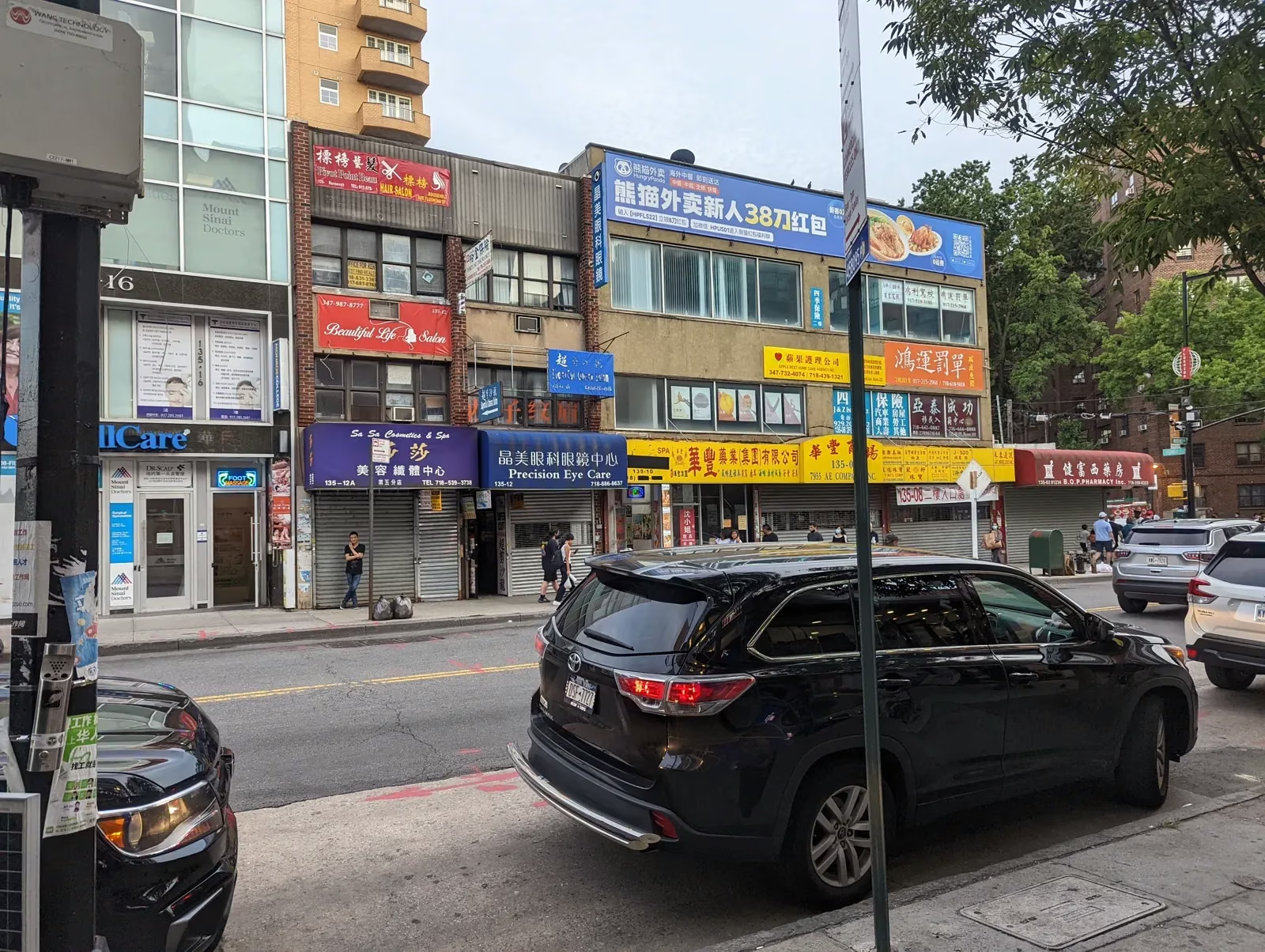
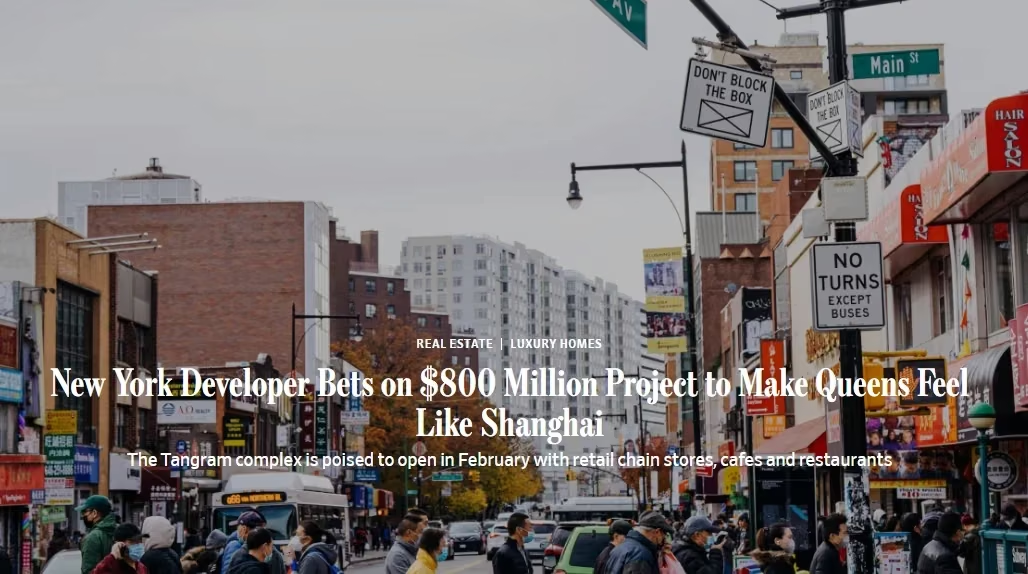
Main Street, Flushing, with Chinese-language storefront signage
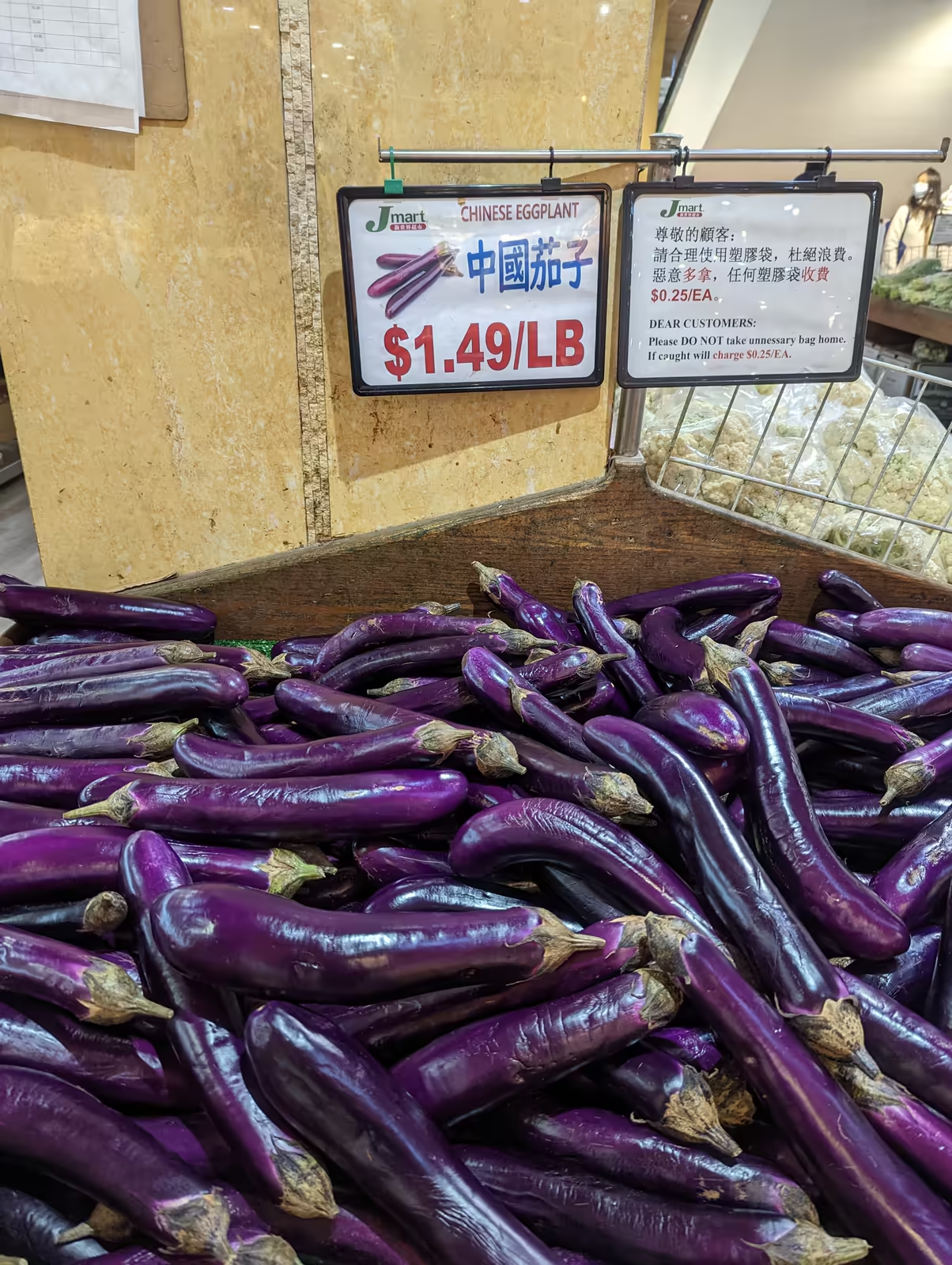
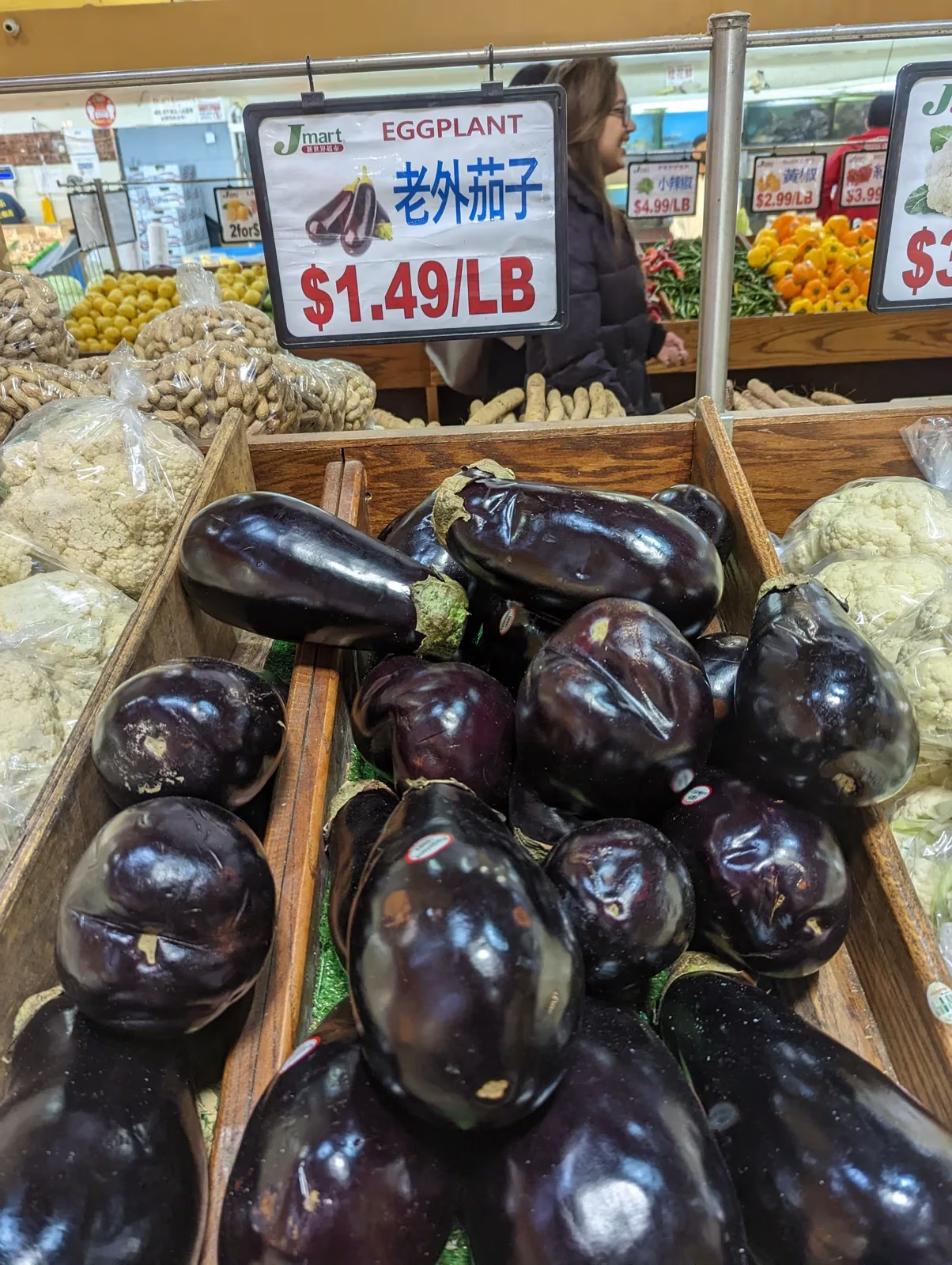
Chinese-language produce signage in a Flushing market
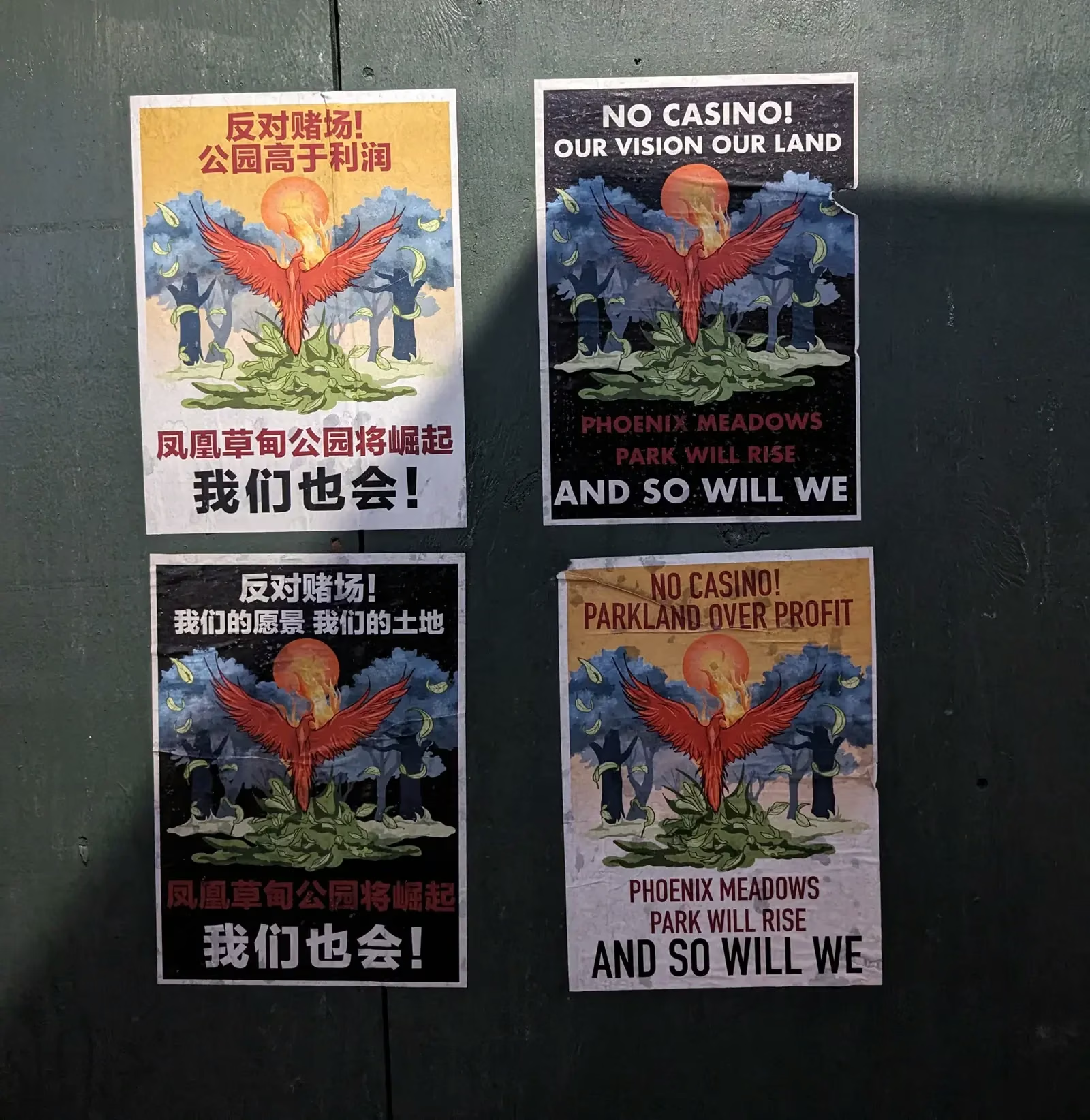
Bilingual NO CASINO posters on a wall in Flushing
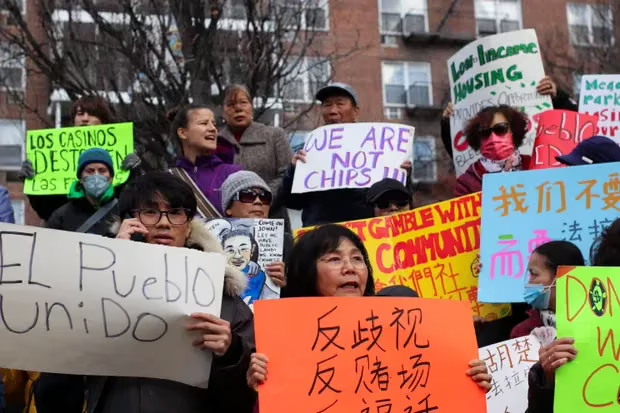
Residents protesting the Metropolitan Park casino with signs in Spanish, Chinese and English
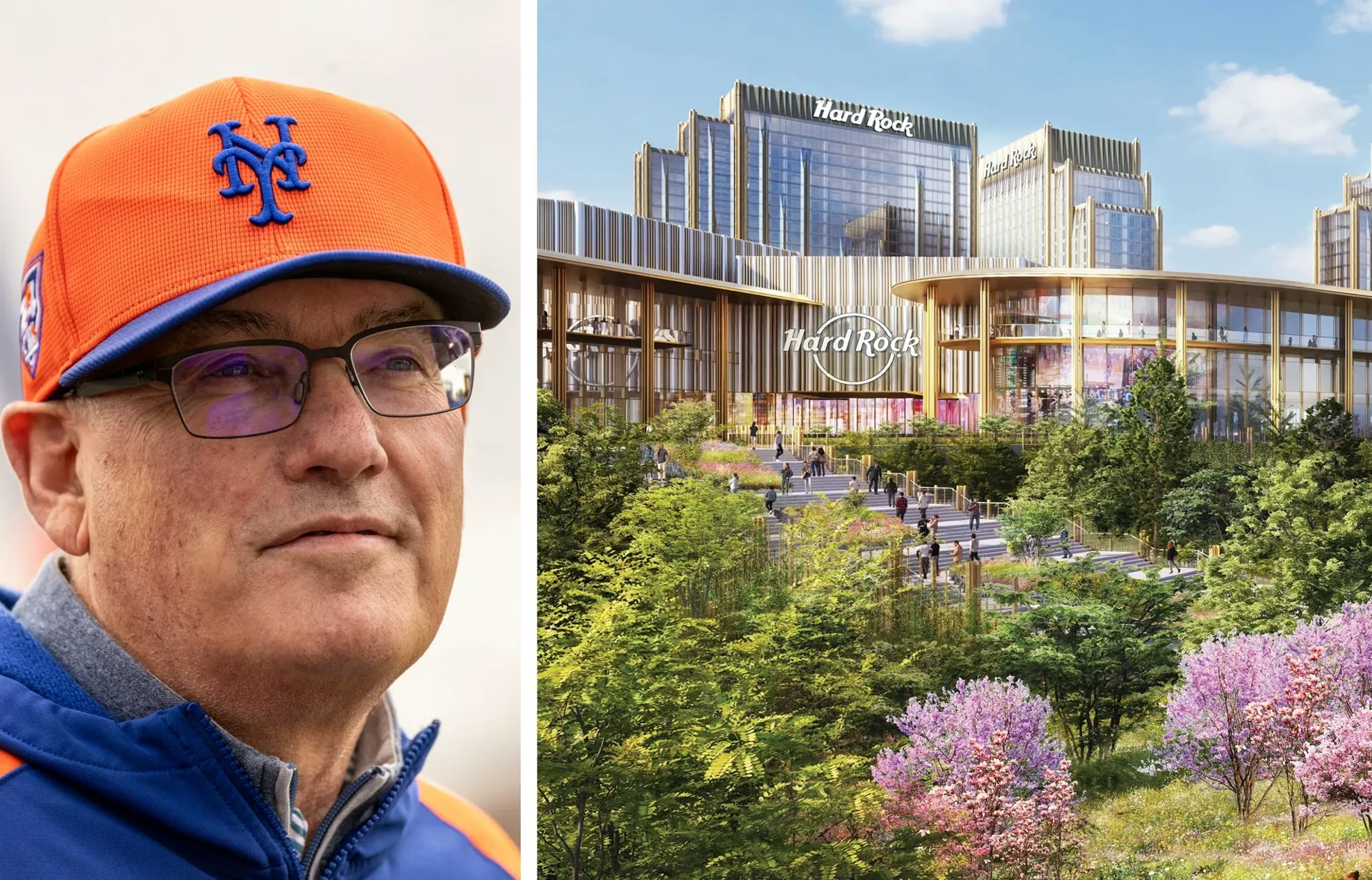
Rendering of the proposed Metropolitan Park casino complex beside Citi Field
One

Positionality

Two

Go to hard places

Three

Collaboration

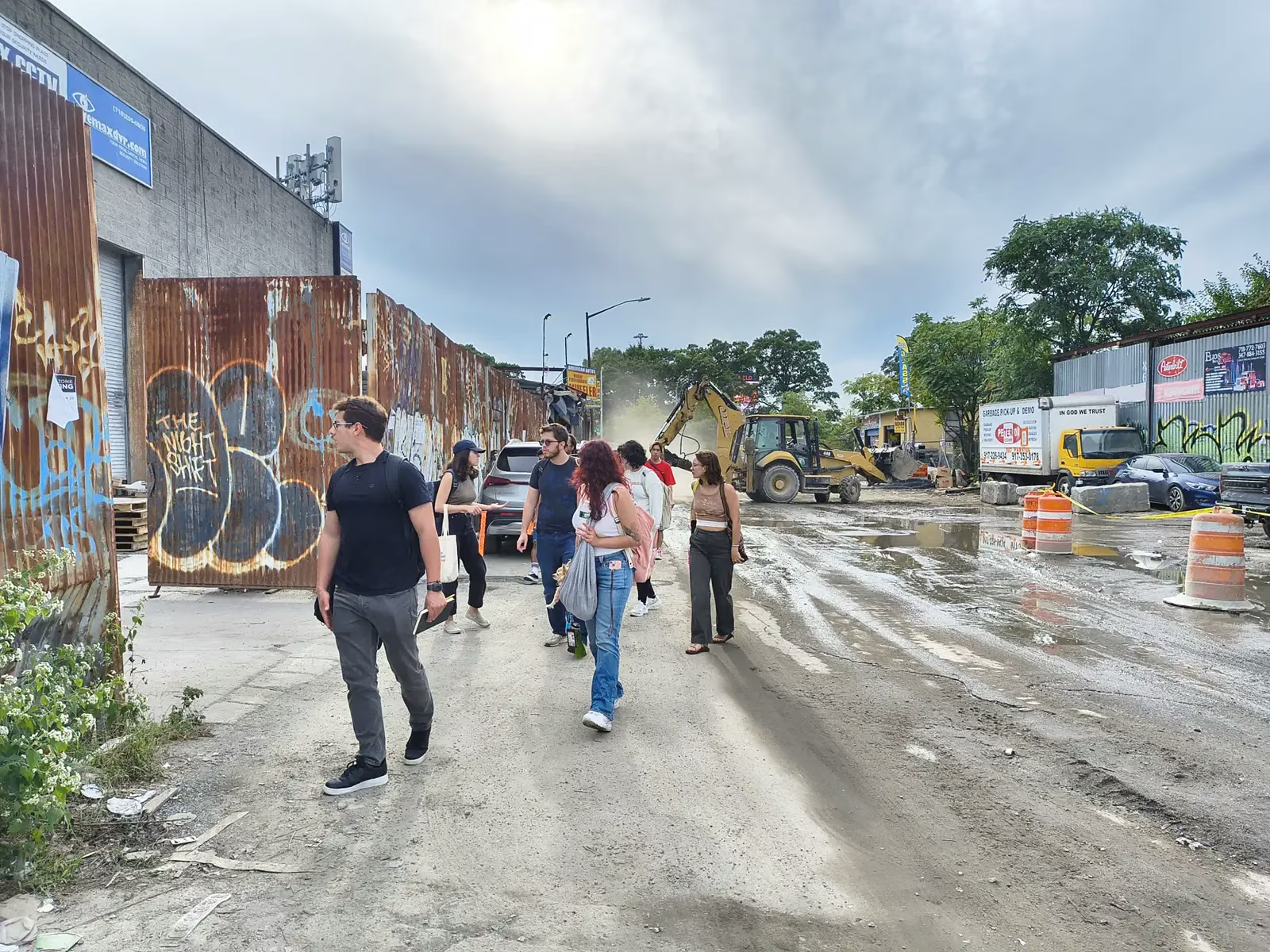
Students walking through the Willets Point auto-body district
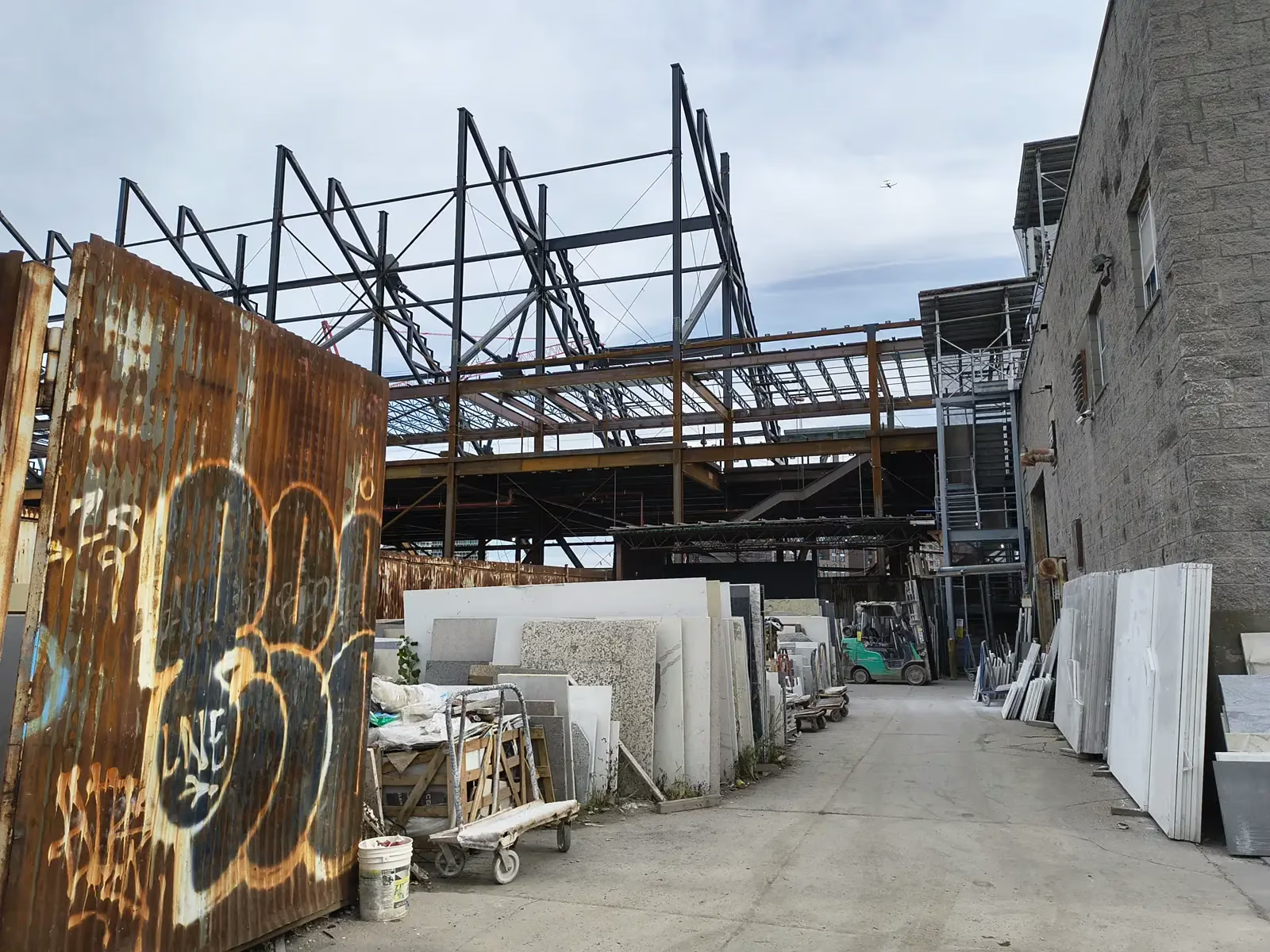
Salvage yard structures and fencing at Willets Point
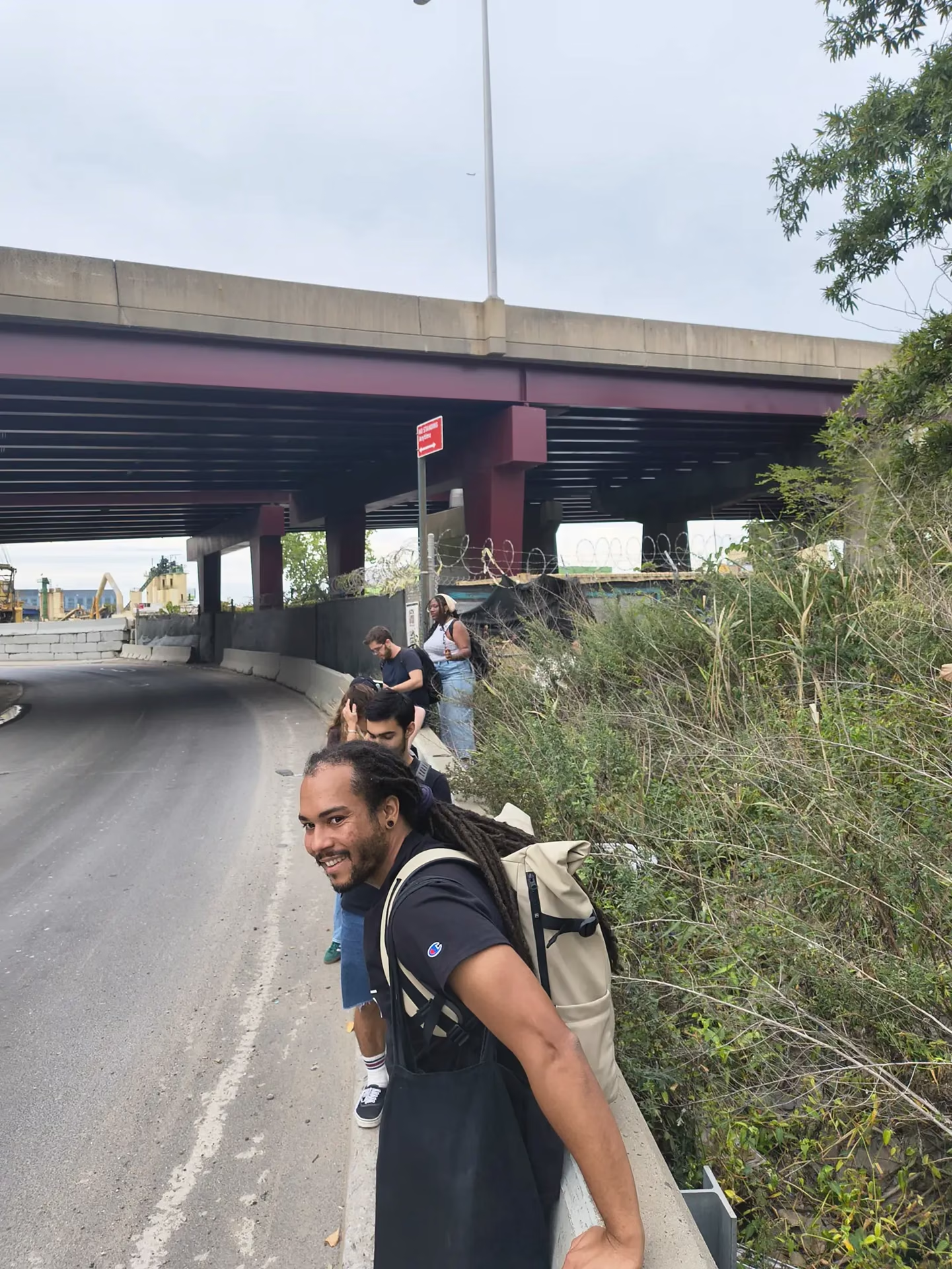
Students walking along the Van Wyck Expressway
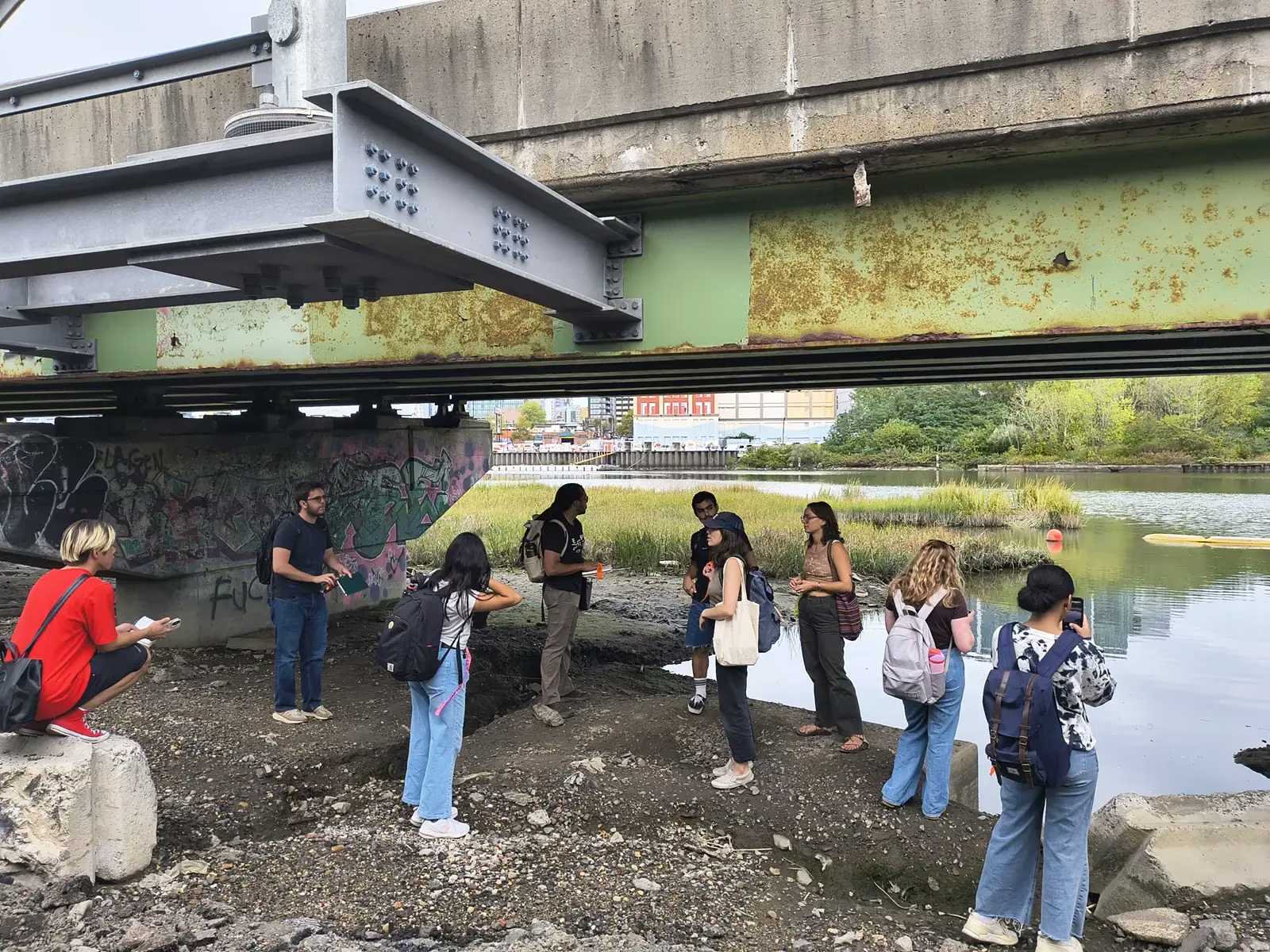
Students listening to Cody Herrmann at the water's edge under the highway
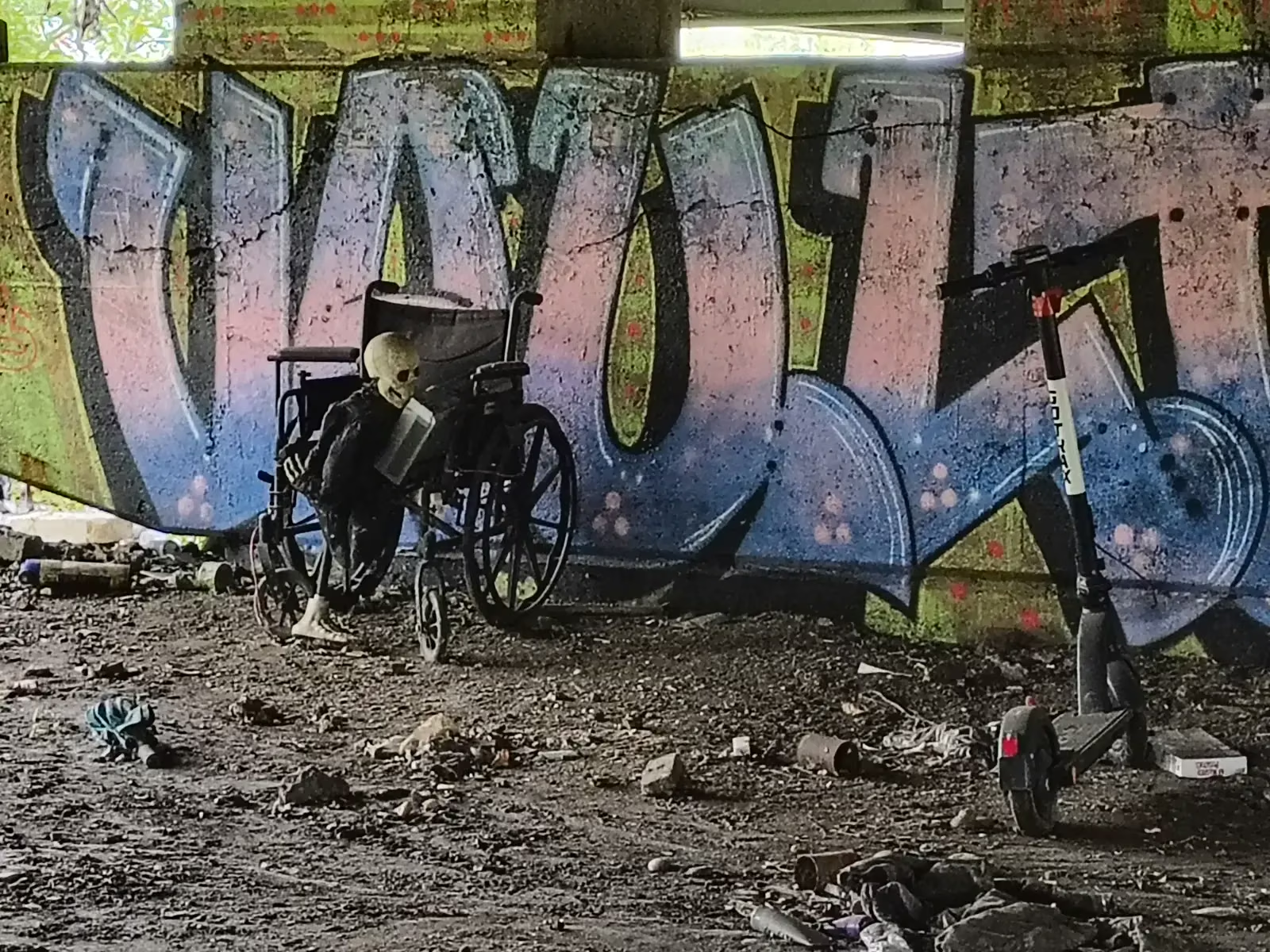
Debris and a wheelchair under the expressway
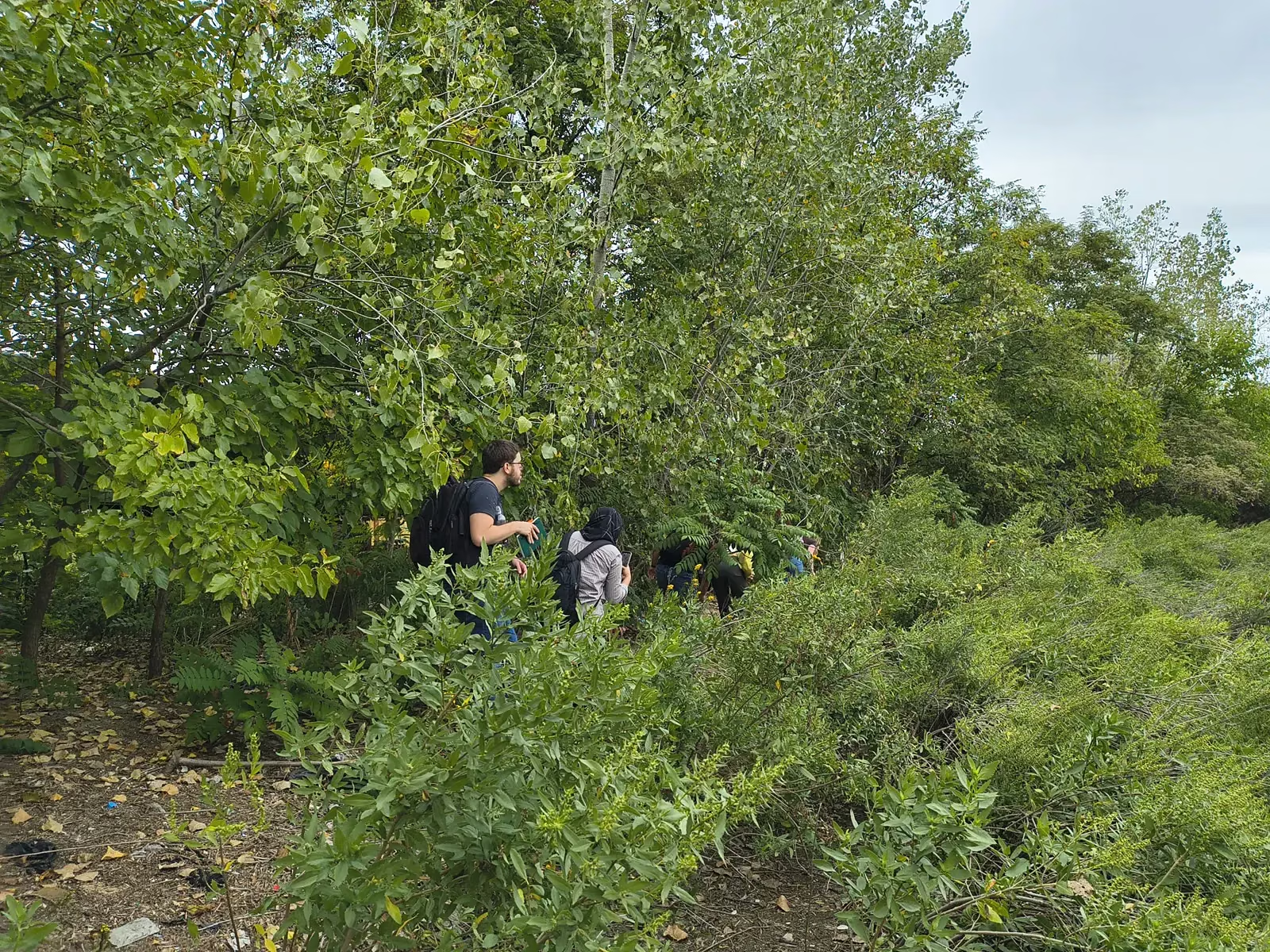
Students pushing through marsh thicket
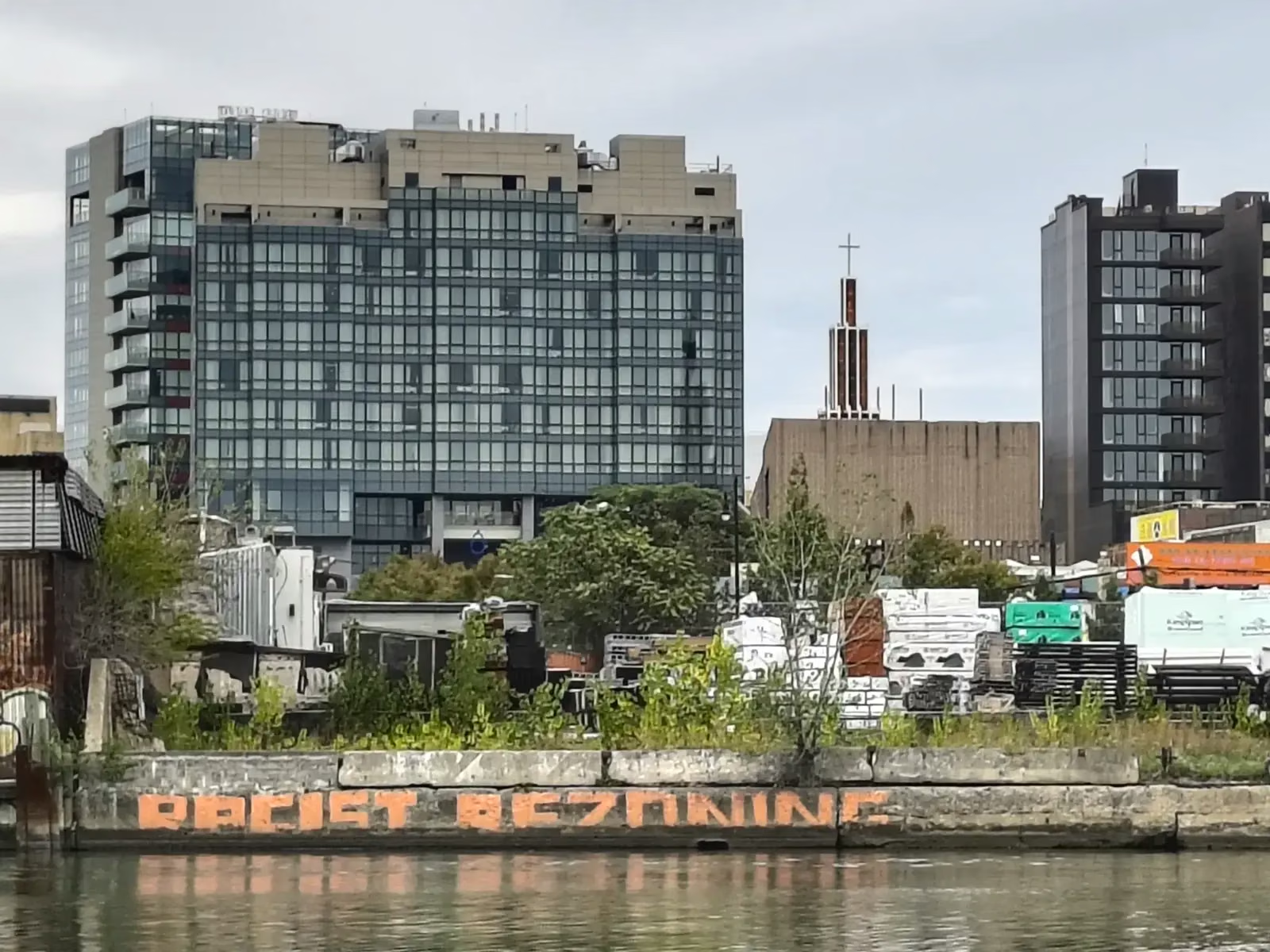
Graffiti reading Racist Rezoning across Flushing Creek
Horseshoe crab shell on the mudflat
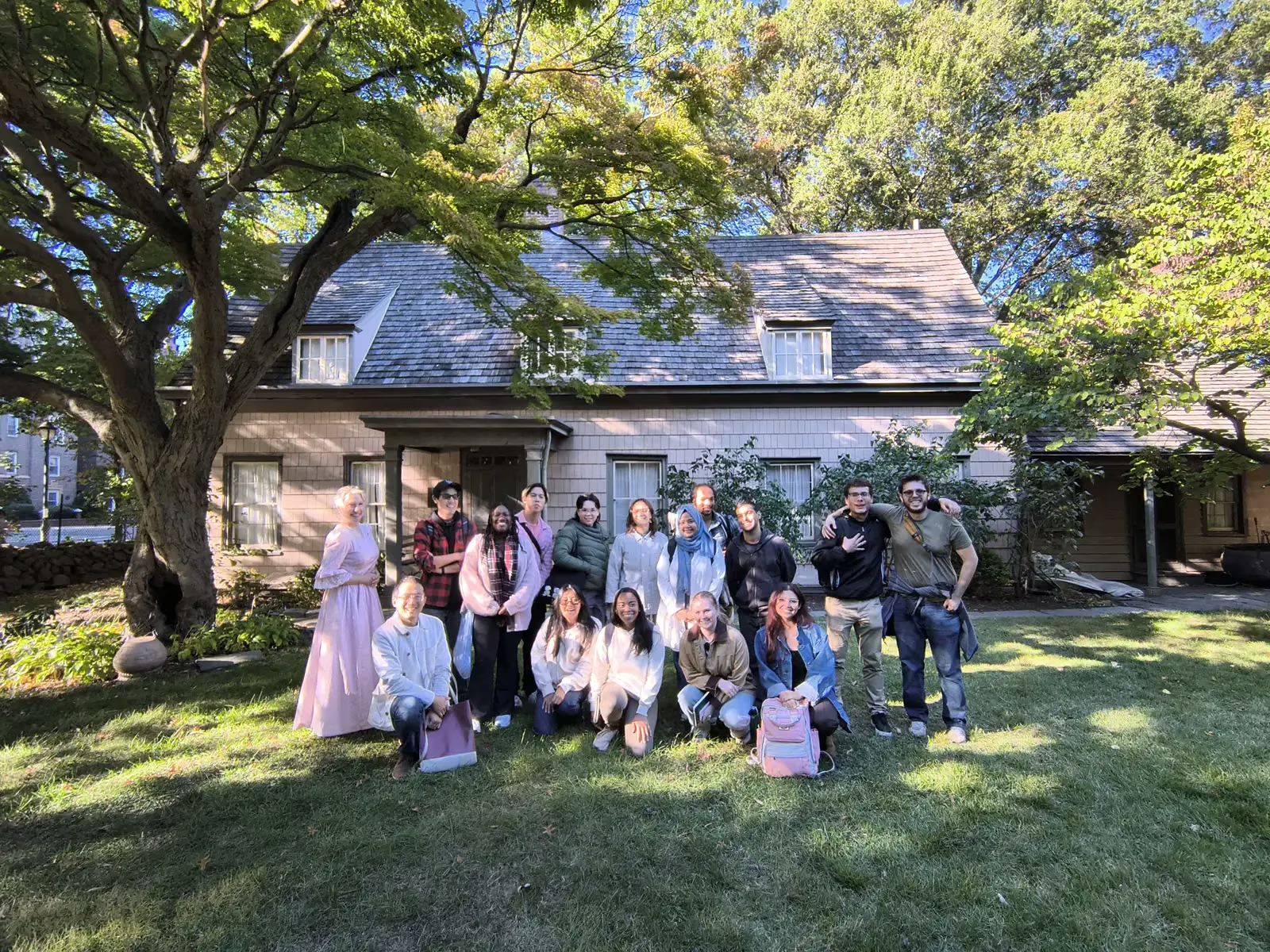
The class gathered on the lawn at the Bowne House
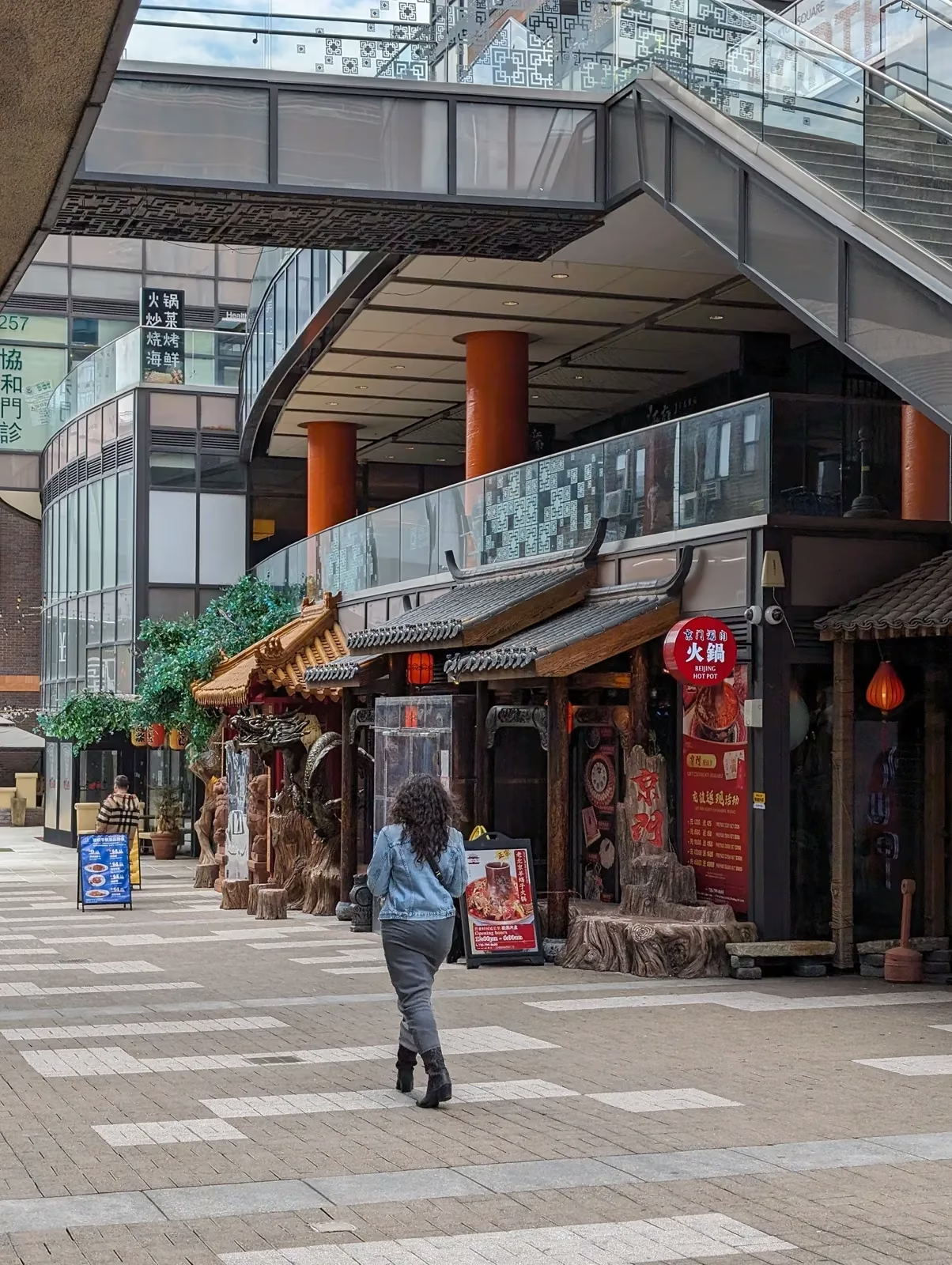
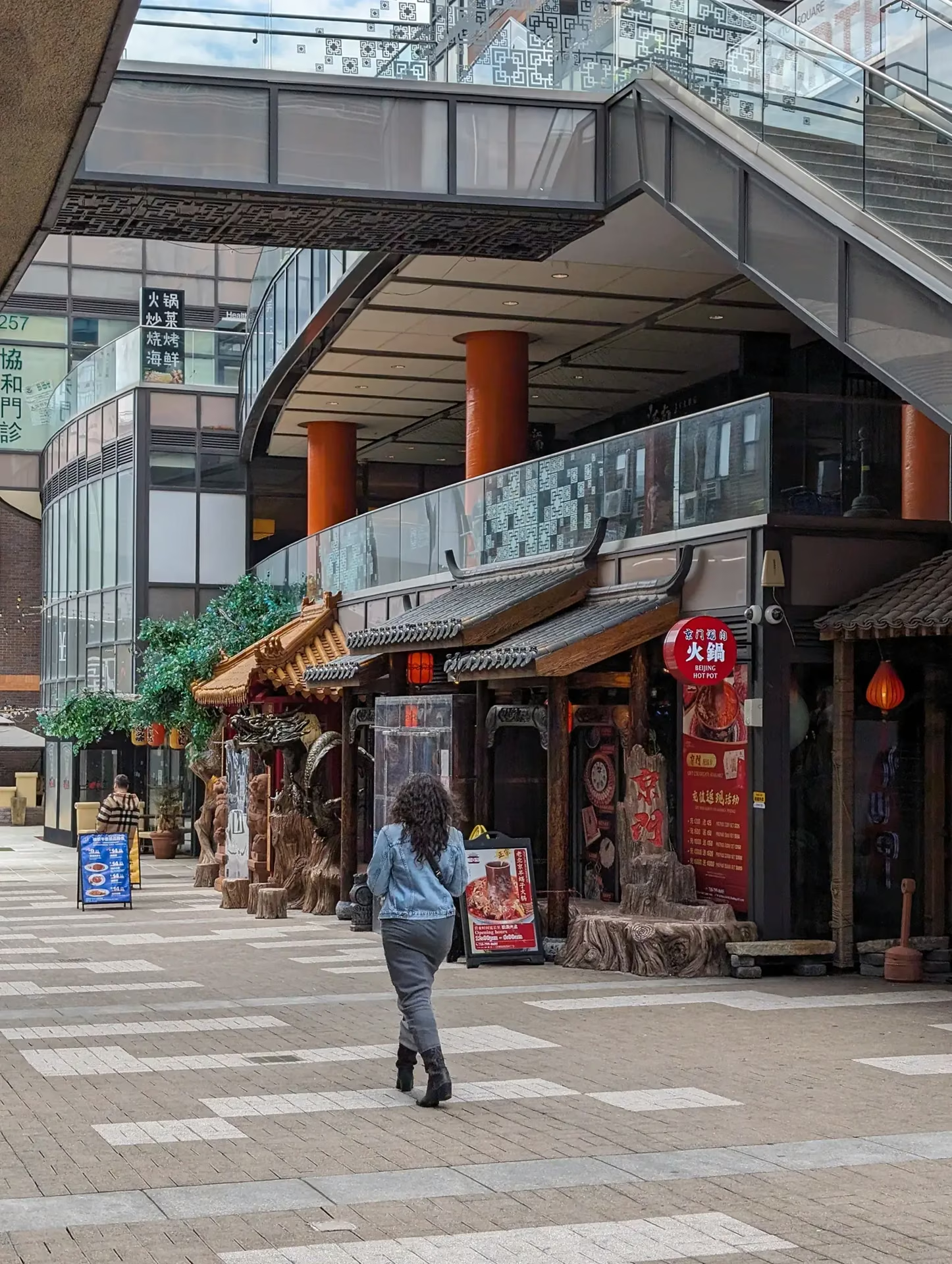
Street-level arcade at Tangram, Flushing
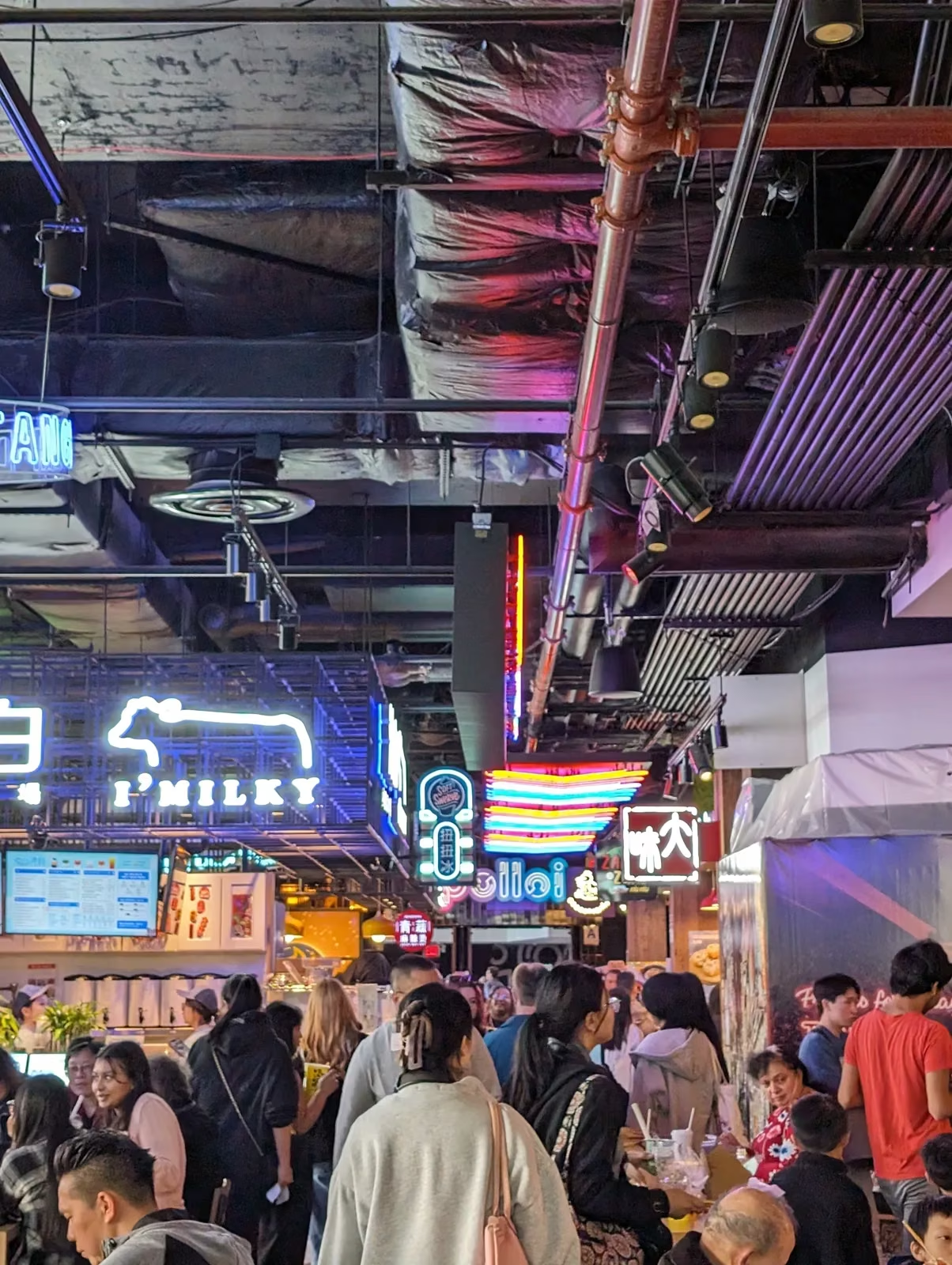
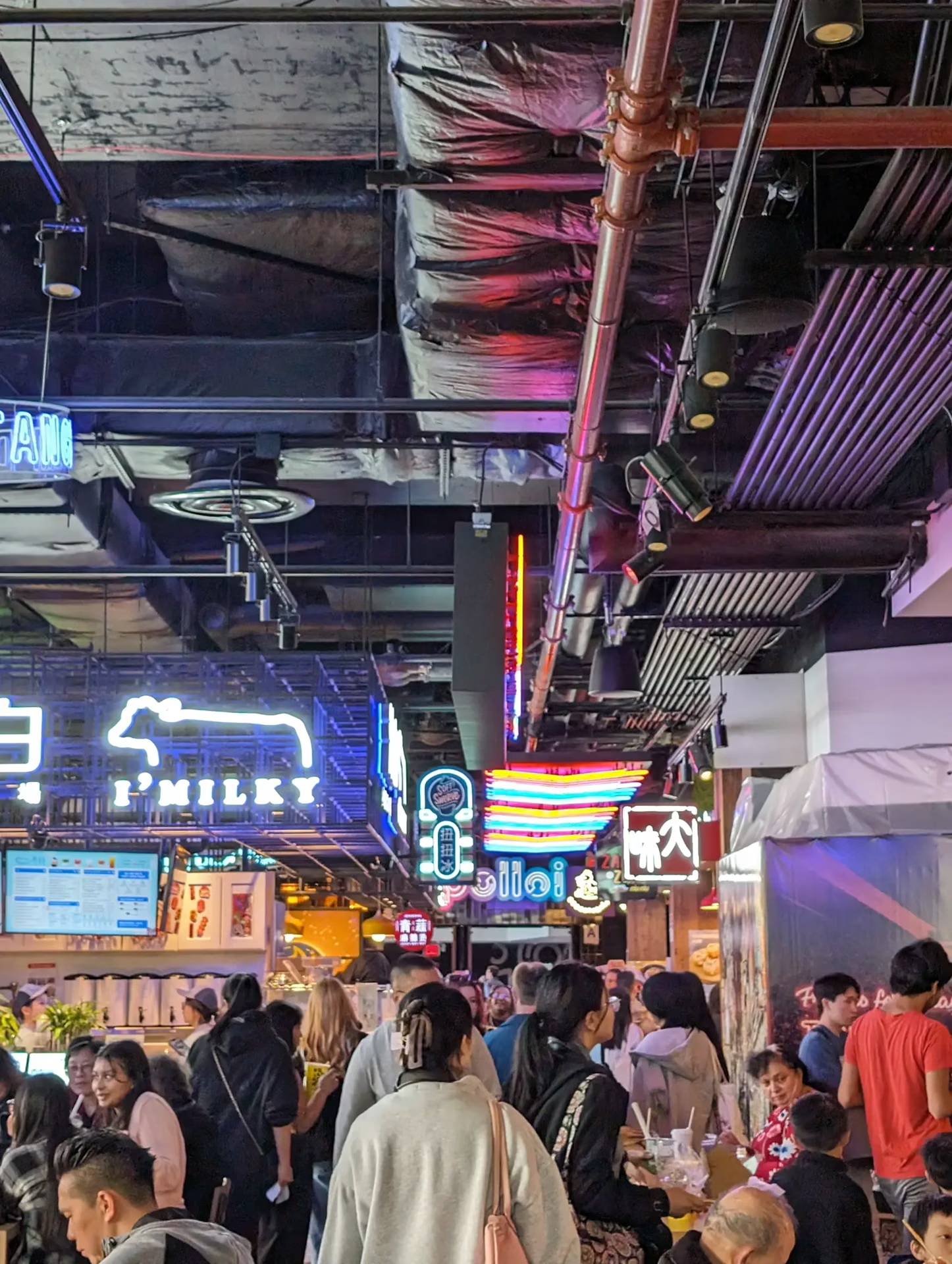
Neon-lit food court interior at Tangram
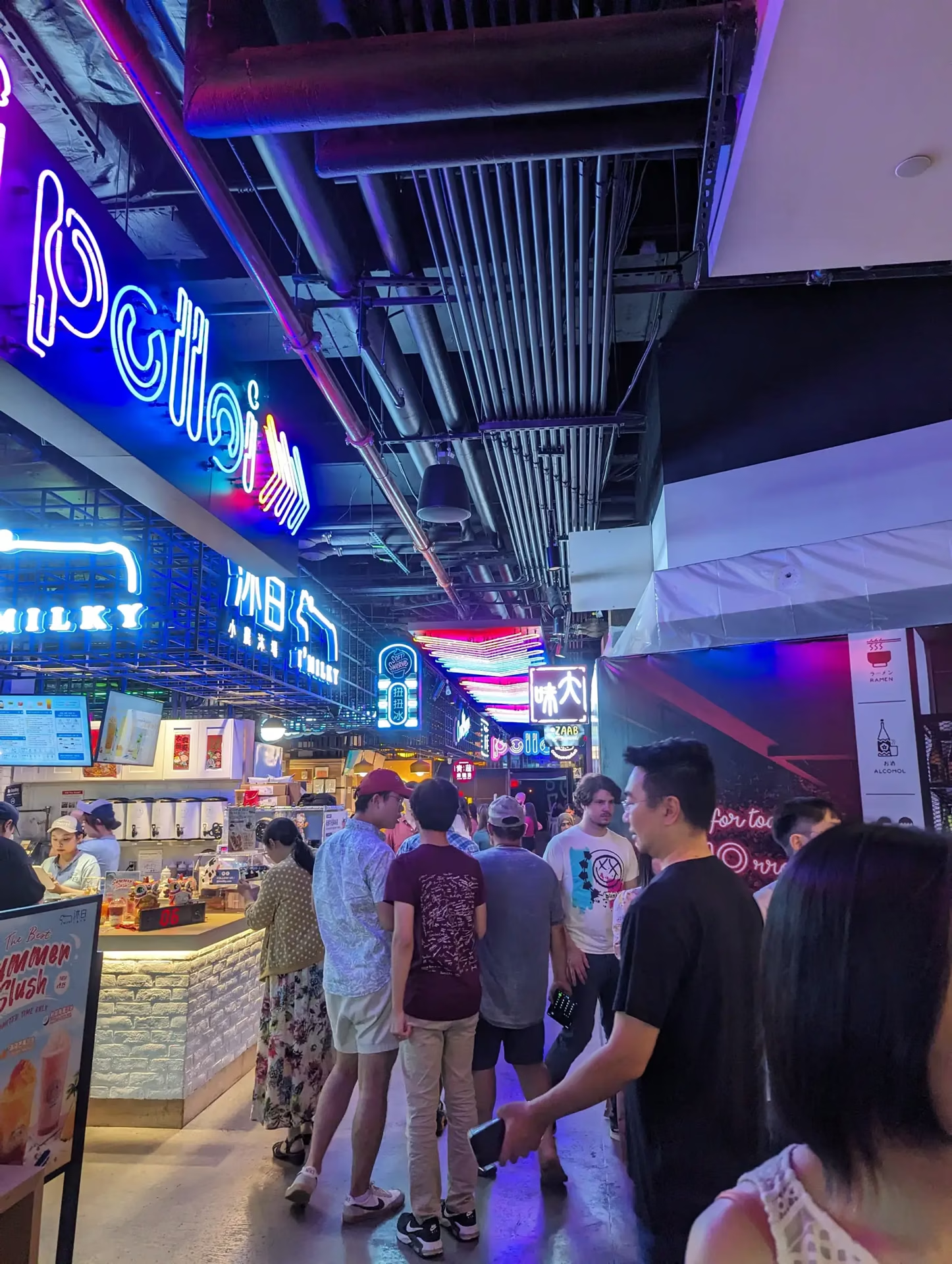
Food stalls and crowds at Tangram
One

Positionality

Two

Go to hard places

Three

Collaboration

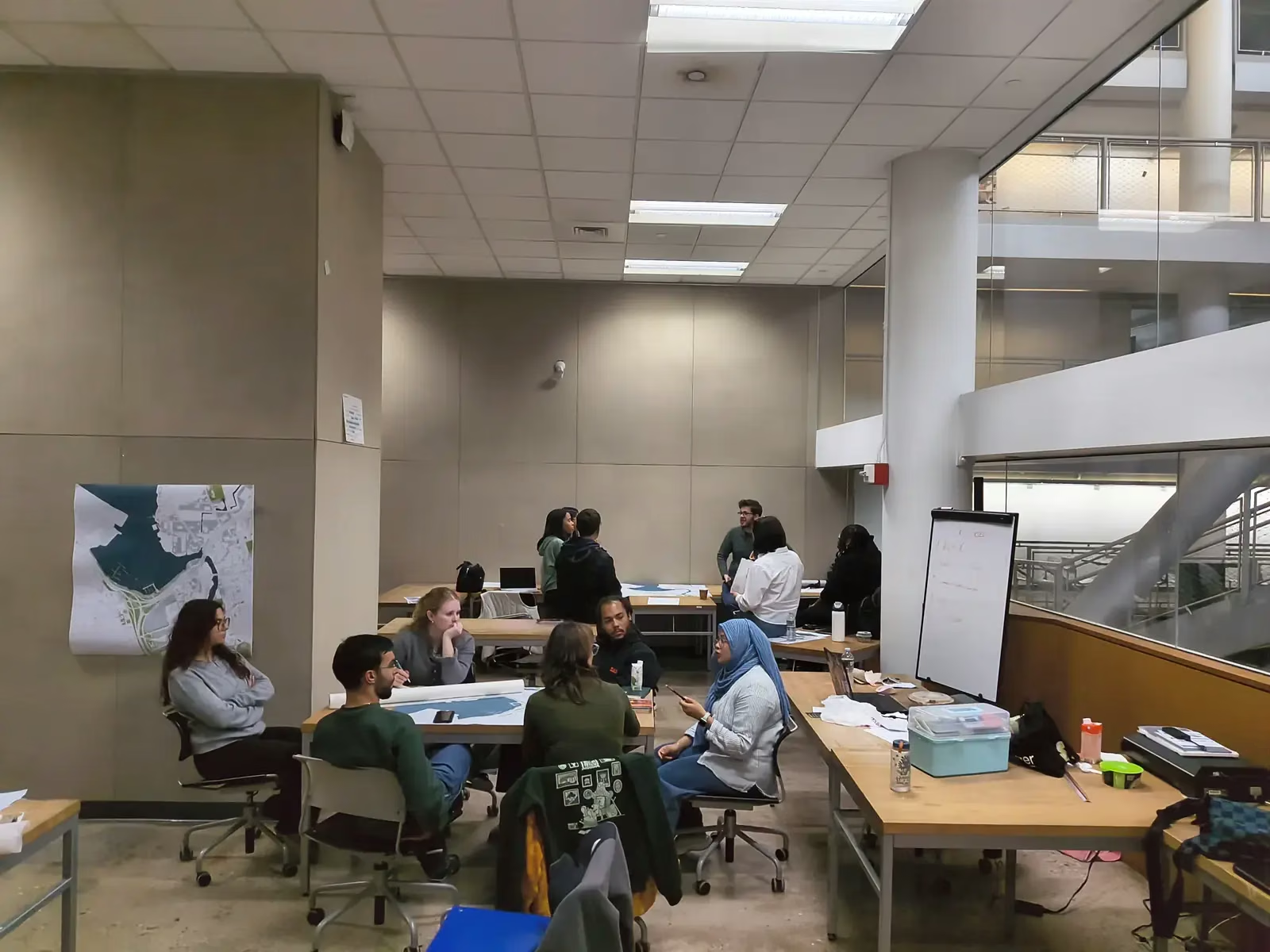
Planning session with maps and boards on the wall
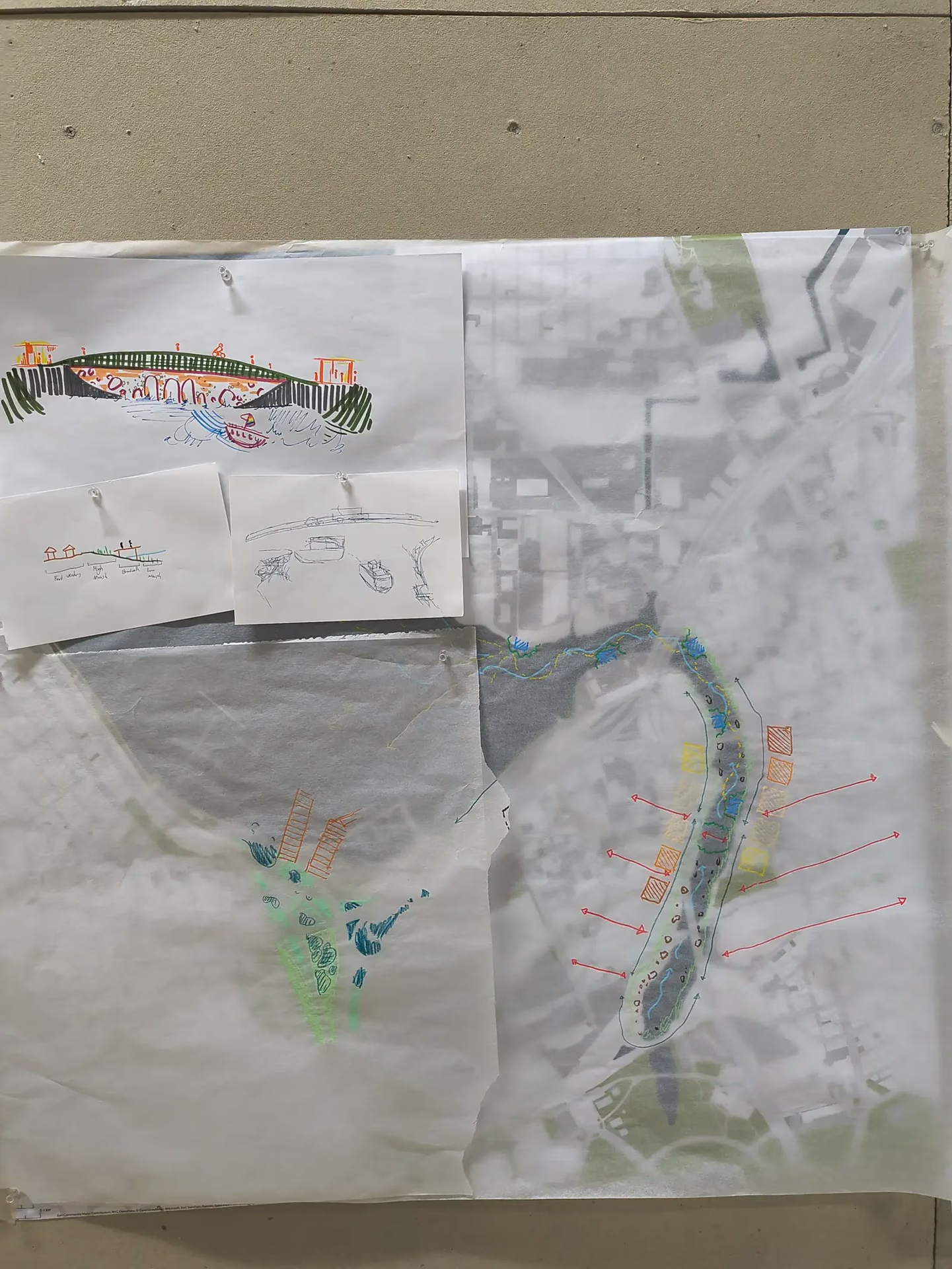
Hand-drawn collective framework map of Flushing Bay
One framework, divergent projects
Student work · Fall 2025
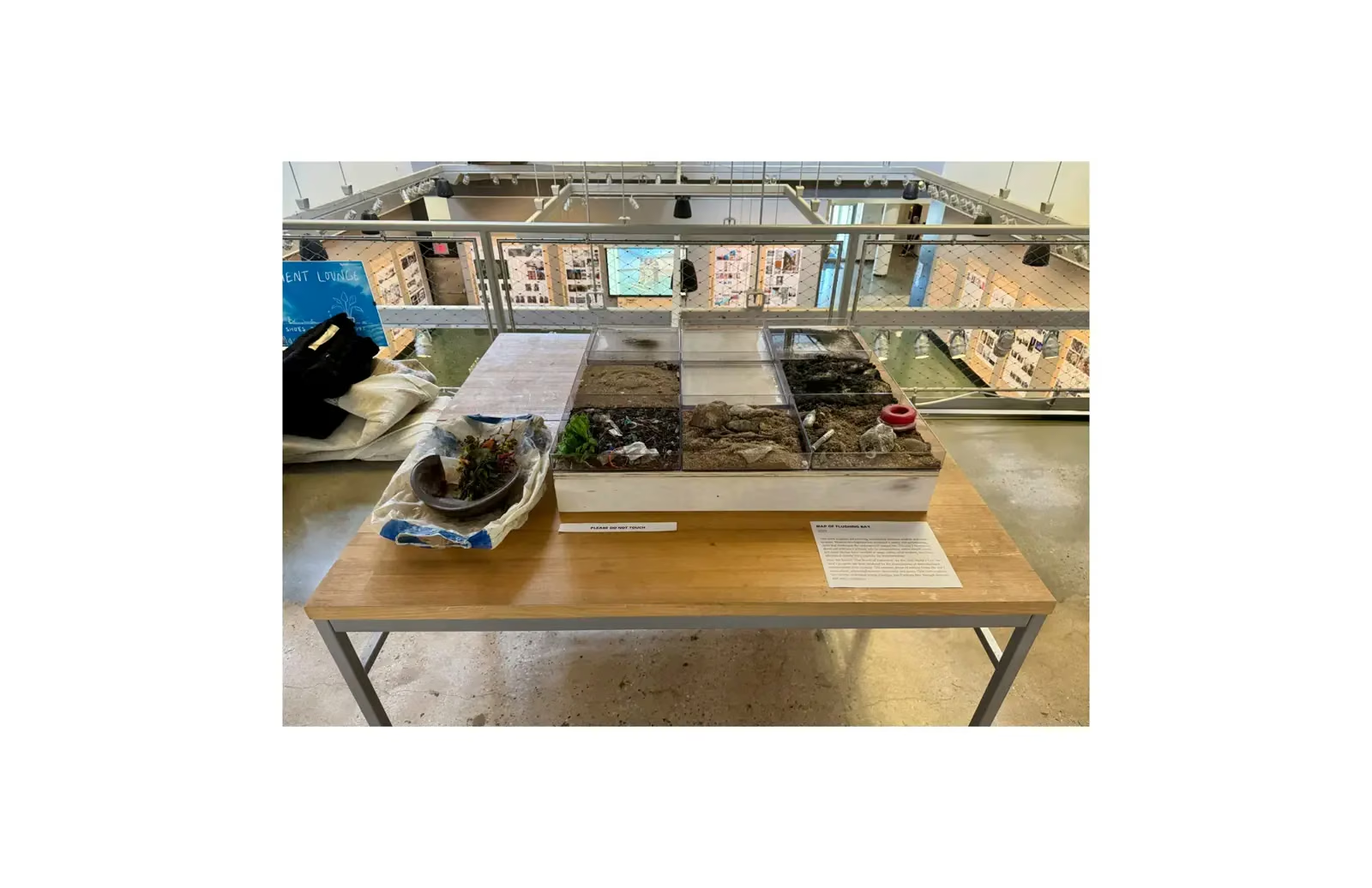
Specimen table of collected Flushing Bay ground material
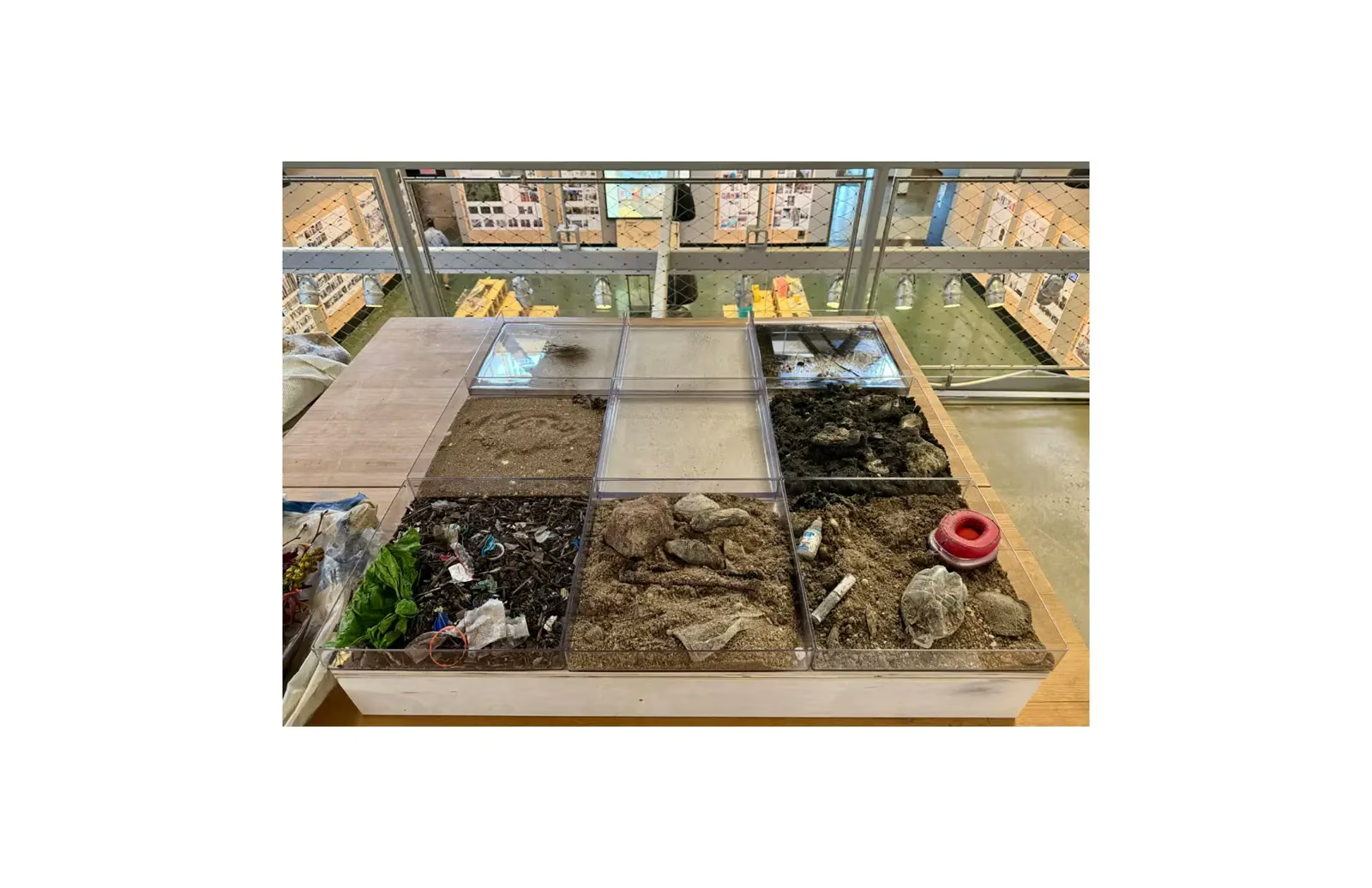
Detail of the specimen trays
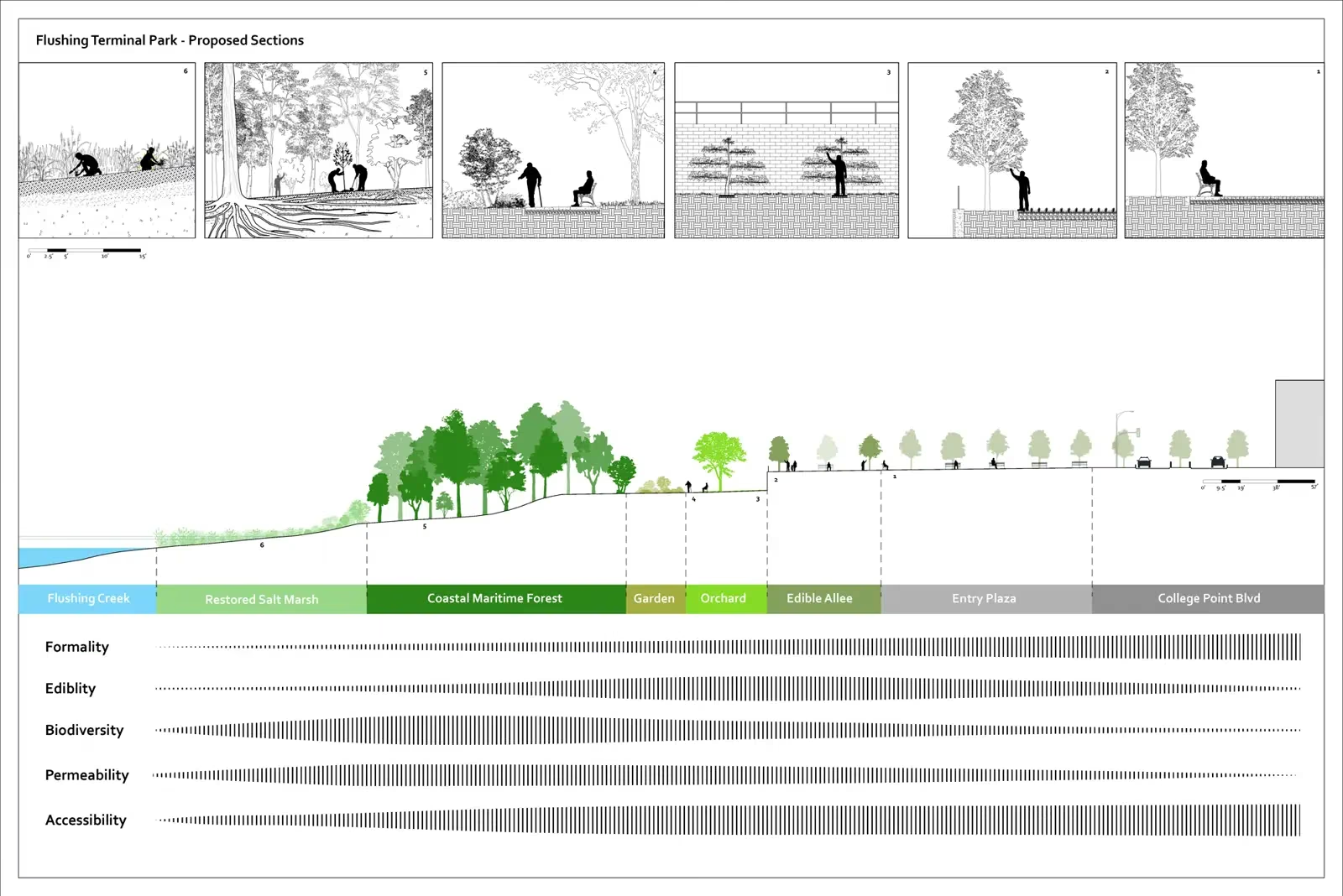
Sabastian Gatton, proposed sections and matrix
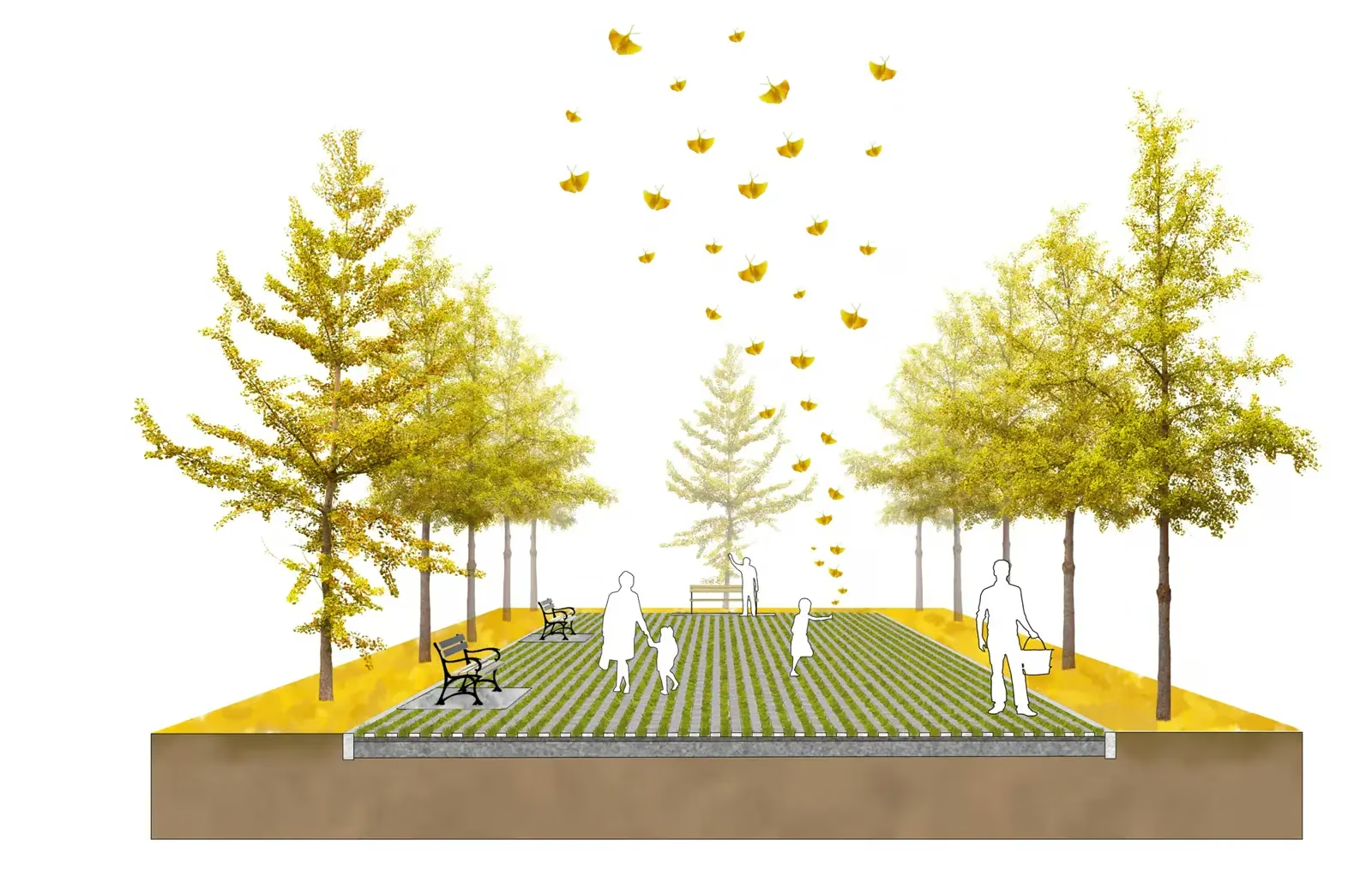
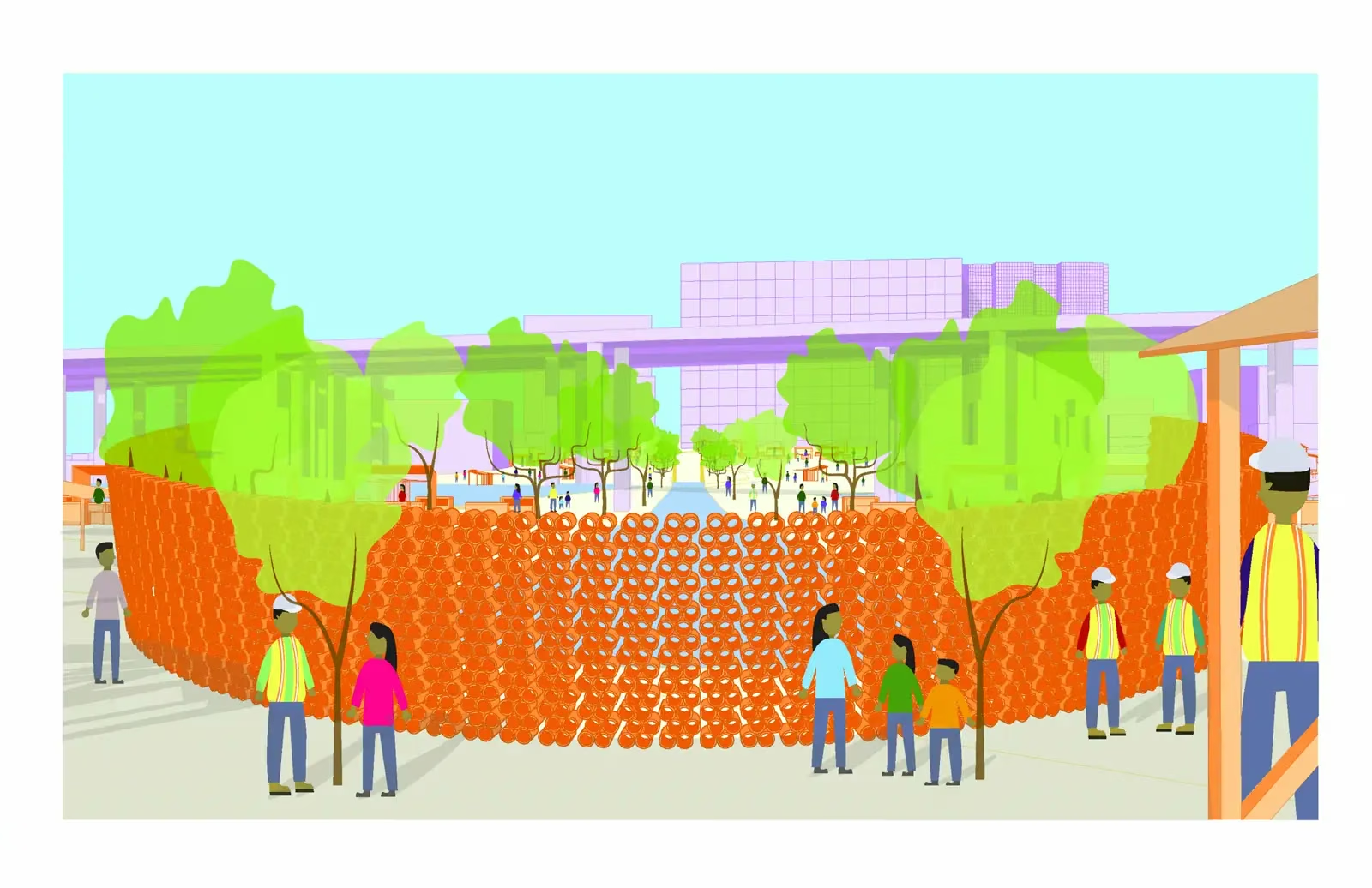
Sabastian Gatton, experiential drawing of a planted allée
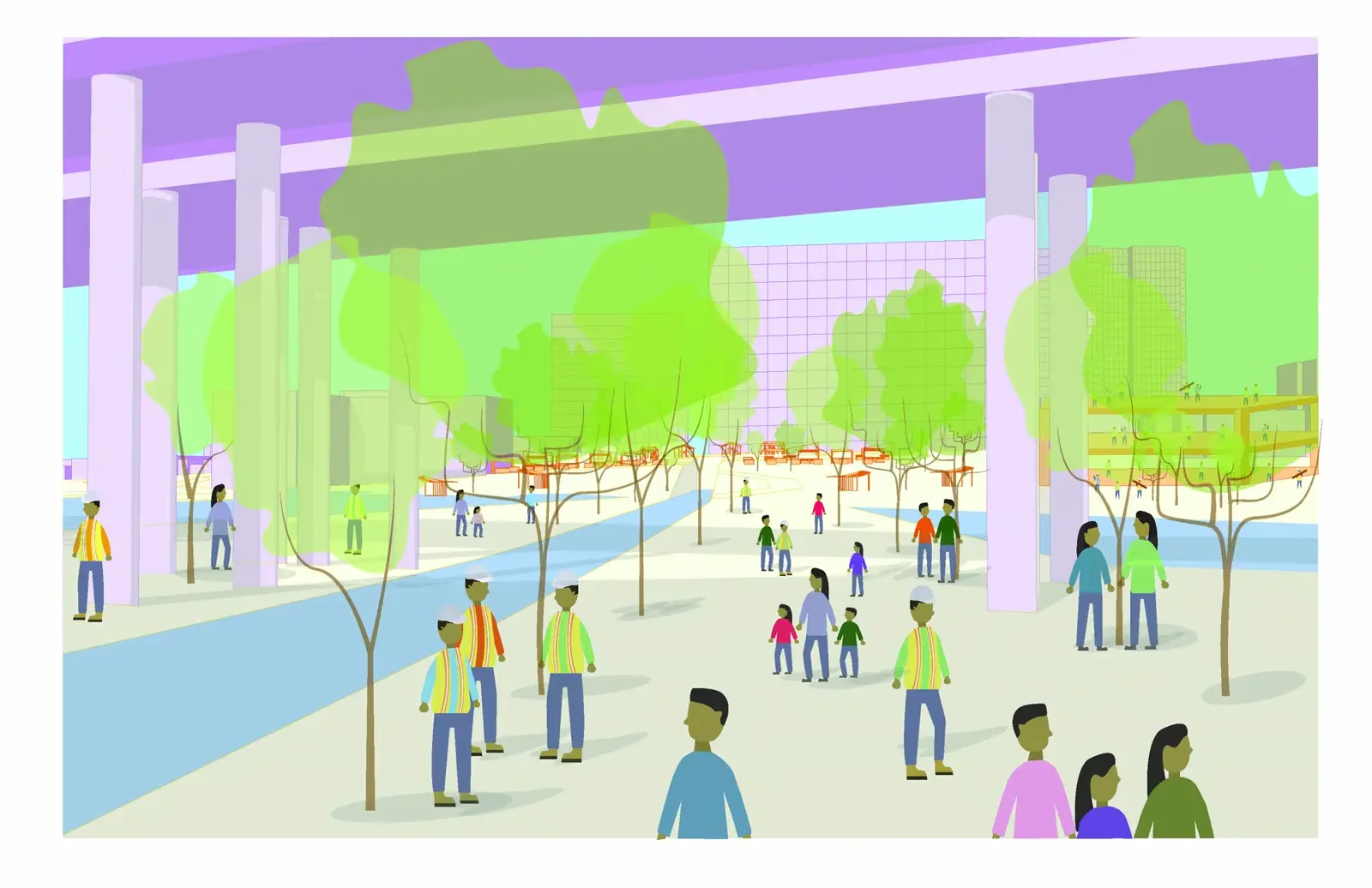
Lia Santana, experiential drawing with structures and canopy
Lia Santana, experiential drawing of a public ground
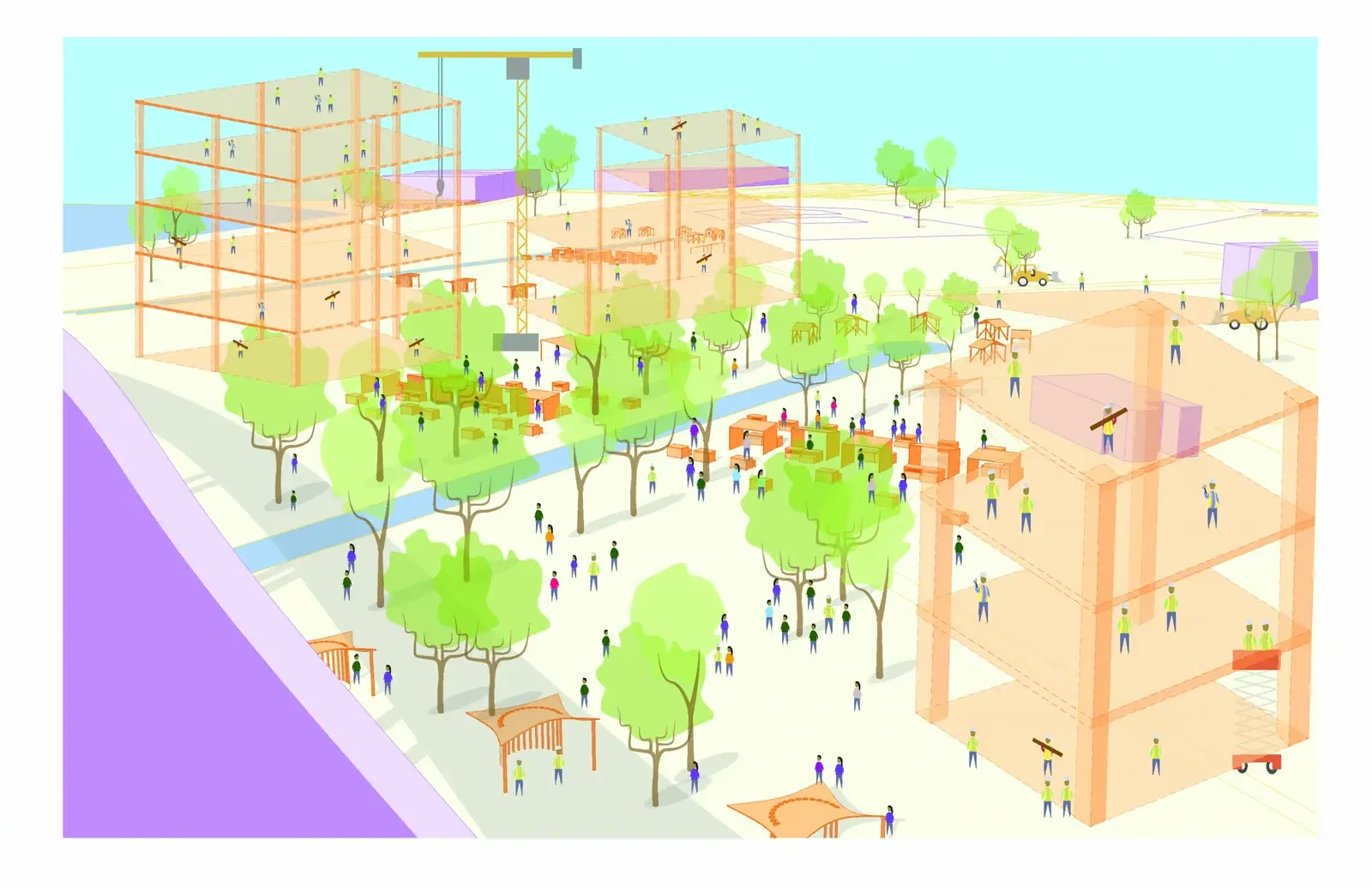
Lia Santana, timber scaffold structure at the water's edge
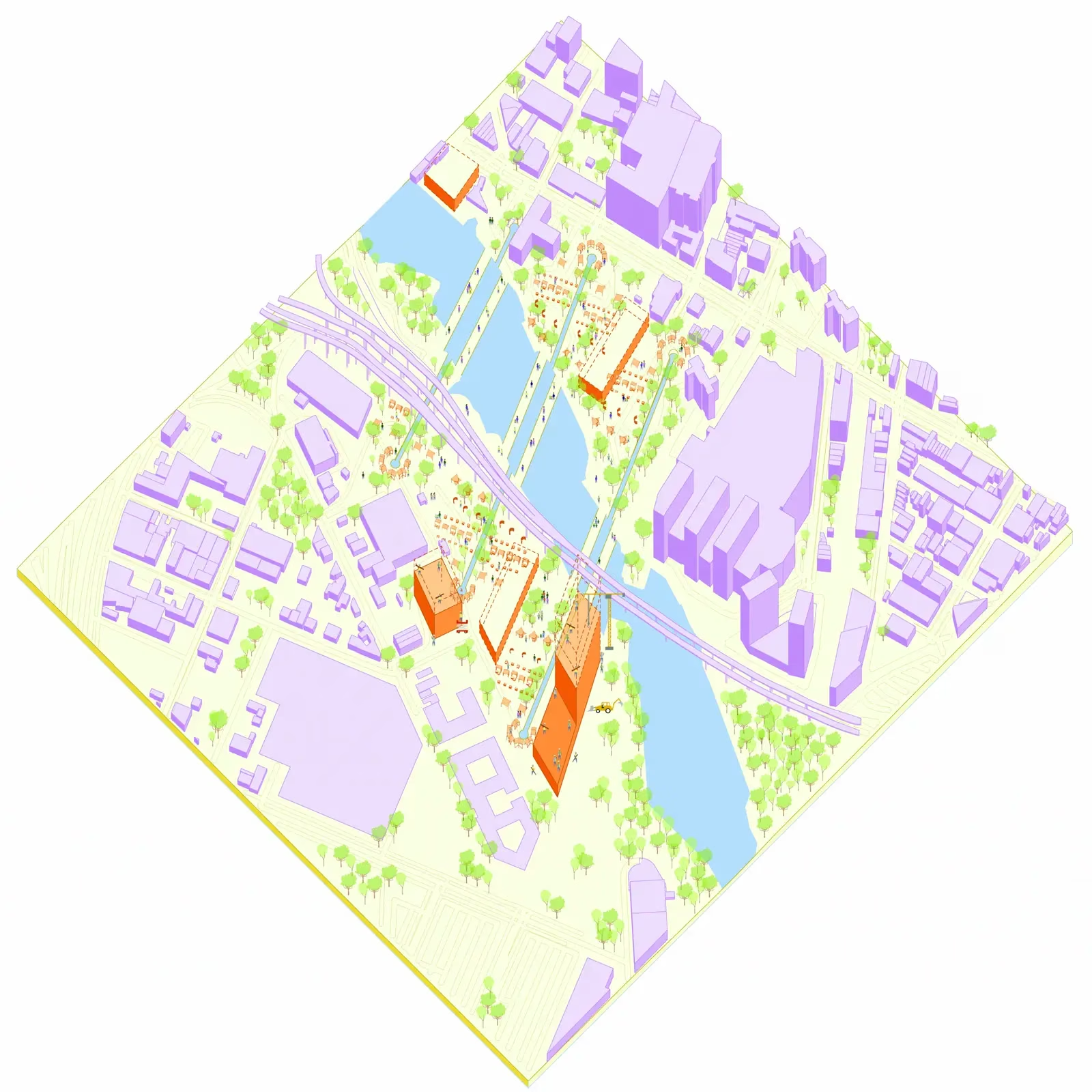
Lia Santana, rotated site plan
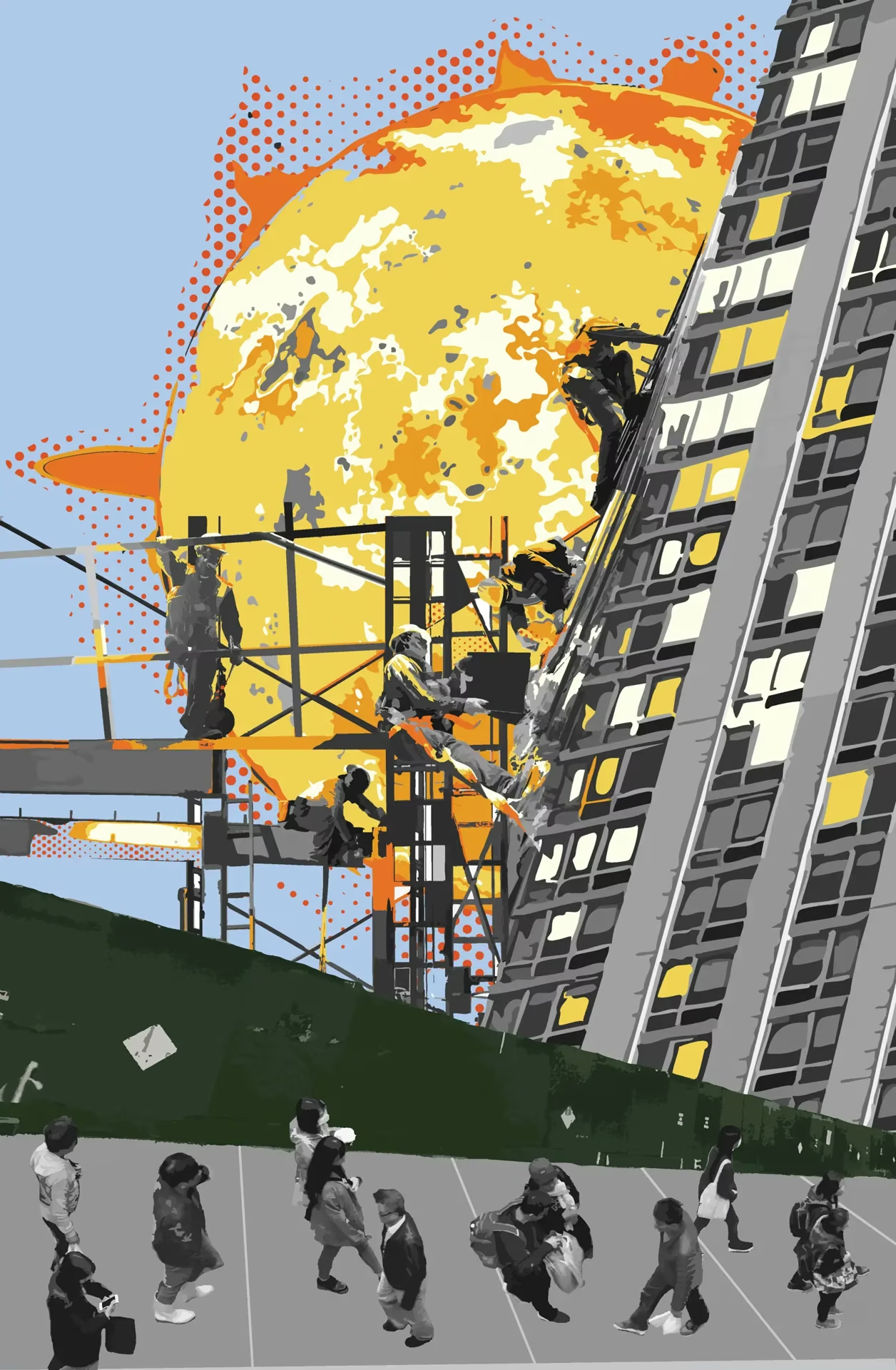
Lia Santana, vertical study
/ 20

Scripting Flushing Bay

August 5, 2026 · Conference Panel

Venue
  • Built Environment Deans Advancing Change, Cohort 5 — panel on teaching in 2026
  • City College of New York, Spitzer School of Architecture
Studio
  • LAAR 63100 / ARCH 51000, Advanced Studio — Fall 2025
Student Work
  • William Moffett
  • Sabastian Gatton
  • Lia Santana

A fifteen-minute opening statement for a panel on teaching in 2026, drawn from a joint graduate landscape architecture and advanced undergraduate architecture studio taught at a public, majority-minority college. Three points, each argued from the studio rather than from principle.

Positionality. The usual arrangement in a community-engaged studio is an outsider instructor and insider students. This one inverted it: I research Flushing as Chinese diasporic urbanism, on an Architectural League of New York grant, and most of the class did not know the neighborhood. I never told the students my immigration story—it operated as backdrop rather than narration. That is legibility, not disclosure, and it cuts both ways: the bilingual anti-casino posters are pitched to two audiences with different stakes, which is legible to me and was not to the class.

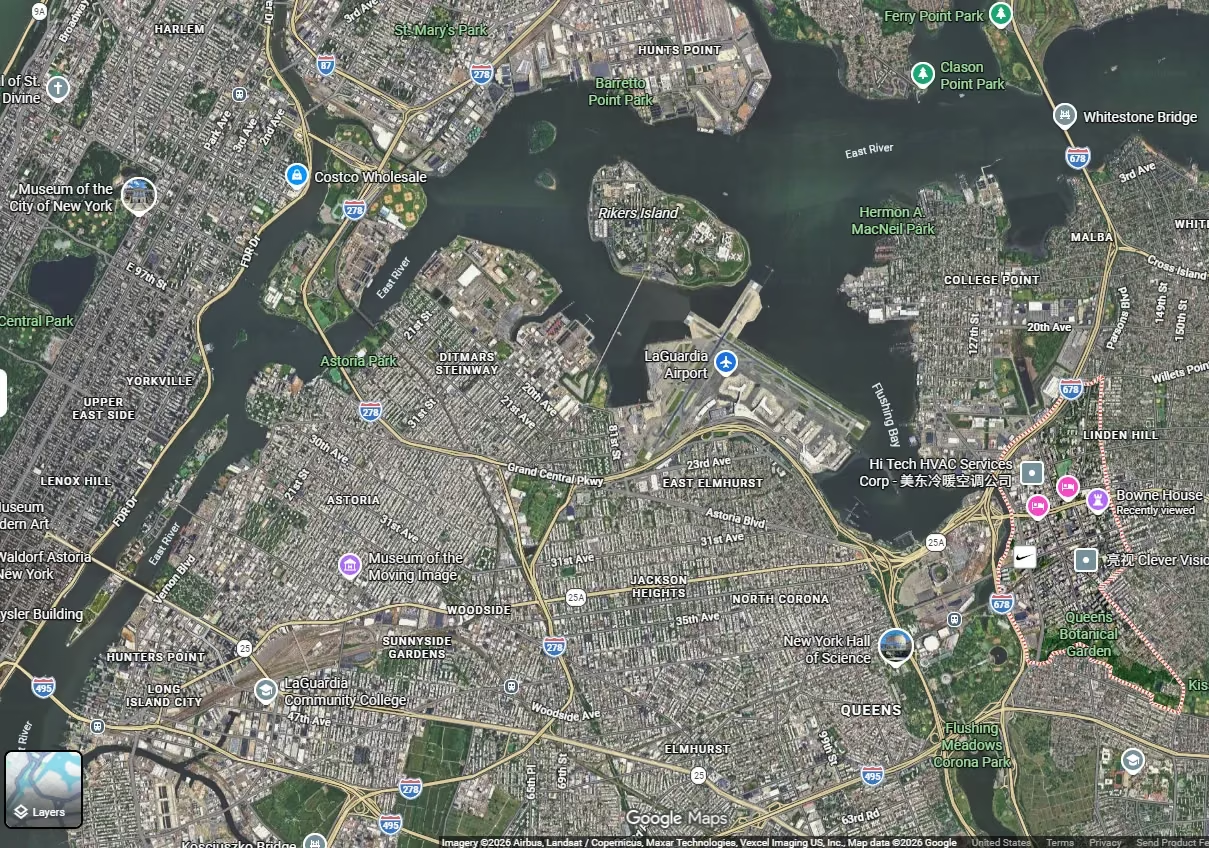
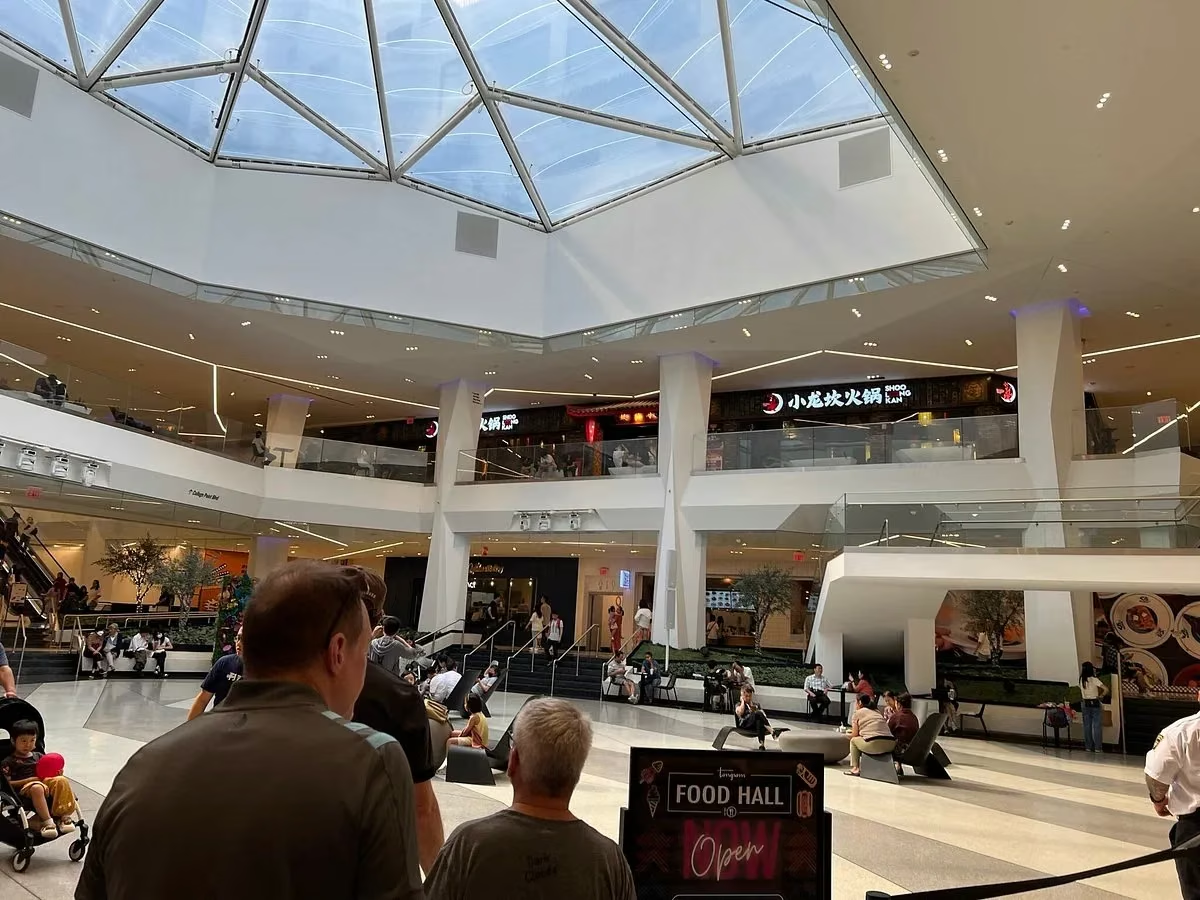
Go to hard places. Site selection is where equity quietly fails. Easy sites are documented, photogenic, walkable and already designed, and they return the generic answer. Two walks made the argument: Flushing Bay with Cody Herrmann, through the Willets Point auto-body district to a water’s edge reachable only by proximity earned over years—and downtown Flushing from the Bowne House of 1661 to the neon food courts of Tangram. One site is hard to reach; the other is hard to see.

Collaboration. Studio manufactures individual authorship, and then the profession wonders why graduates cannot work in coalition. A one-day strategic planning session required the whole class to converge on a single framework, and every student was then bound to design against it. A forced consensus makes power in a room visible—whose voice set the frame, who conceded, what the concession cost. The student work is the proof it was not coercion: one framework, divergent projects.