
Cybernetics
Research Lecture
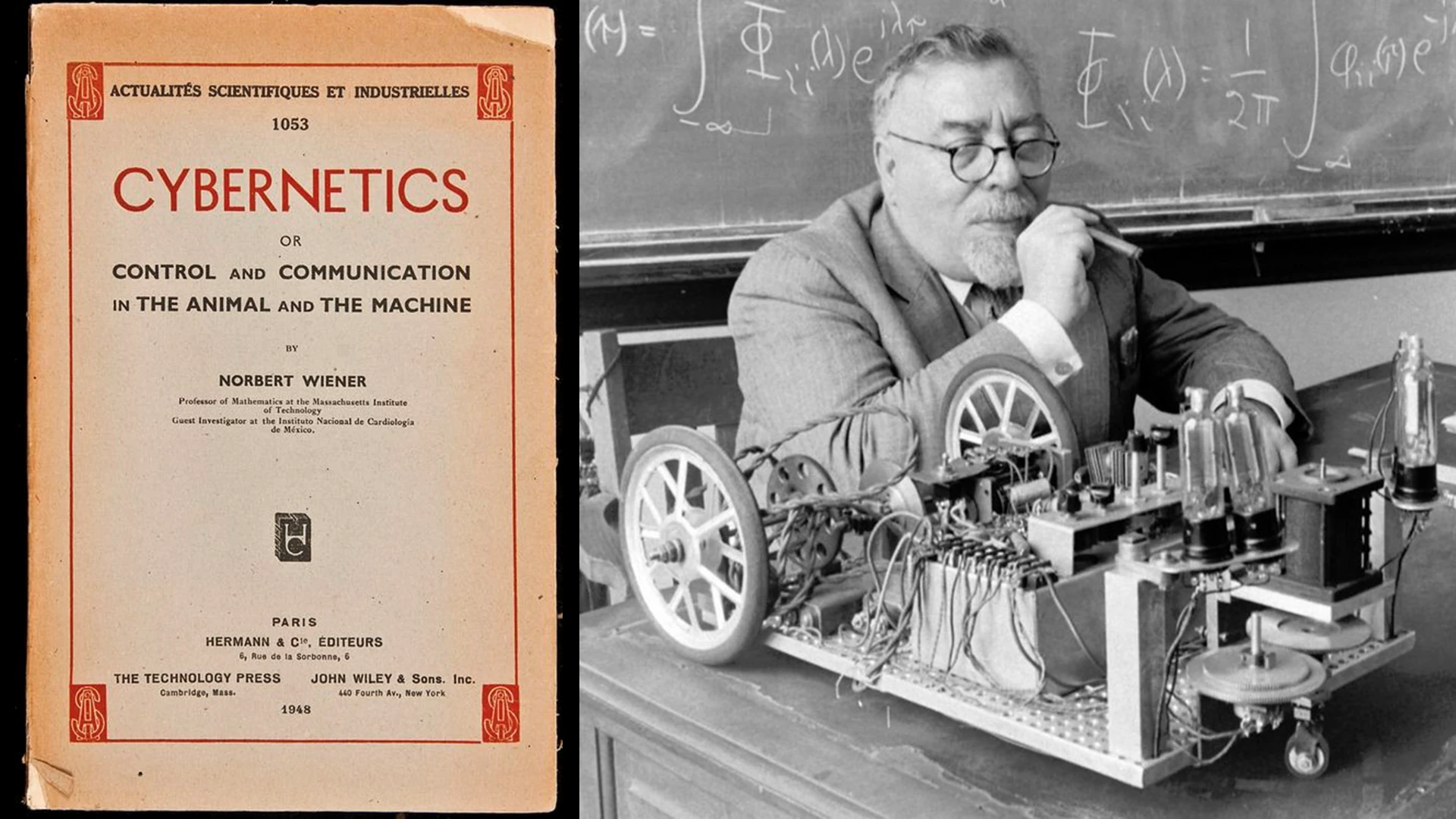
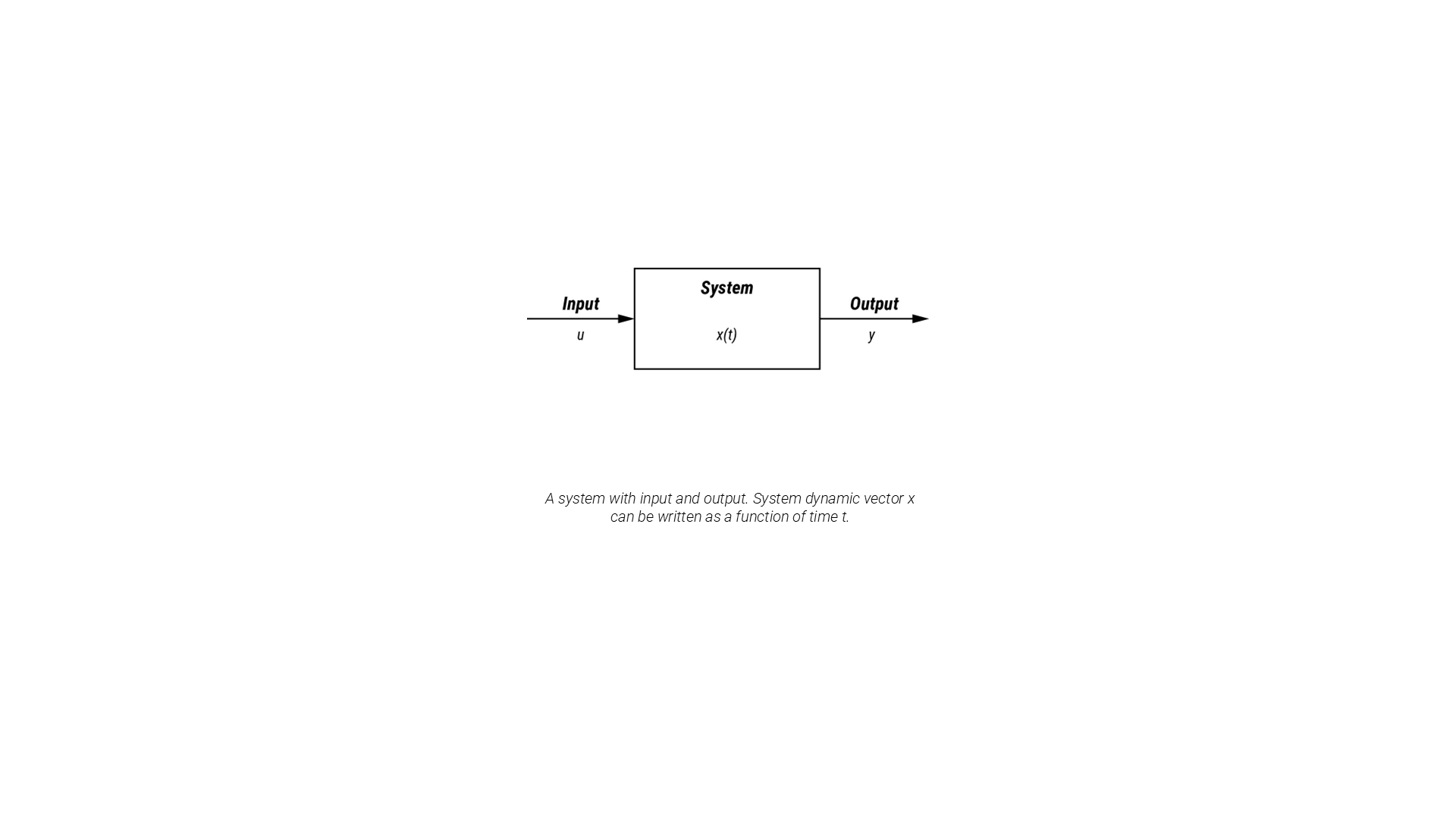
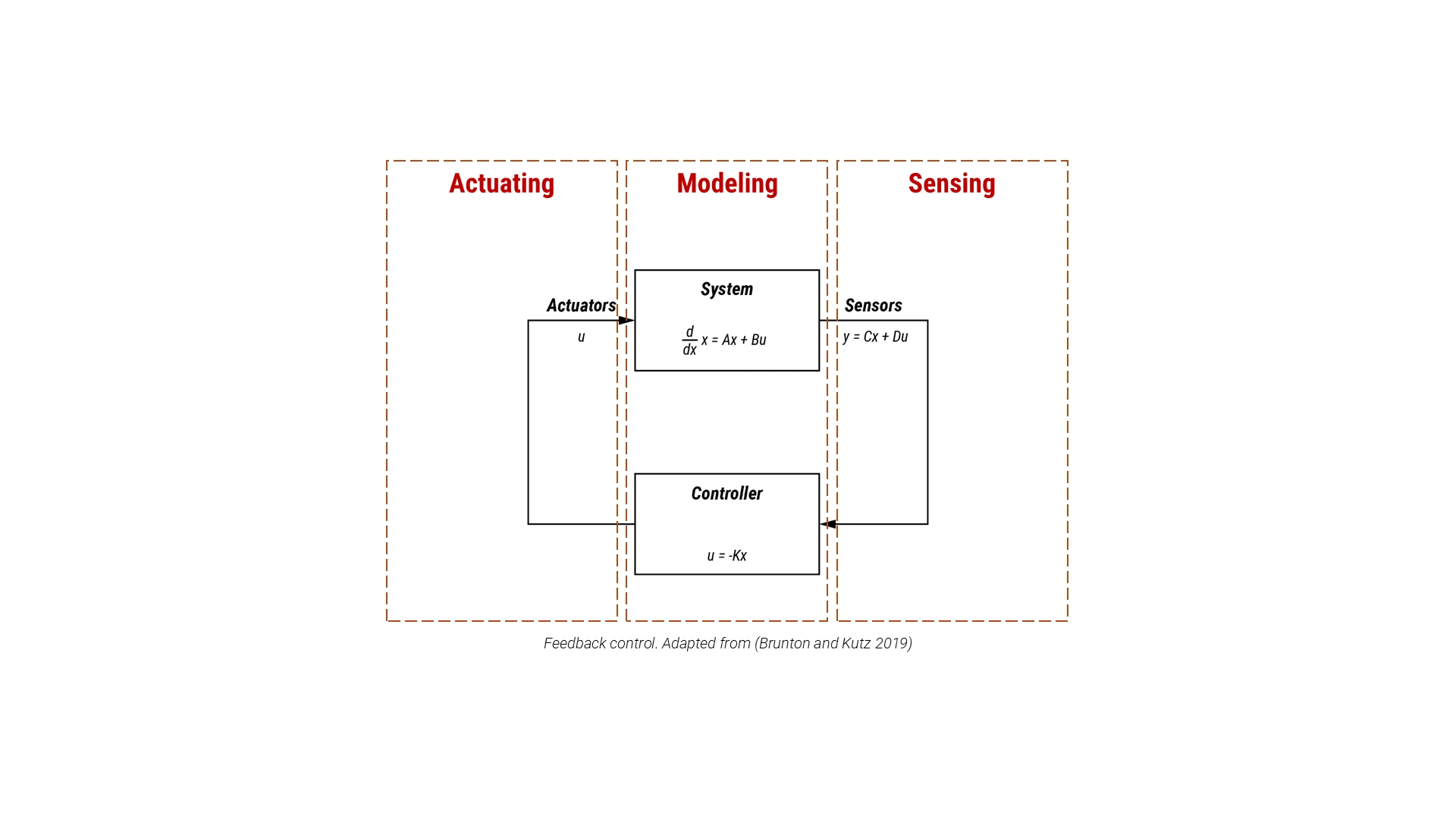
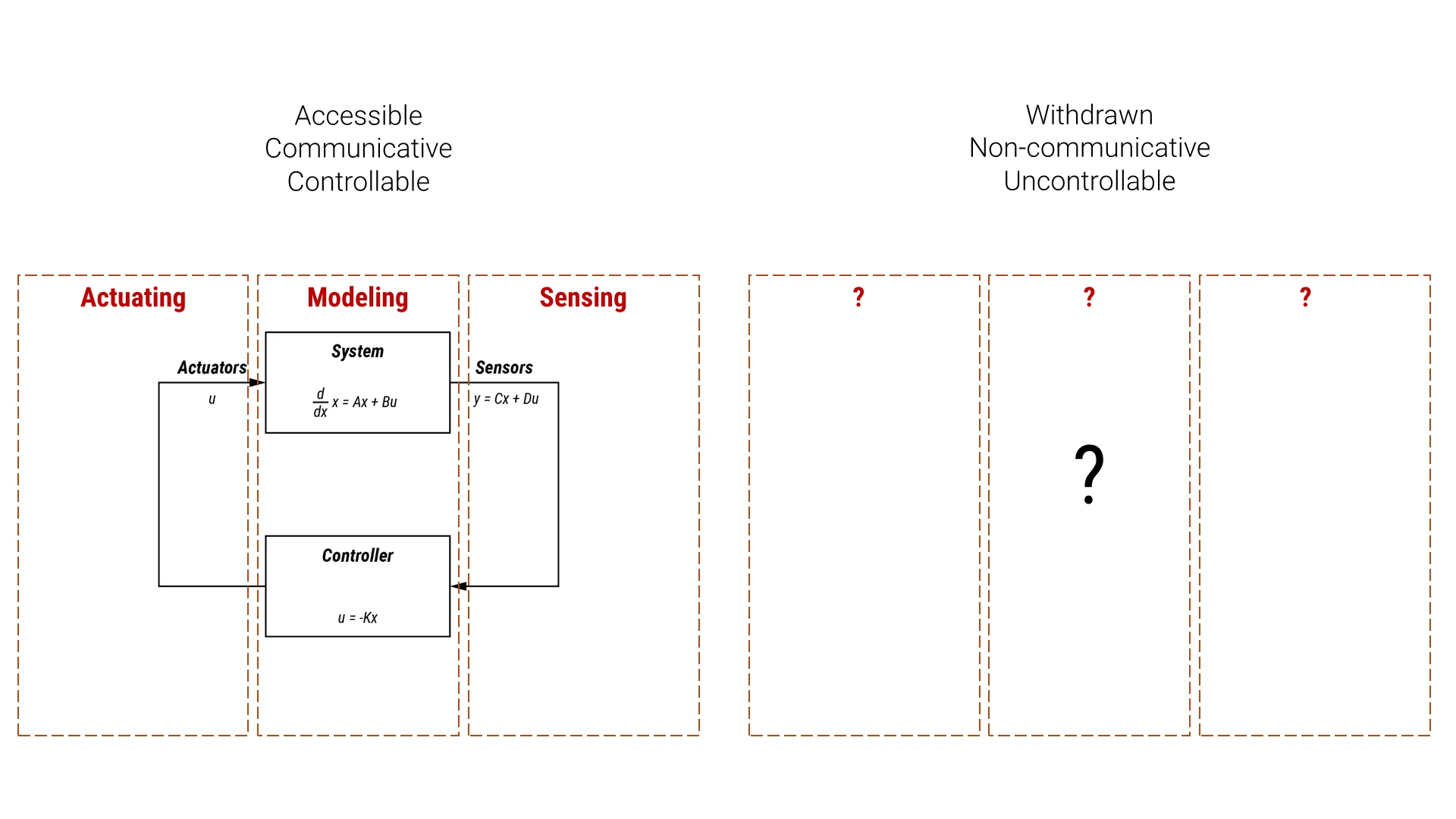
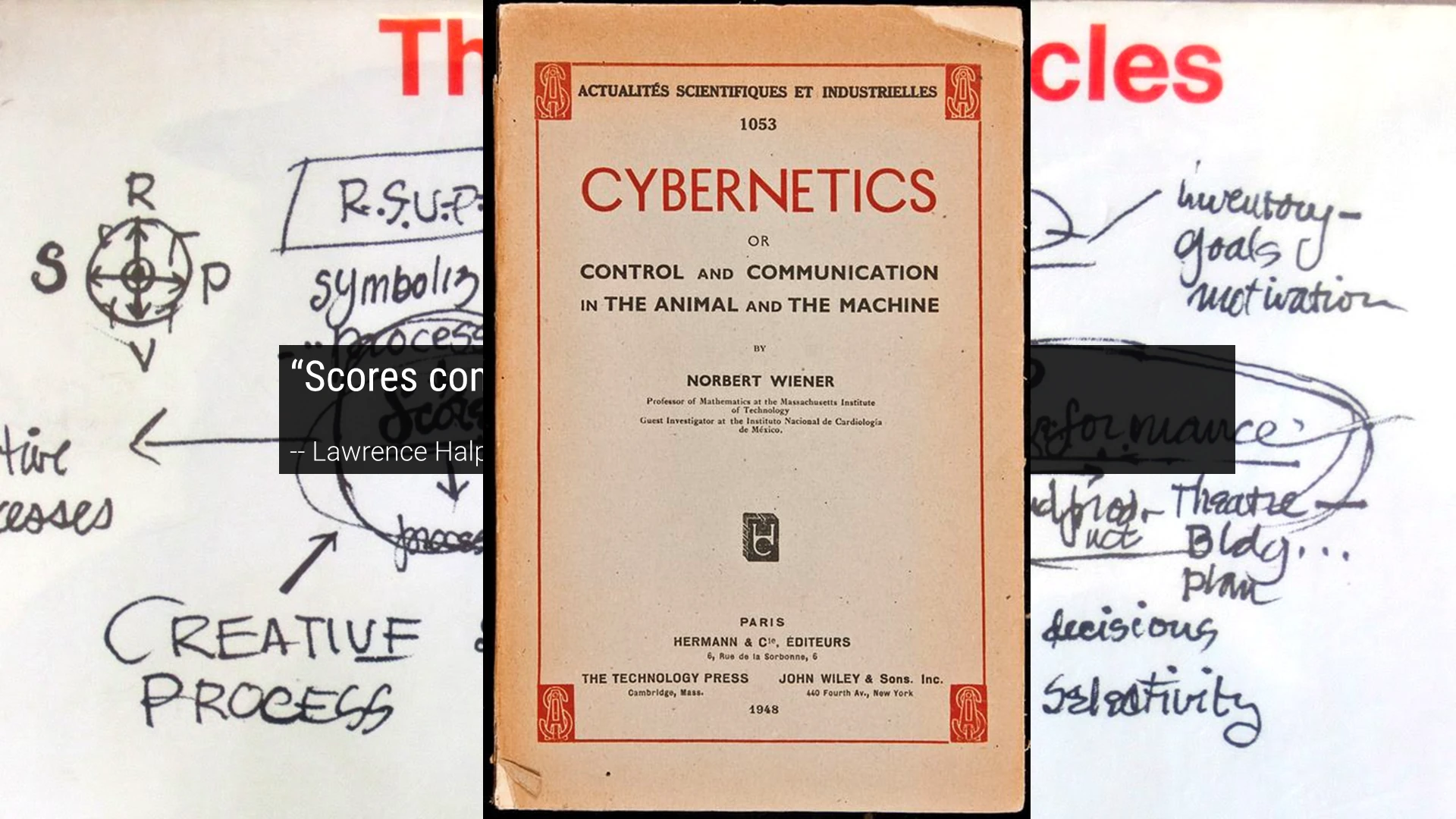
A lecture on what cybernetics became and what it might still be. Norbert Wiener’s 1948 book put communication at the center of control: rather than needing to understand a machine’s internal structure, one could treat it as a black box and govern it by measuring input against output. Sensing, modeling, and actuating followed as the three fundamental operations—and mainstream technological development has advanced along those three fronts ever since, most ambitiously in the smart city, where “smart” is narrowly defined as more efficient and more connected.
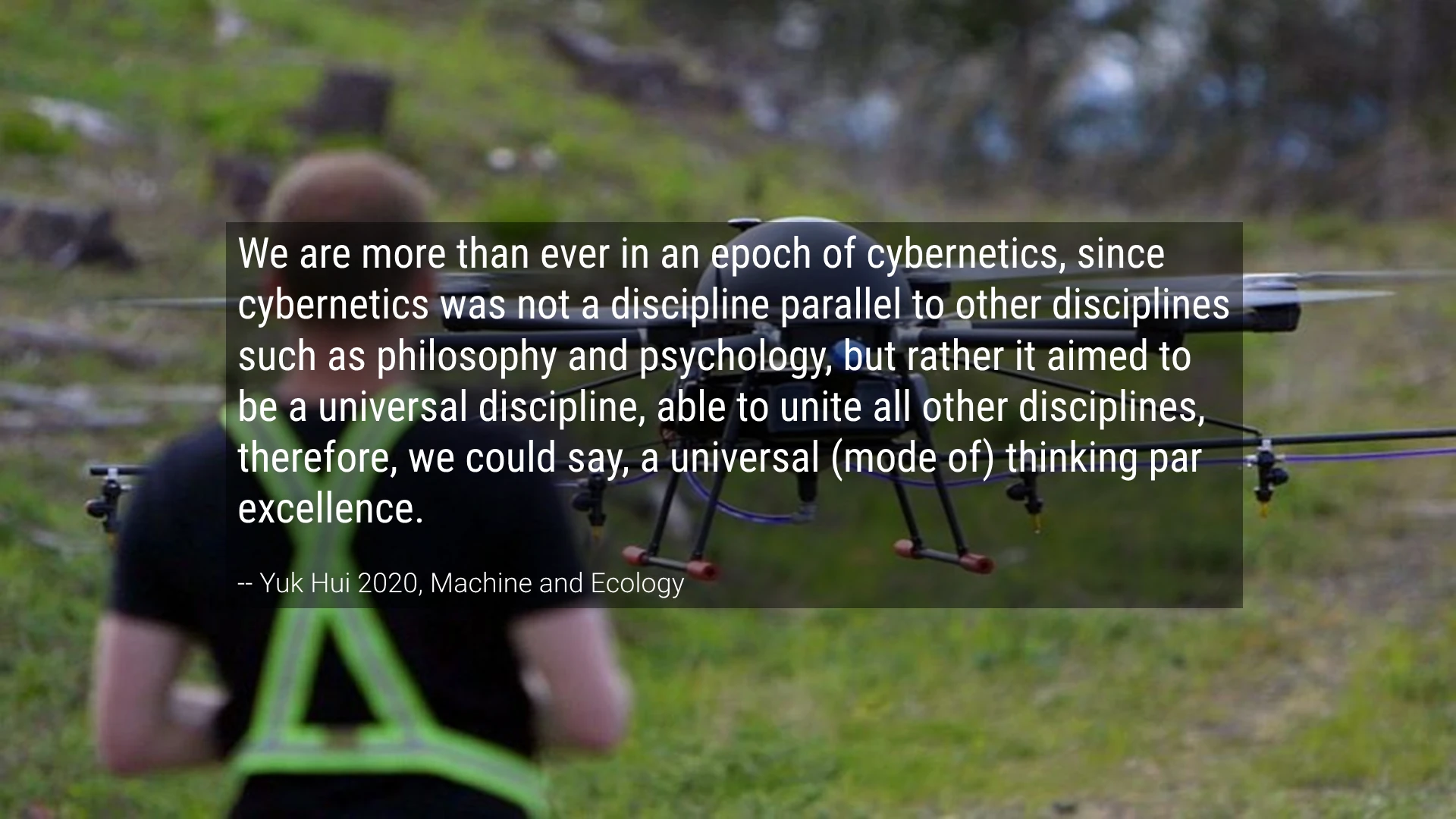
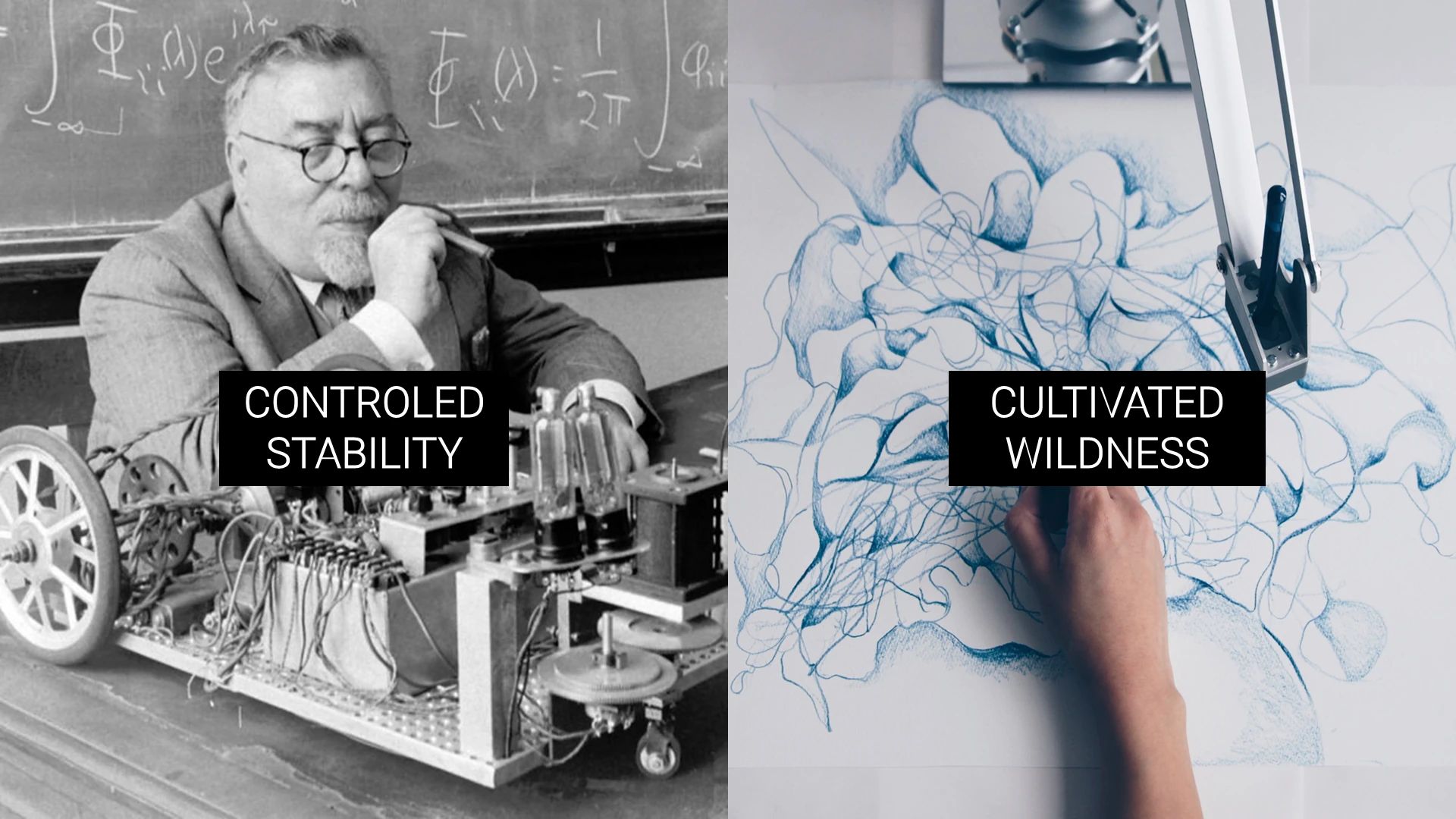
The talk takes seriously Yuk Hui’s claim that cybernetics was never a discipline alongside others but a universal mode of thinking—a worldview rather than a technology. It then looks for the places where that worldview breaks. In Sougwen Chung’s drawing duets, a robotic arm tracks the artist’s linework perfectly in simulation and then distorts it in the physical world. There is no perfect communication and no real control, and yet something emerges.
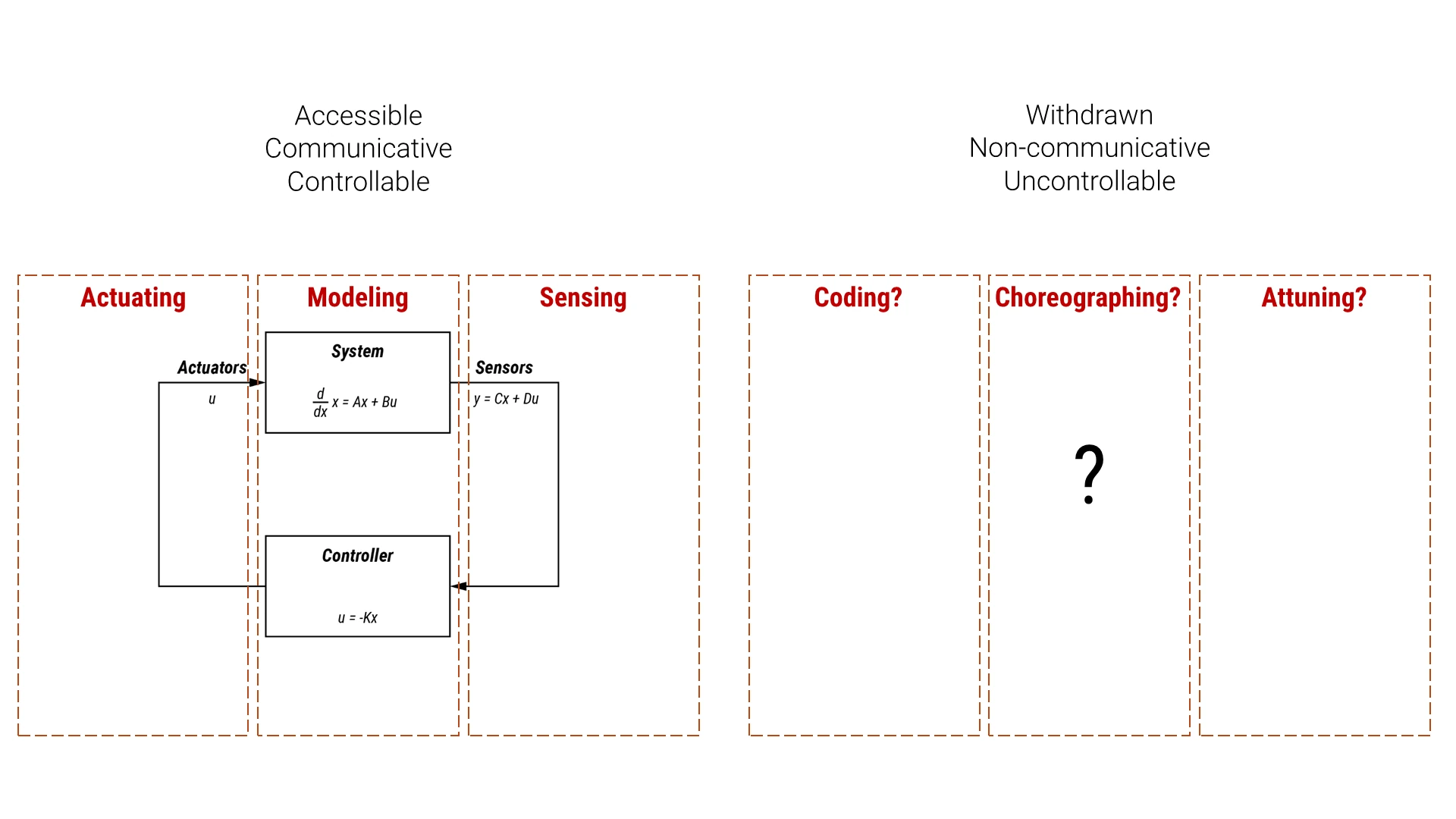
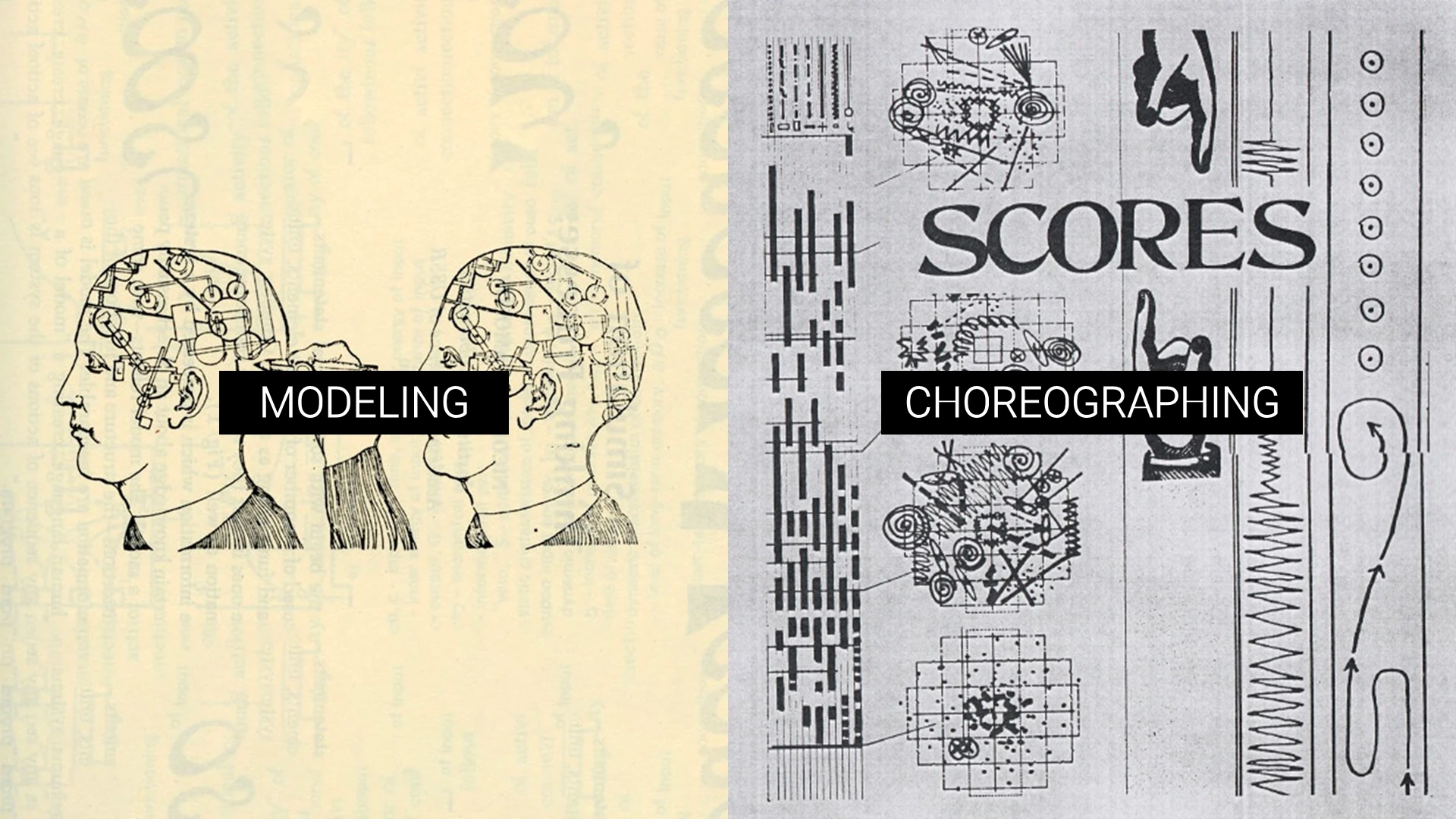
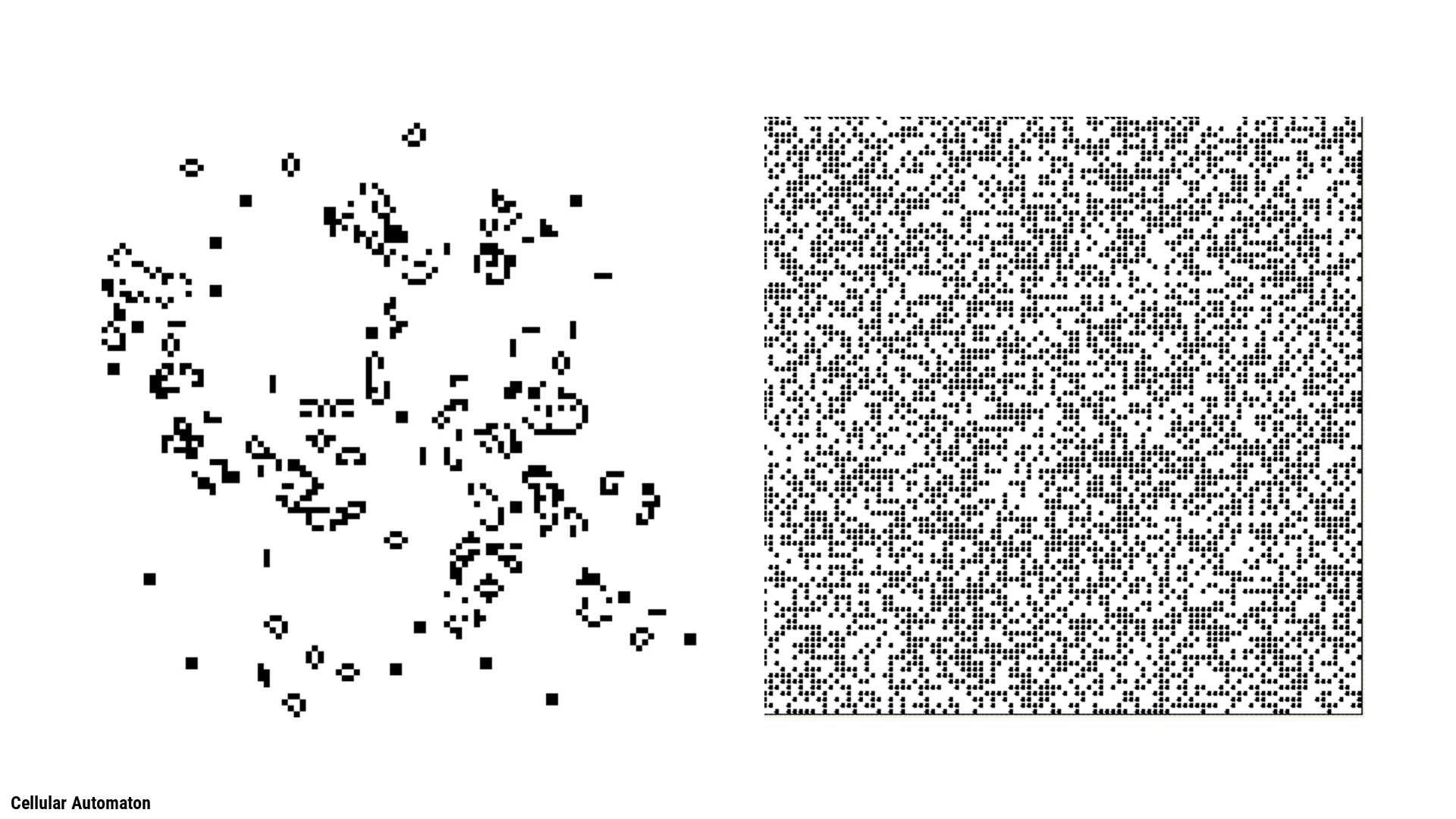
From that opening the lecture assembles an alternative reading of cybernetic thinking, one that begins from the premise that things are withdrawn, non-communicative, and uncontrollable. In place of sensing, modeling, and actuating it proposes three other terms—attuning, choreographing, and coding—drawn from practices across art, science, engineering, and design: David Bowen’s tele-present wind, Lawrence Halprin’s RSVP cycles and his line that scores communicate but do not control, and the cellular automaton as rule-setting rather than outcome-control. An alternative cybernetics starts not from control, but from co-becoming.