Making, theorizing, and evidence in design research
Lecture Slides
What is Research for Designers
LAAR 64150 · Design Research
Part I
What is research
Part II
Making as a method
Part III
Theorizing as a method
Part IV
Where to find information
Part V
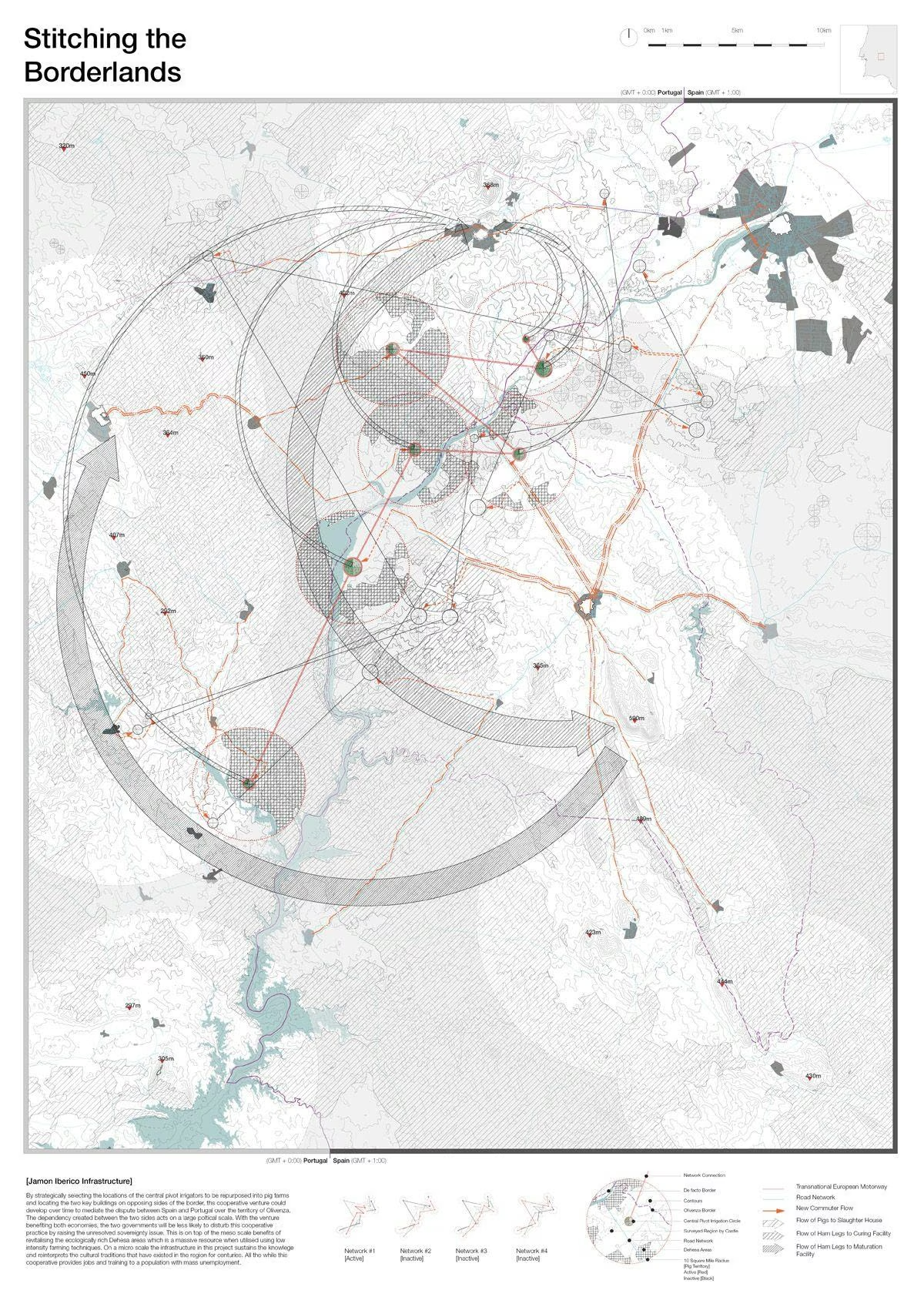
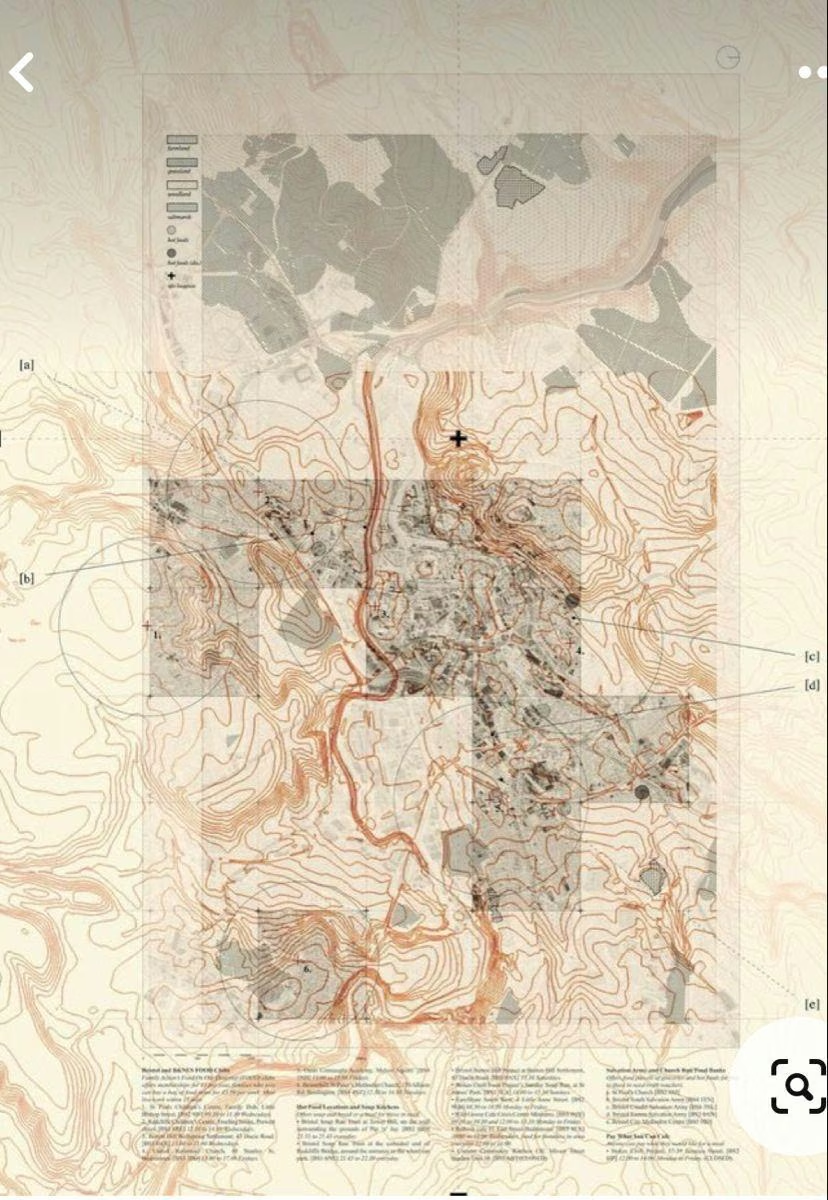
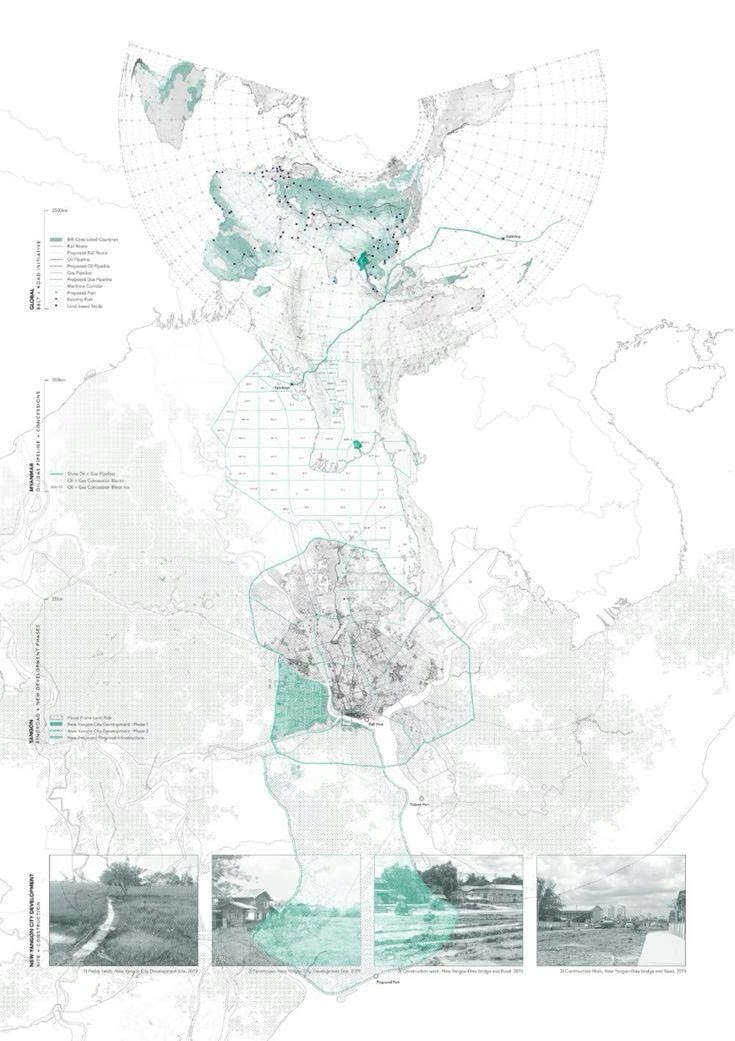
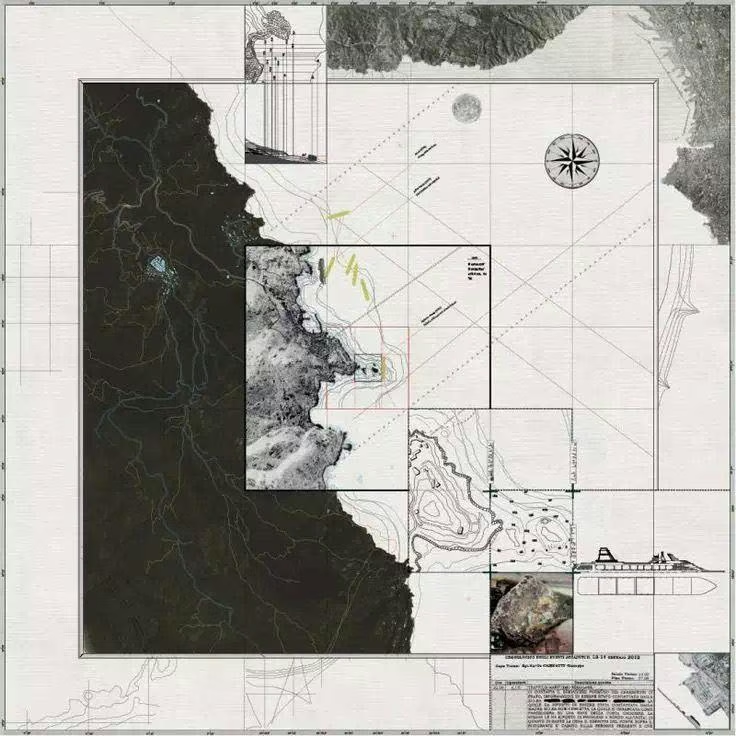
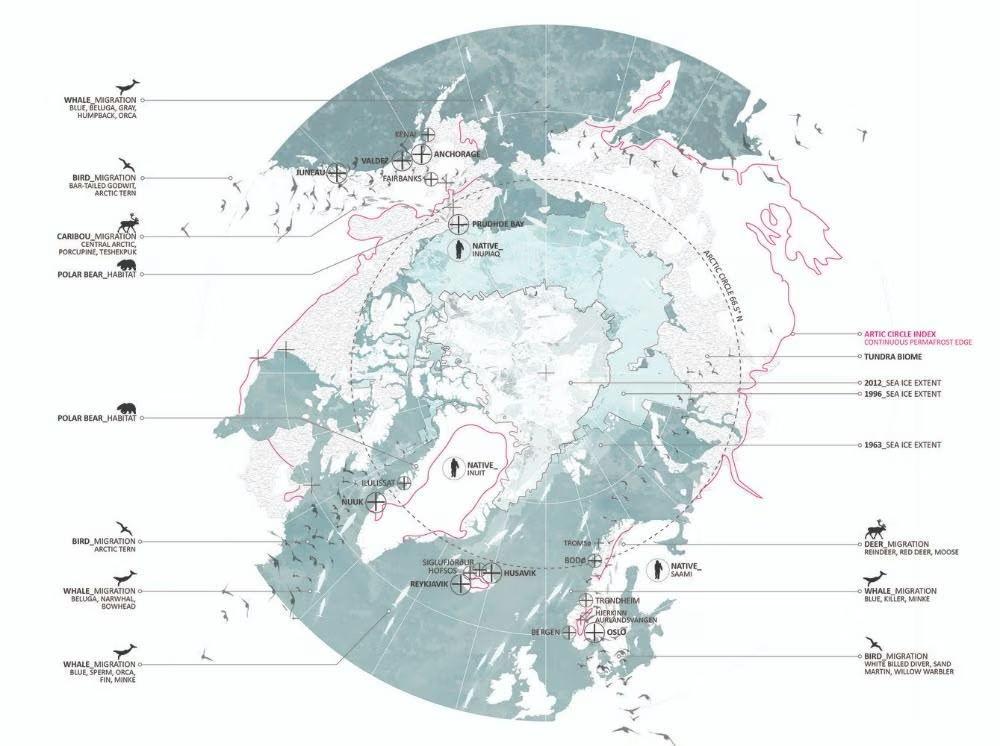
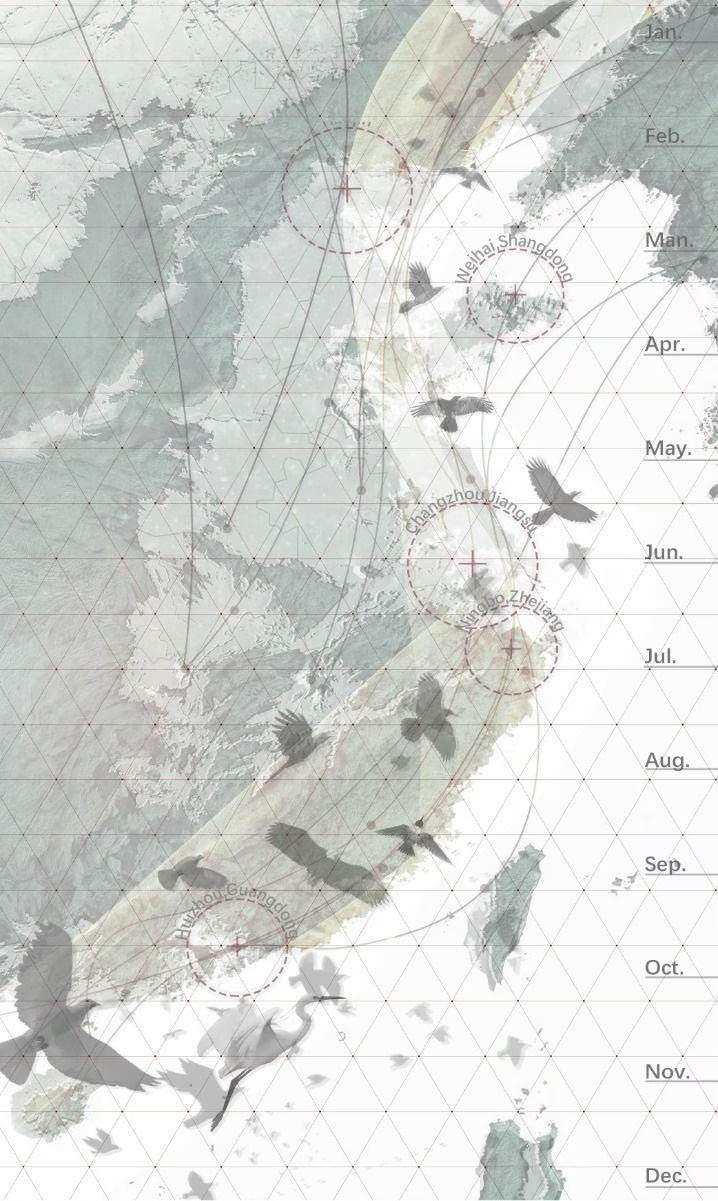
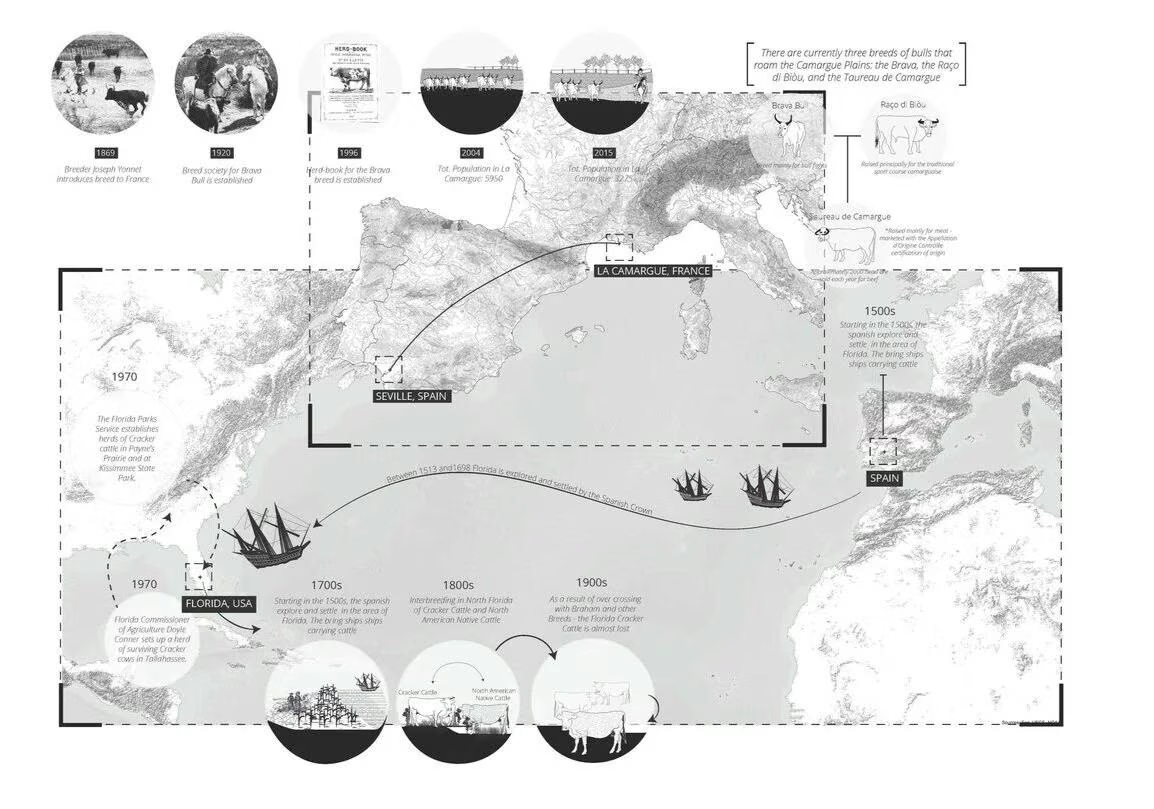
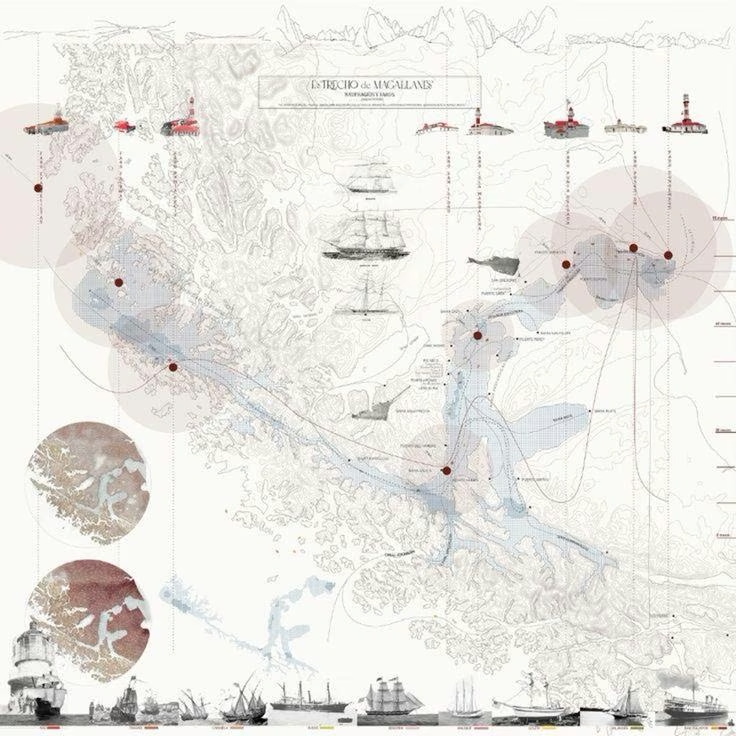
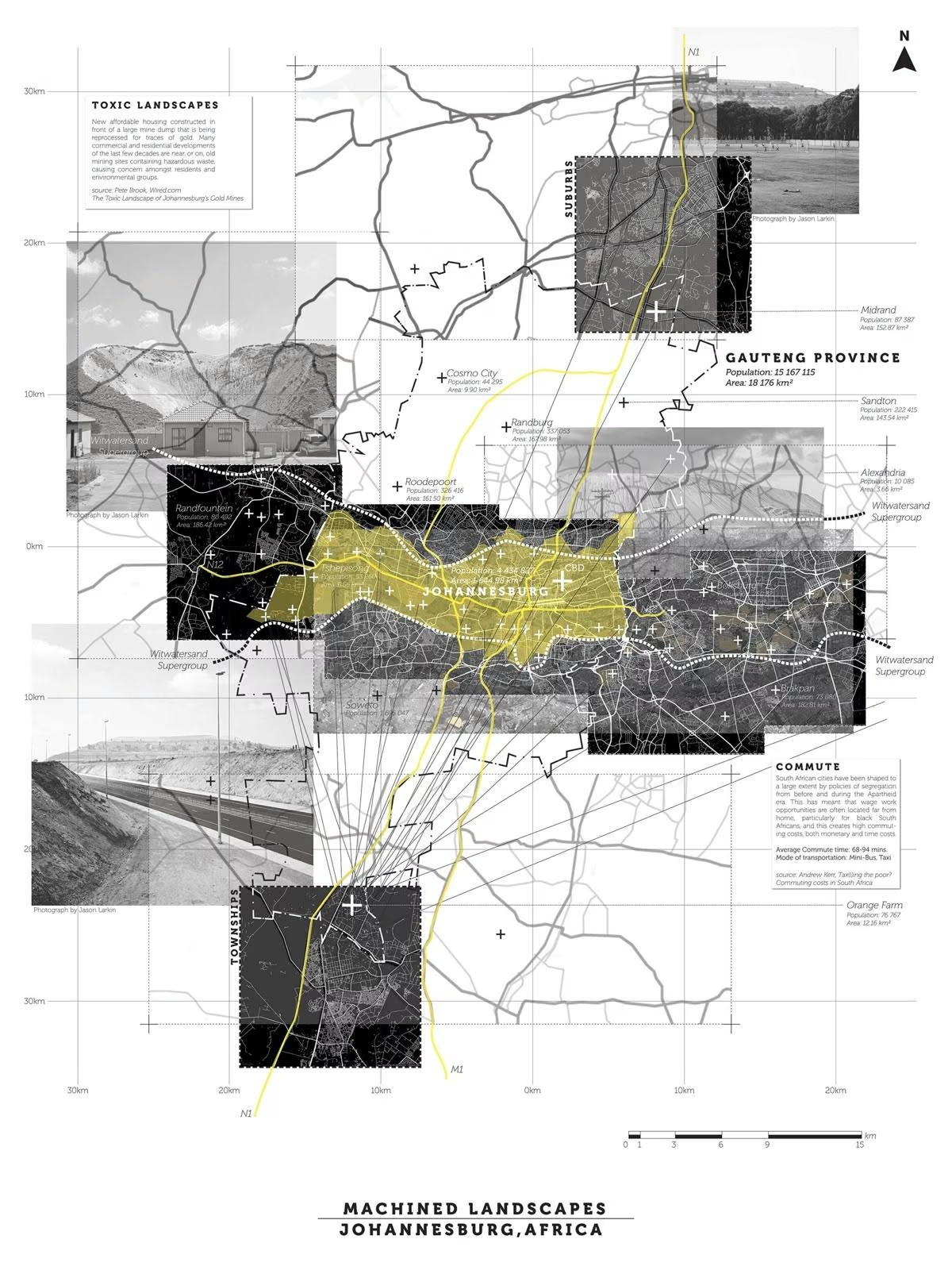
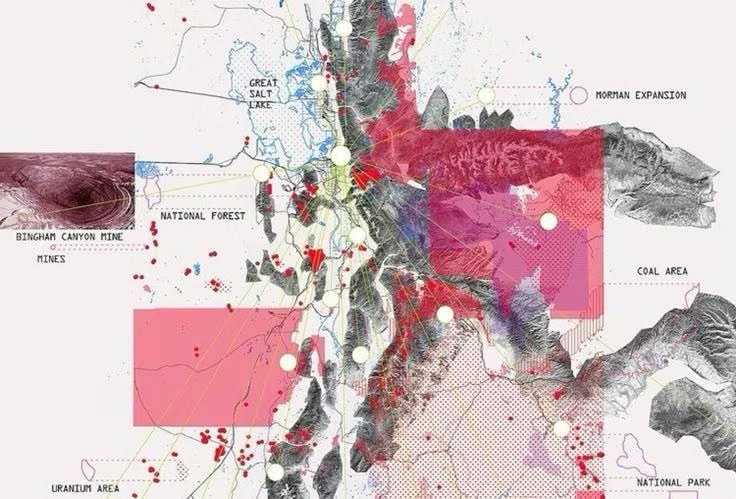
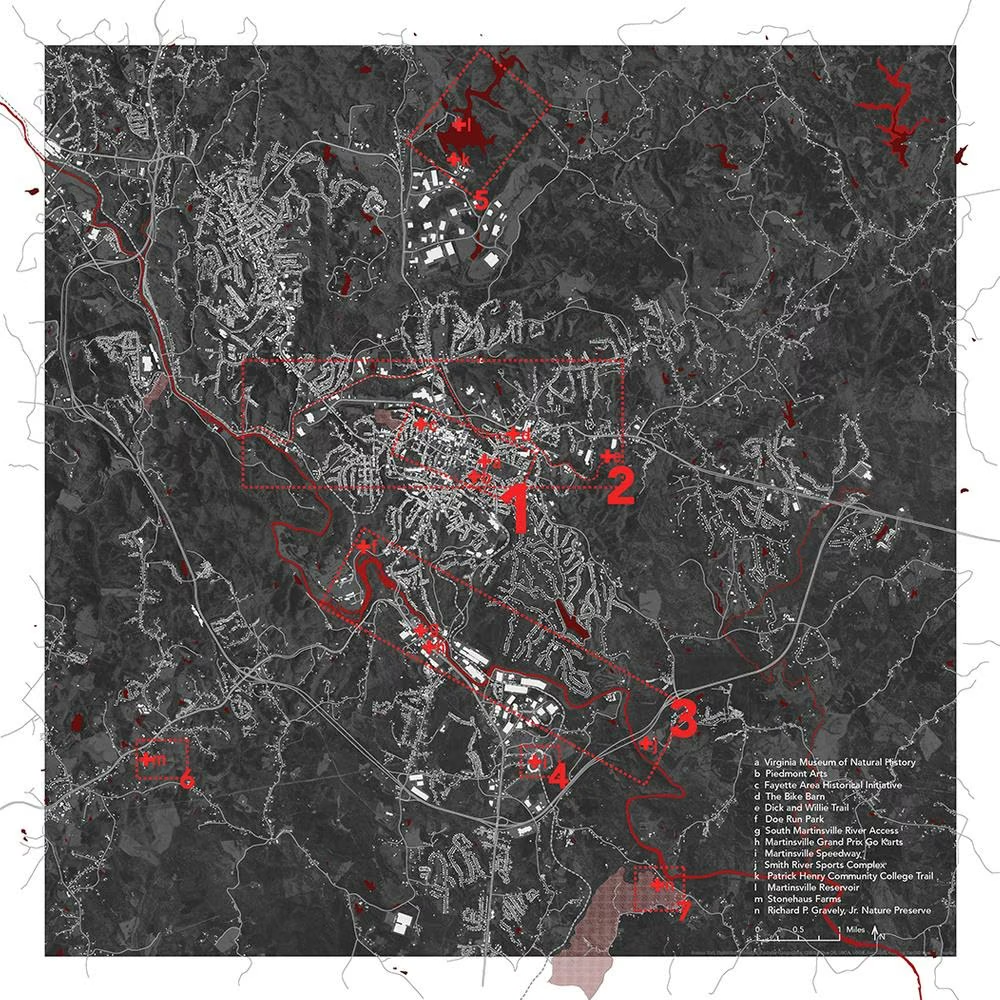
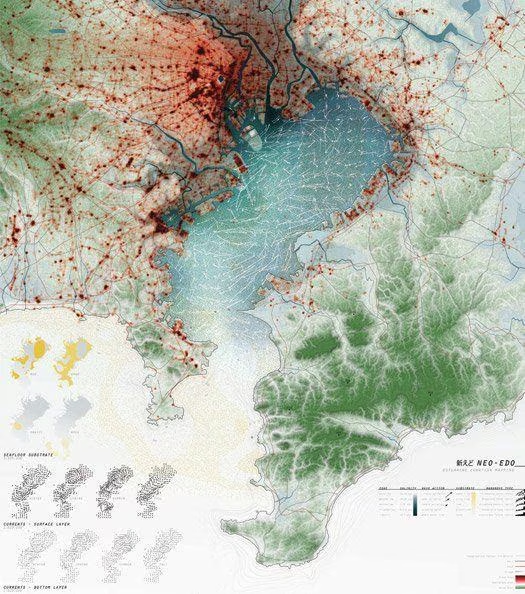
Graphic references
What is Research
Research is the pursuit of new knowledge through the process of discovery. Purdue University
Two grammars of the word: Open English Wordnet
Noun: enquiry, inquiry, a search for knowledge
Verb: attempt to find out in a systematic and scientific manner
Research is the systematic and intentional process of asking questions, gathering evidence, interpreting data, and generating knowledge — a way of making sense of the world, whether that world is social, ecological, technological or historical. ChatGPT
How to do research?
What do you want to study?
Be specific. You cannot just say you want to study pumpkins — what about pumpkins?
Why do you want to study it, and why now?
What is the impact of the topic — climate change, social injustice, democracy?
How are you going to study it? What is your method?
How do you collect, analyze and interpret information? Qualitative, quantitative, design research?
Through historical documents, critical theory, drawing, mapping?
What is your outcome?
What is a Method
Quantitative and qualitative are the traditional way scientists talk about method.
Qualitative — non-numerical data (words, images, sounds); subjective experience and attitudes, via observation and interview; detailed description and new insight.
Method is simply how you study something — so explain how you are going to study it.
Making
Theorizing
Theory becomes a method to study something.
Posthumanism as a framework to study pumpkins; “thing-power” to understand edible plants; watermelon through a racial or colonial lens.
Combine methods and you have a new method.
Part I
What is research
Part II
Making as a method
Part III
Theorizing as a method
Part IV
Where to find information
Part V
Graphic references
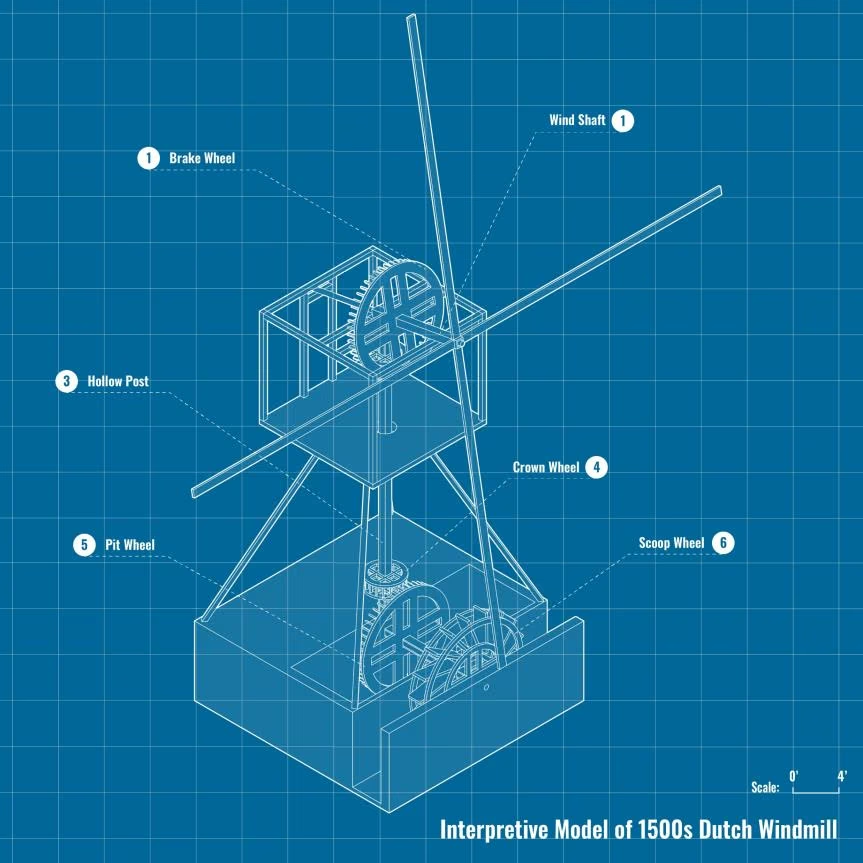
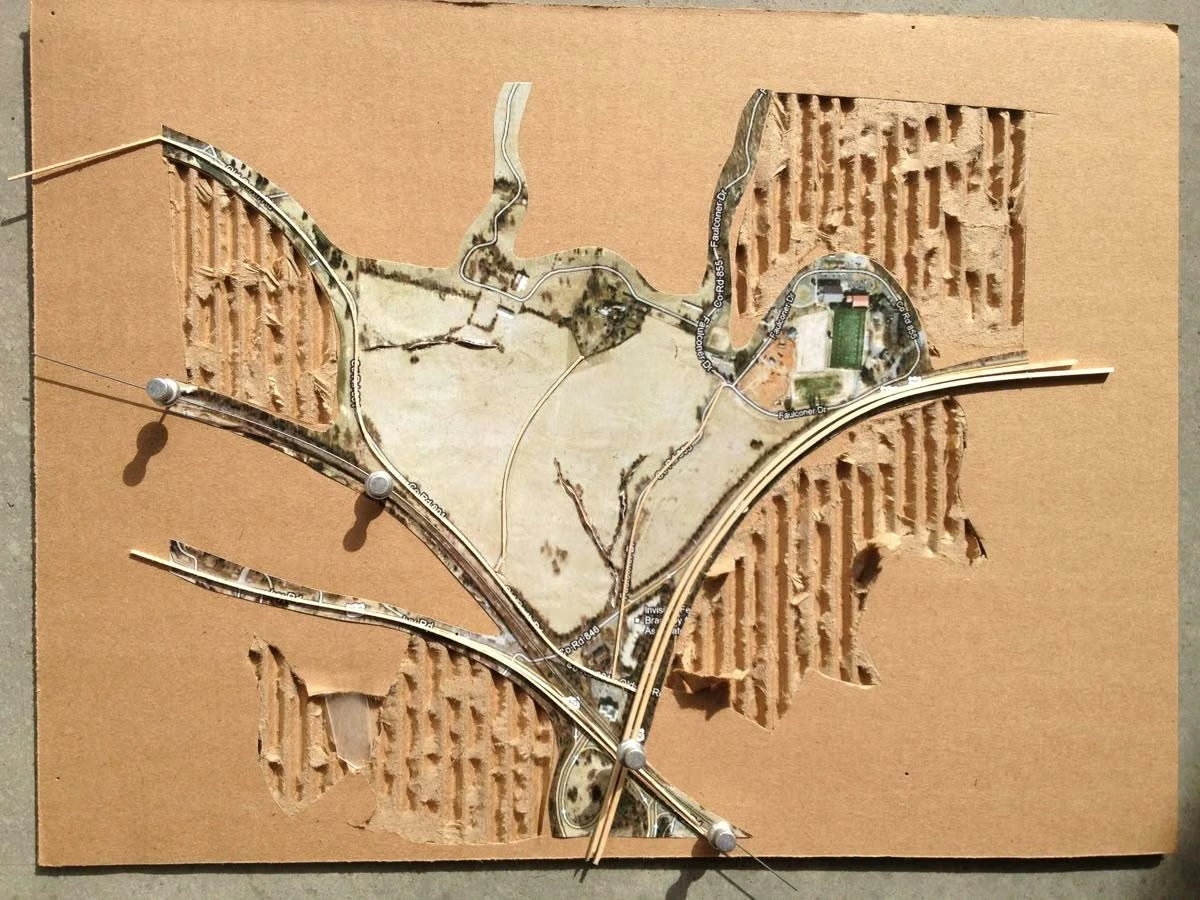
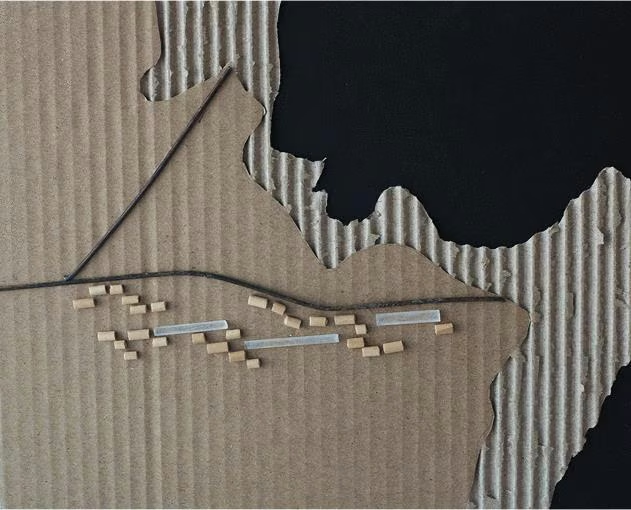
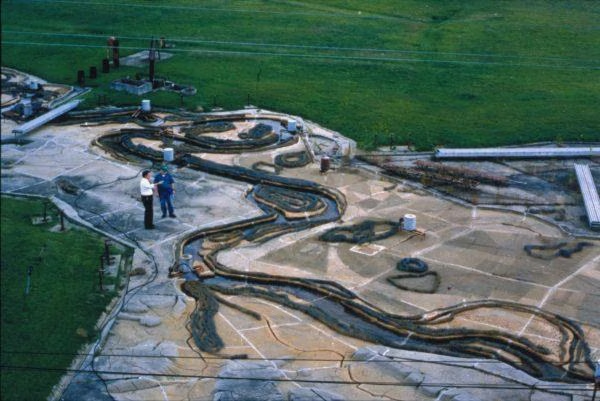
Making as a Method
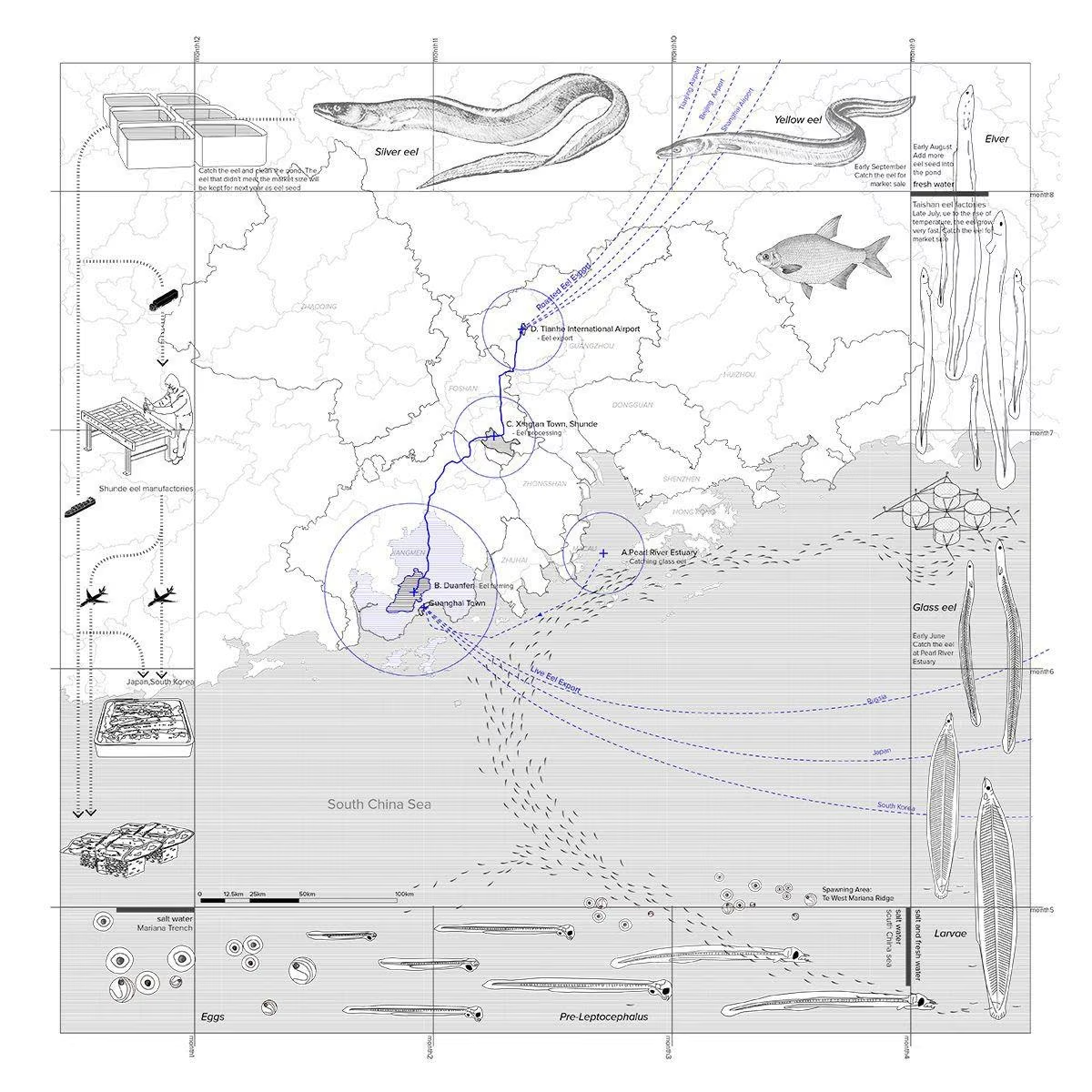
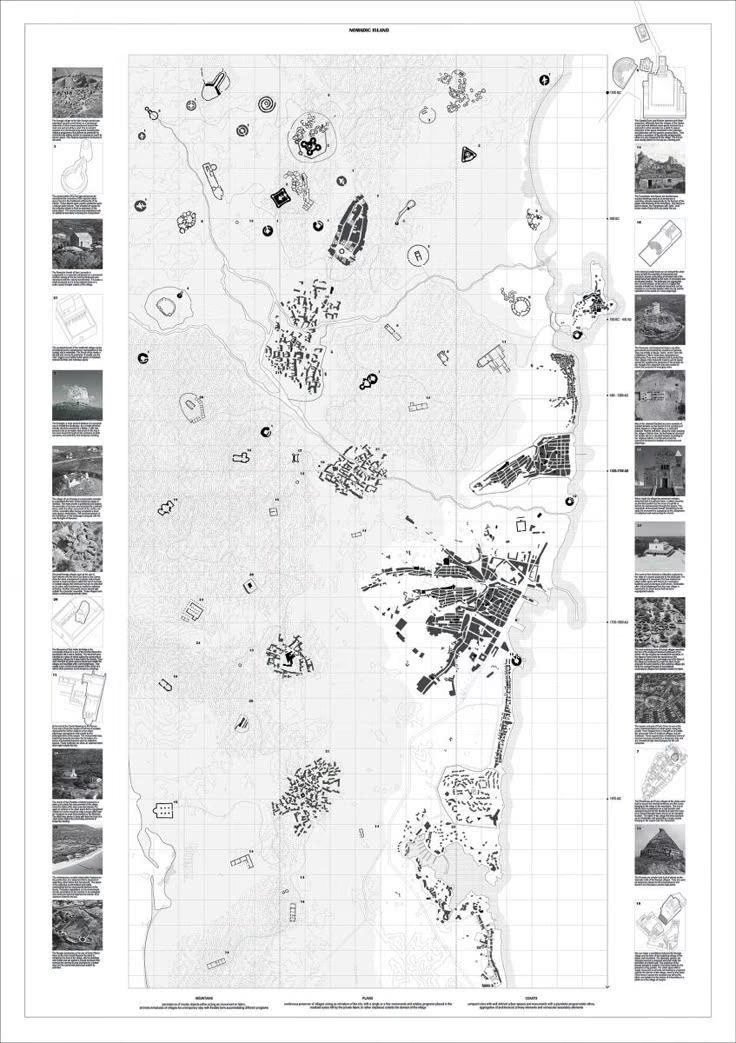
When you draw something you are forced to respond to it — and forced to ask more questions.
What do you do, and why? Use verbs.
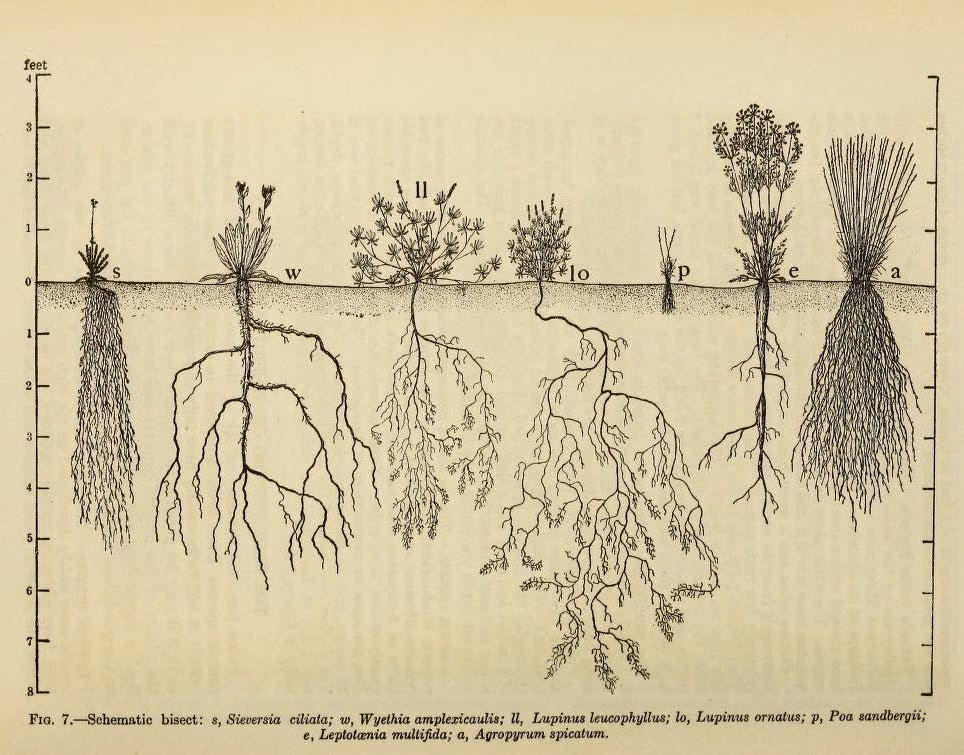
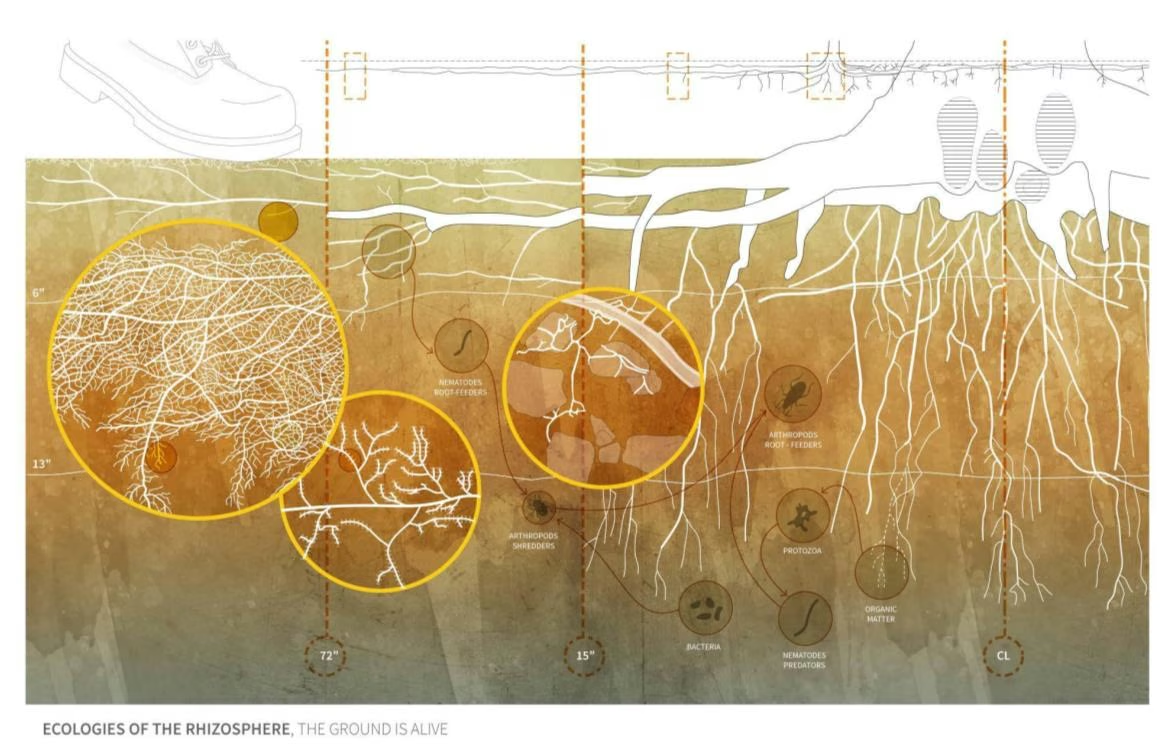
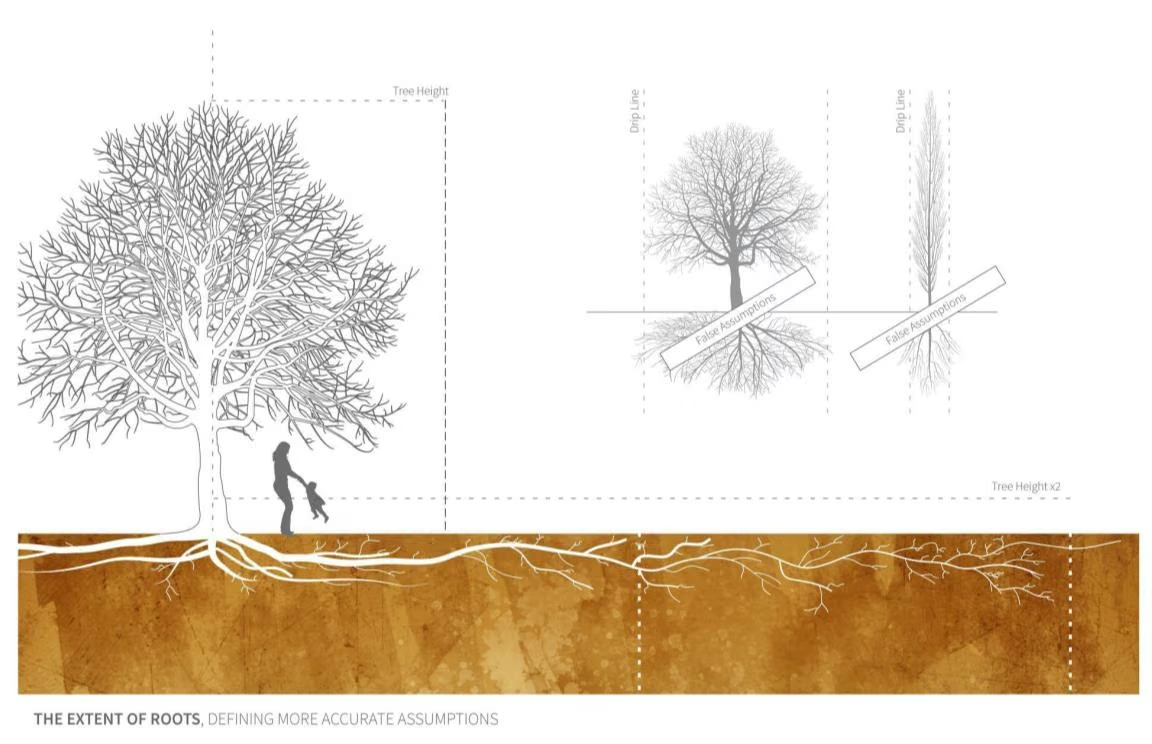
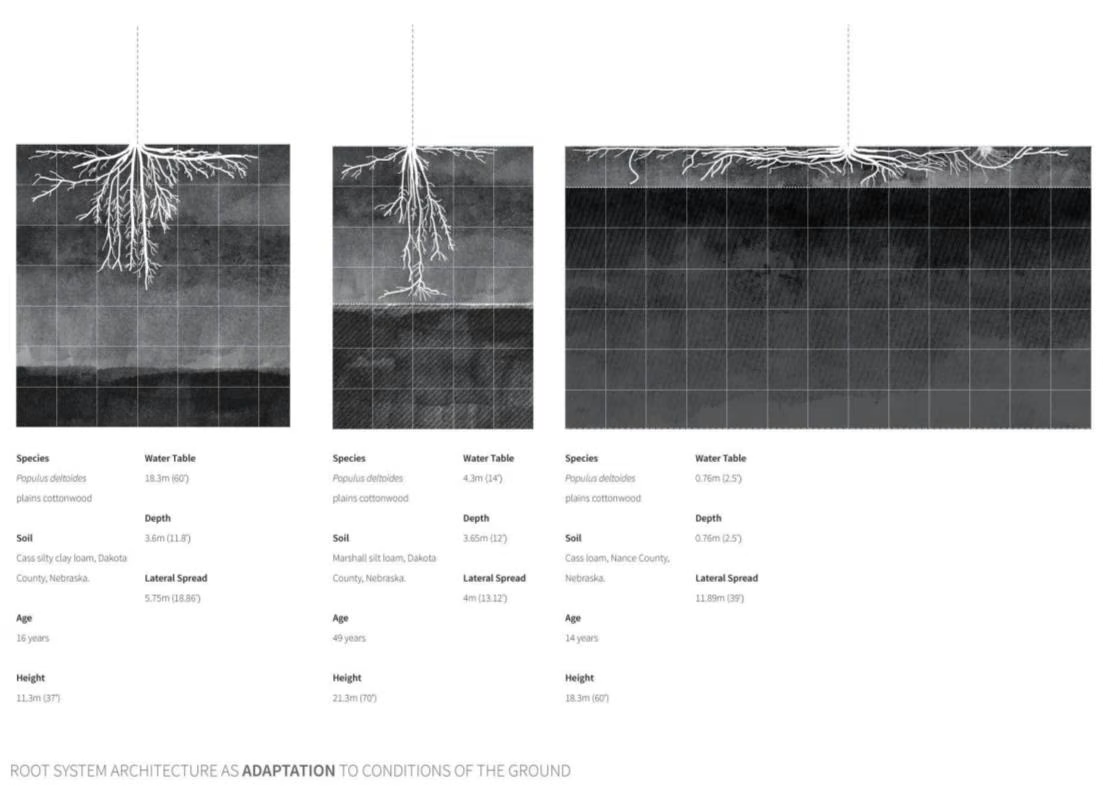
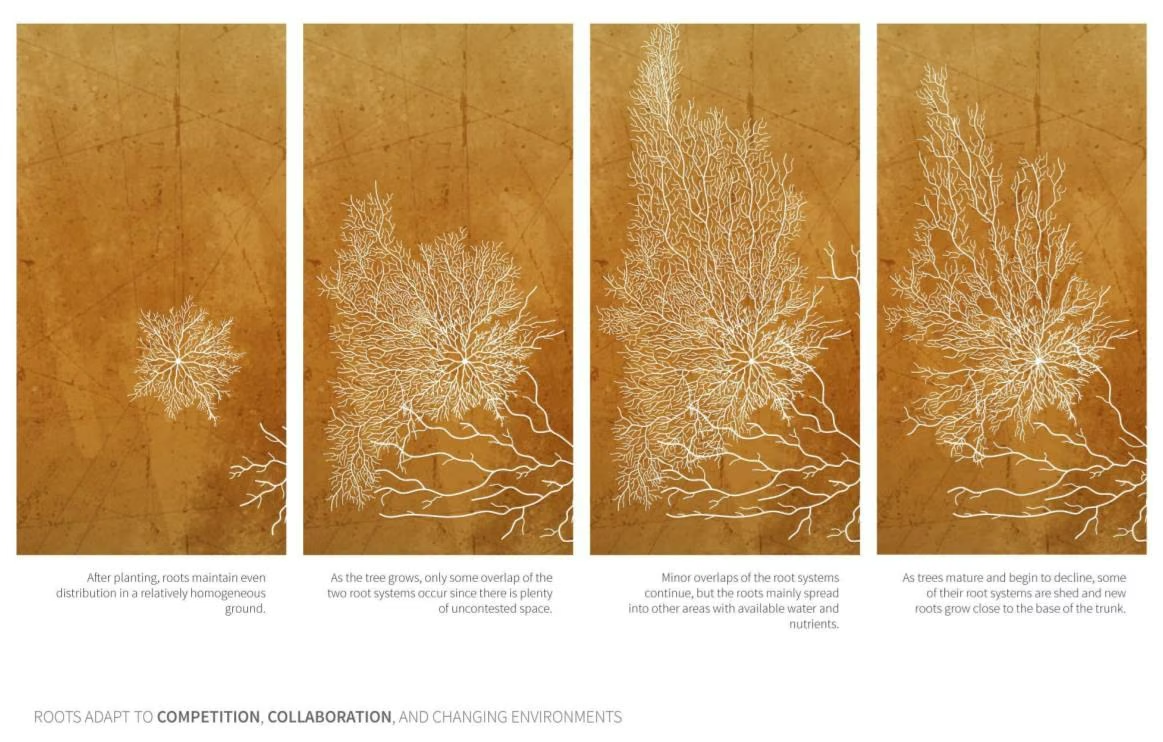
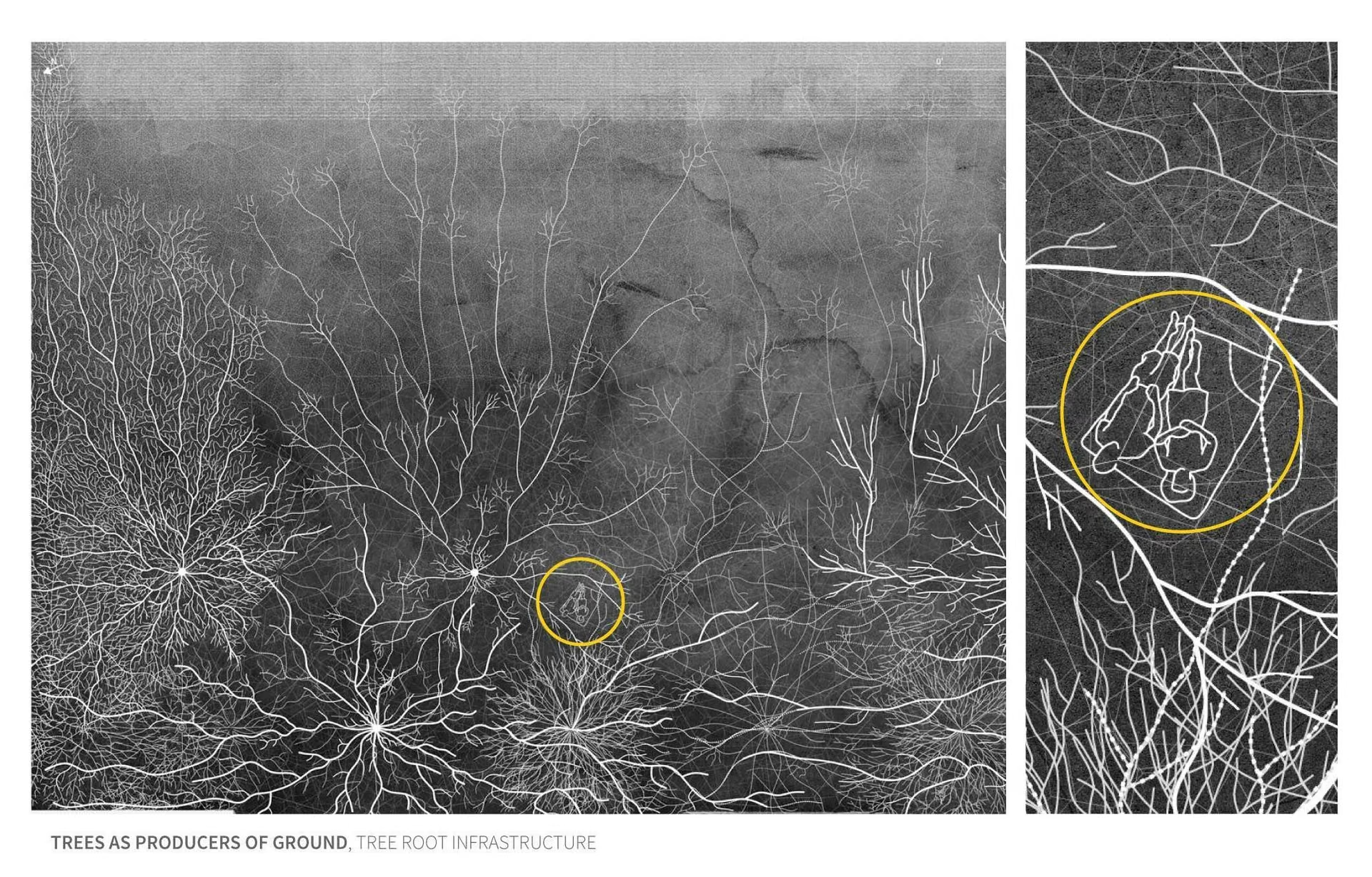
Diagram root systems to understand how a root system grows over time.
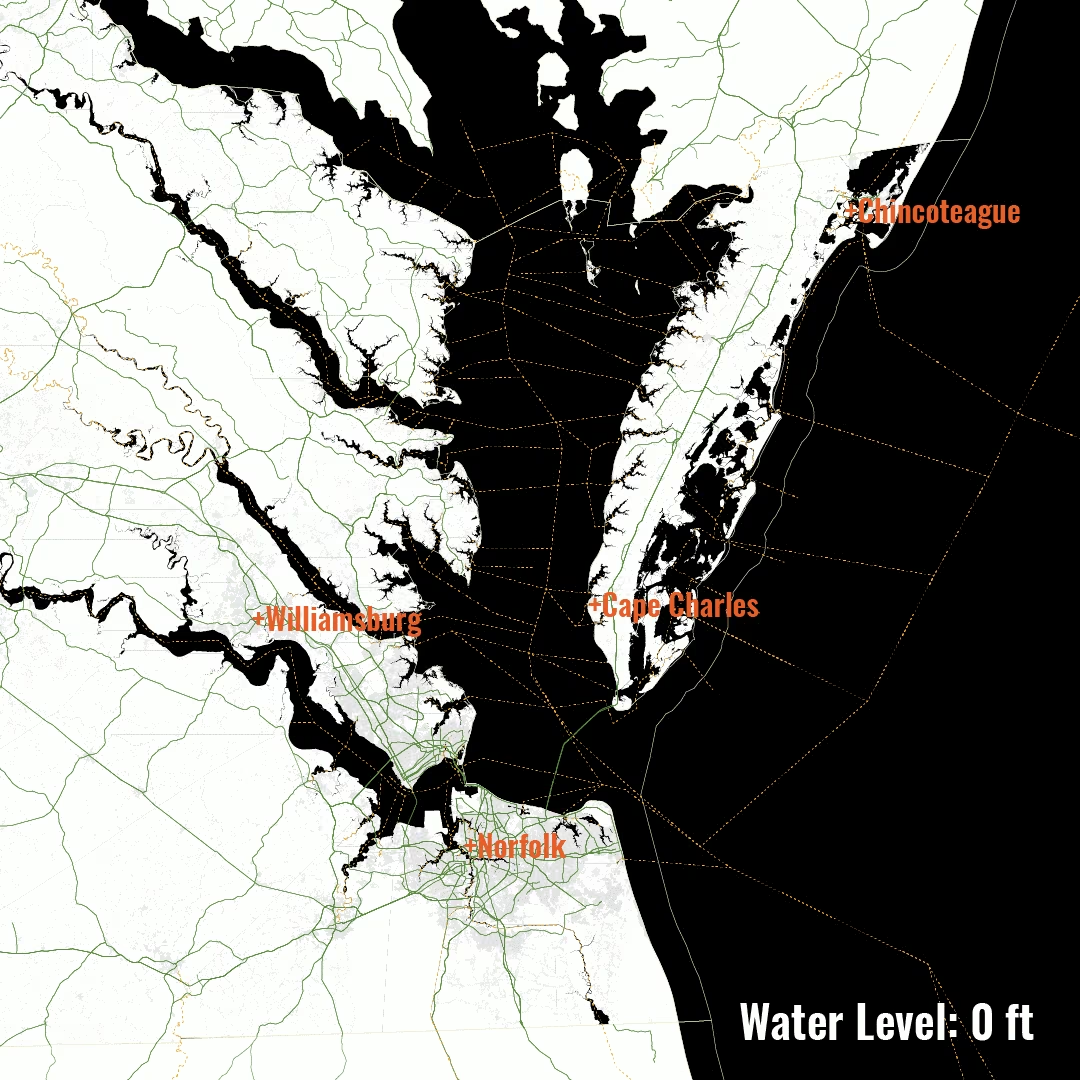
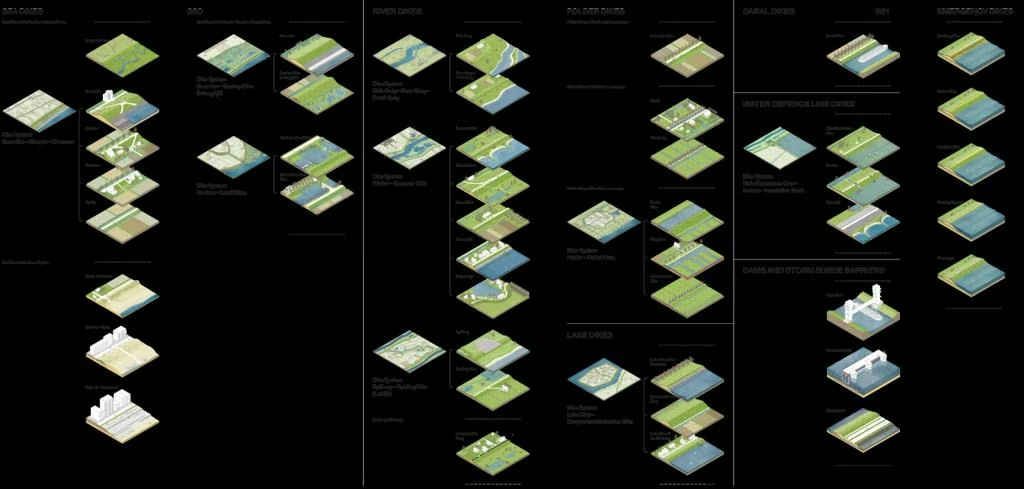
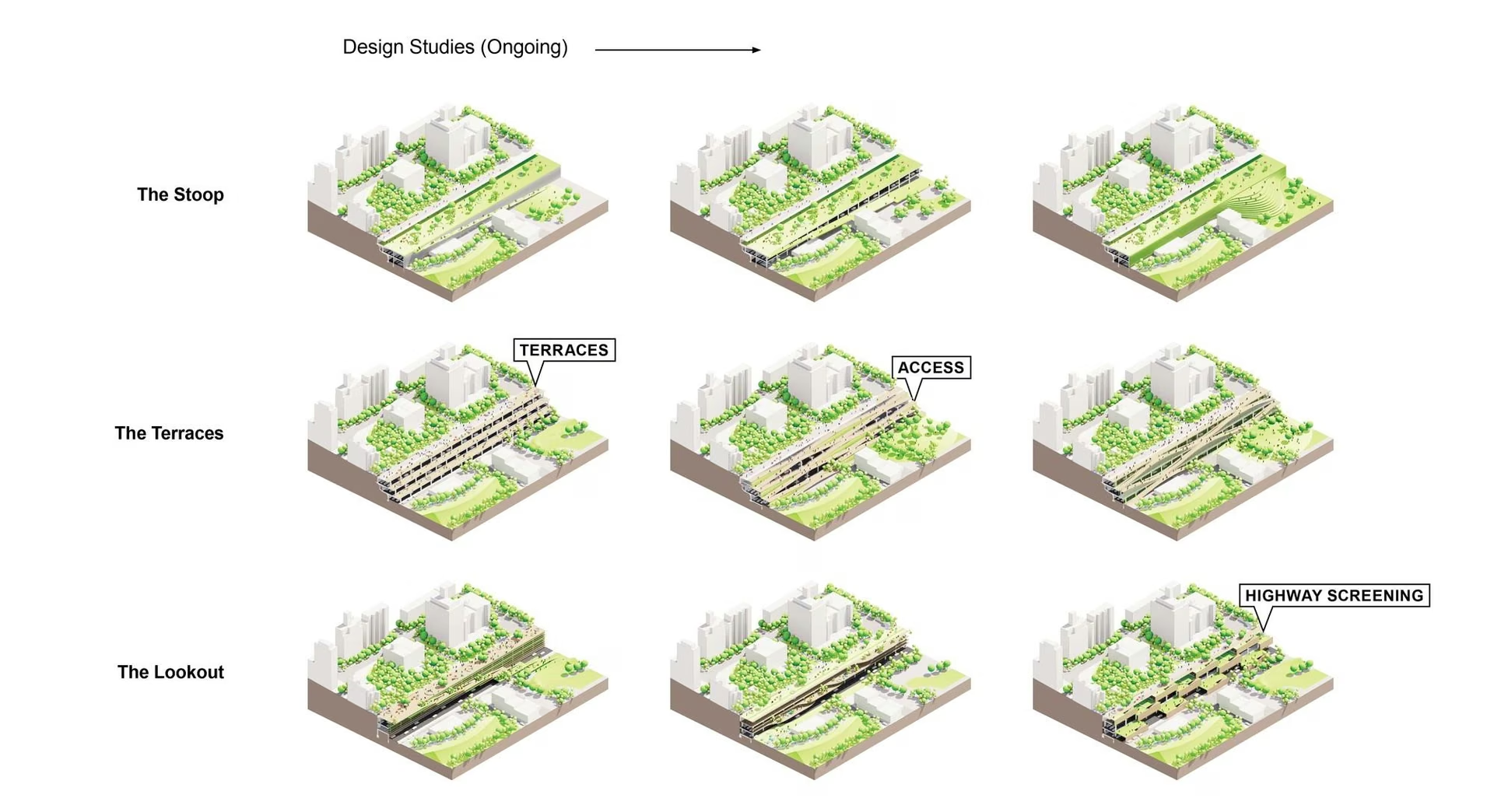
Combine different typologies to create new forms of public space.
Analyze historical trade images to understand the relationship between China and the West.
Post-rationalization is allowed — you will often know what you were doing only after you did it.
It should be fun.
Part I
What is research
Part II
Making as a method
Part III
Theorizing as a method
Part IV
Where to find information
Part V
Graphic references
Theorizing as a Method
What is theory?
A well-substantiated explanation of an aspect of the natural world that can incorporate laws, hypotheses and facts. American Museum of Natural History
A supposition or system of ideas intended to explain something, especially one based on general principles independent of the thing to be explained. Oxford Dictionary
Why do we need theory?
Theories provide frameworks and vocabularies to study with; they provide the language to create discourse and generate knowledge within.
Theory bridges, mediates and reconciles thought and action. Beth Meyer
Part I
What is research
Part II
Making as a method
Part III
Theorizing as a method
Part IV
Where to find information
Part V
Graphic references
Where to Find Information — Topography and Geography