Modeling as Thinking
LAAR 61400 · Week 07
Part I
What a model is
Part II
What we model, why & what for
What you leave out is the argument.
Takeaway 1 · a model is an argument
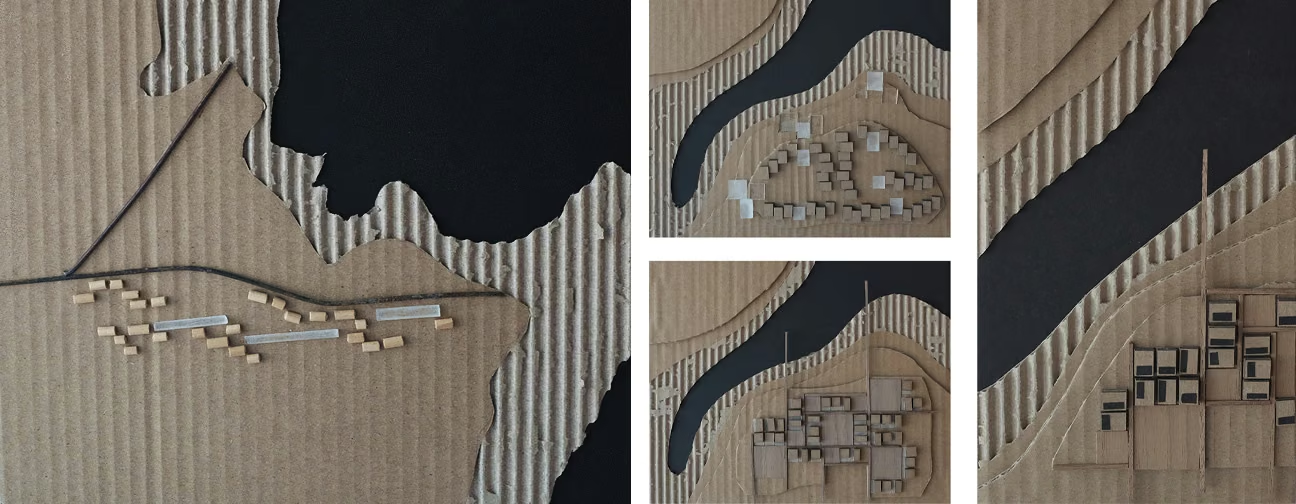
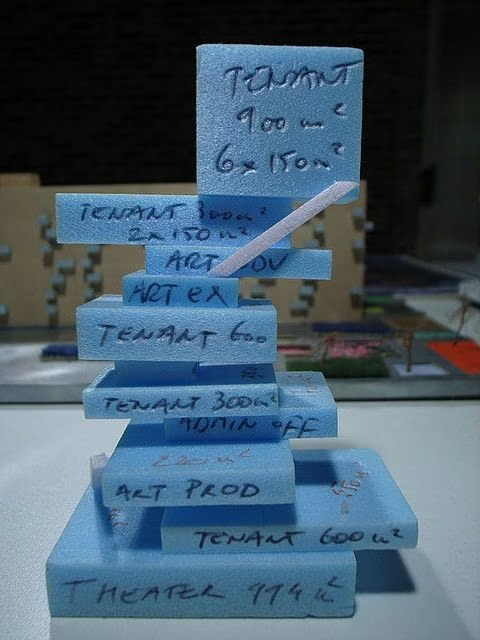
MODELA selective abstraction of something real — the thing, at rest.
vs
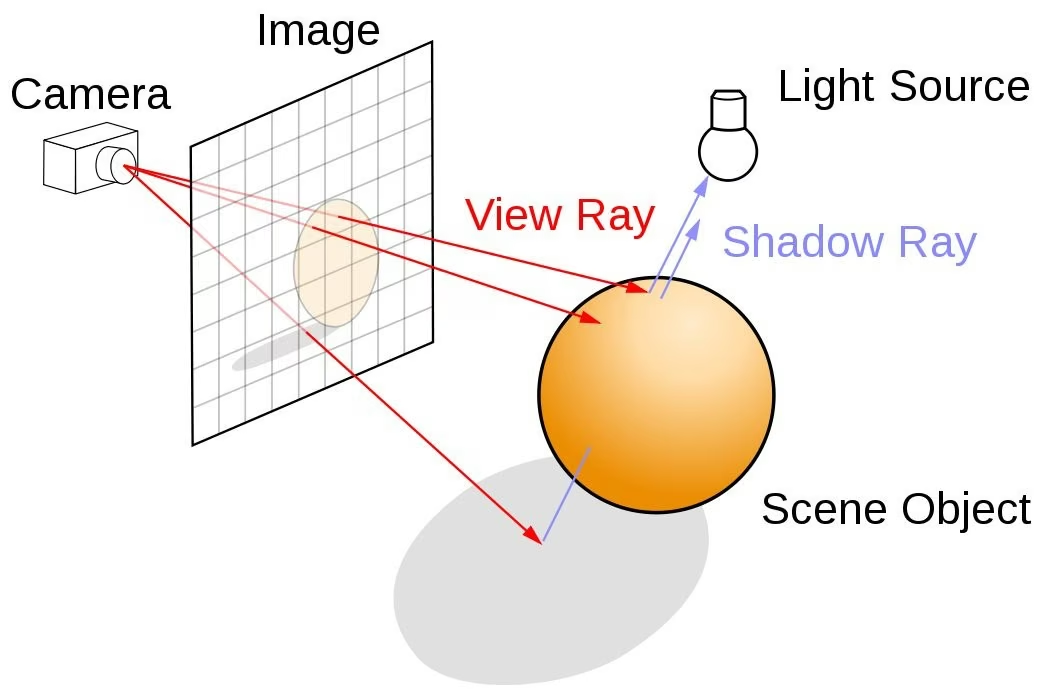
SIMULATIONThe model put in motion under a set of rules — the thing, running.
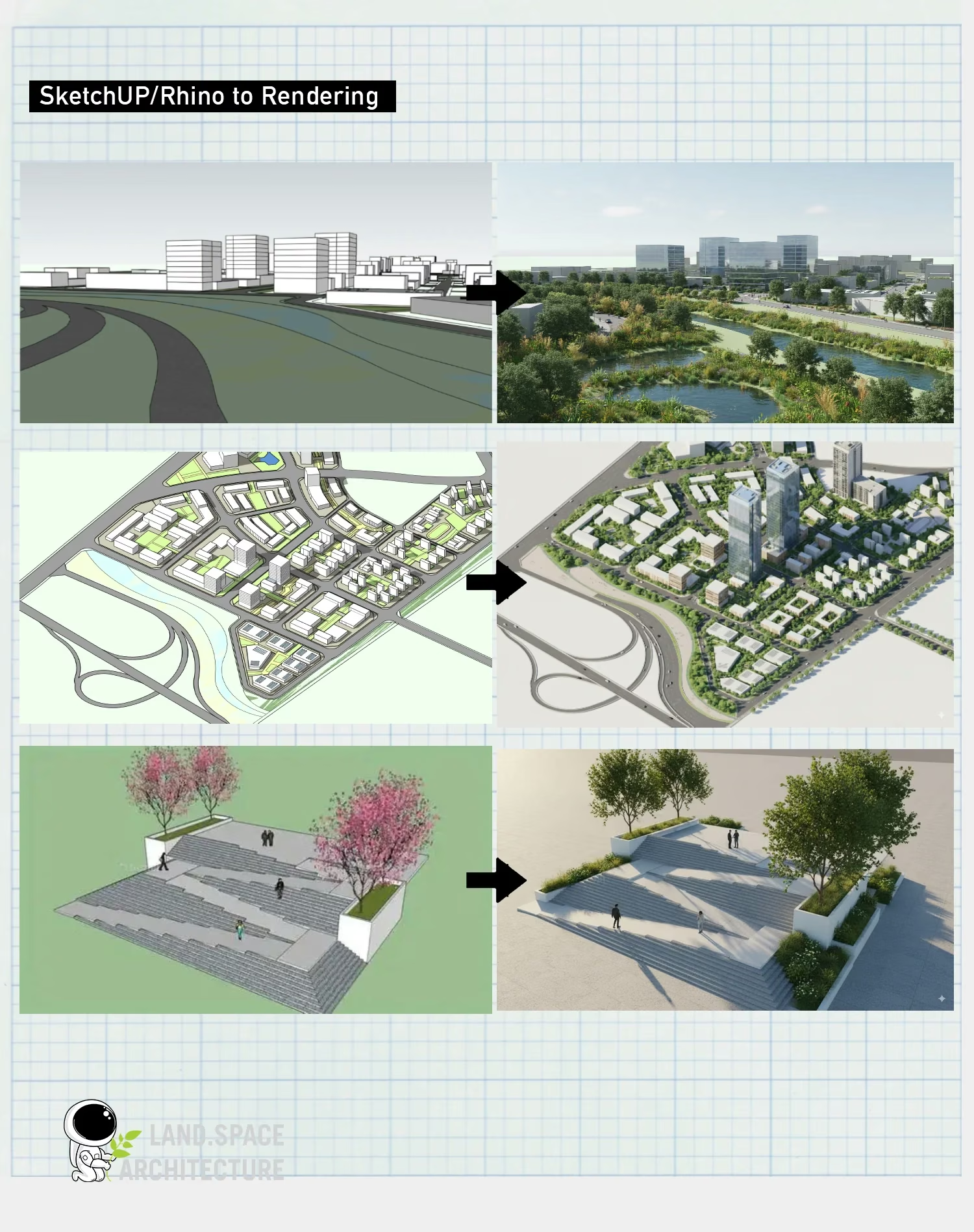
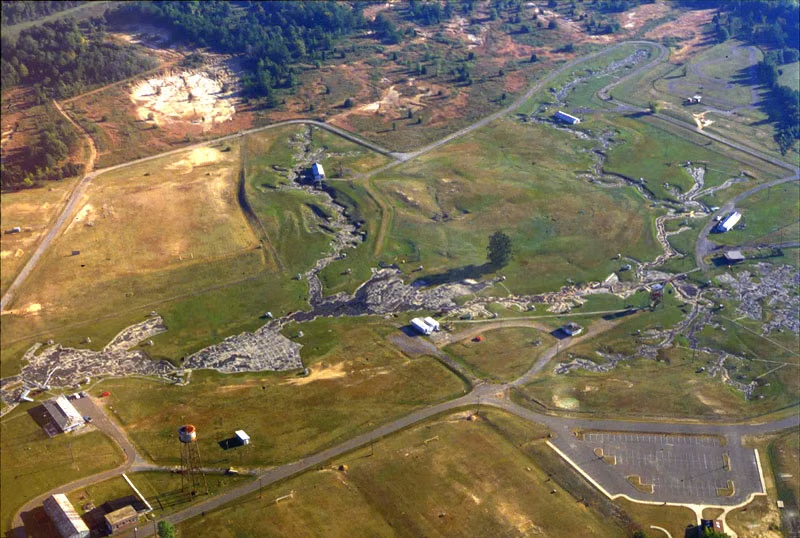
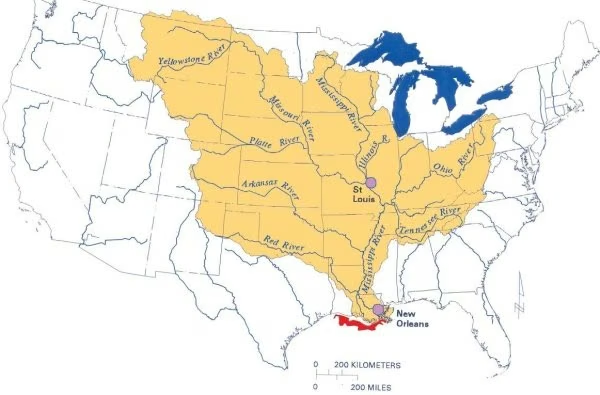
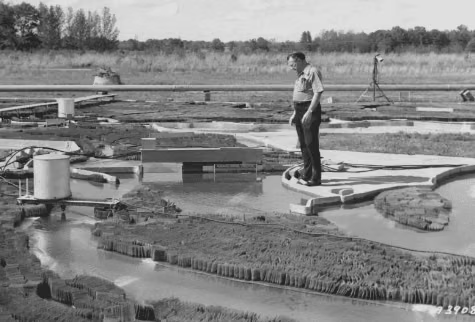
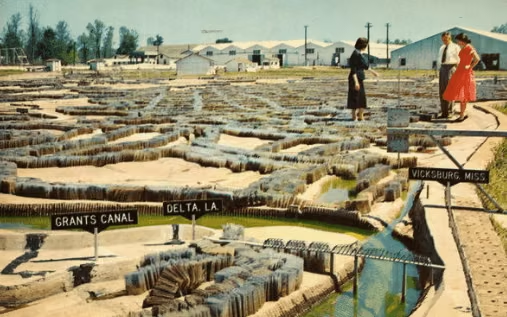
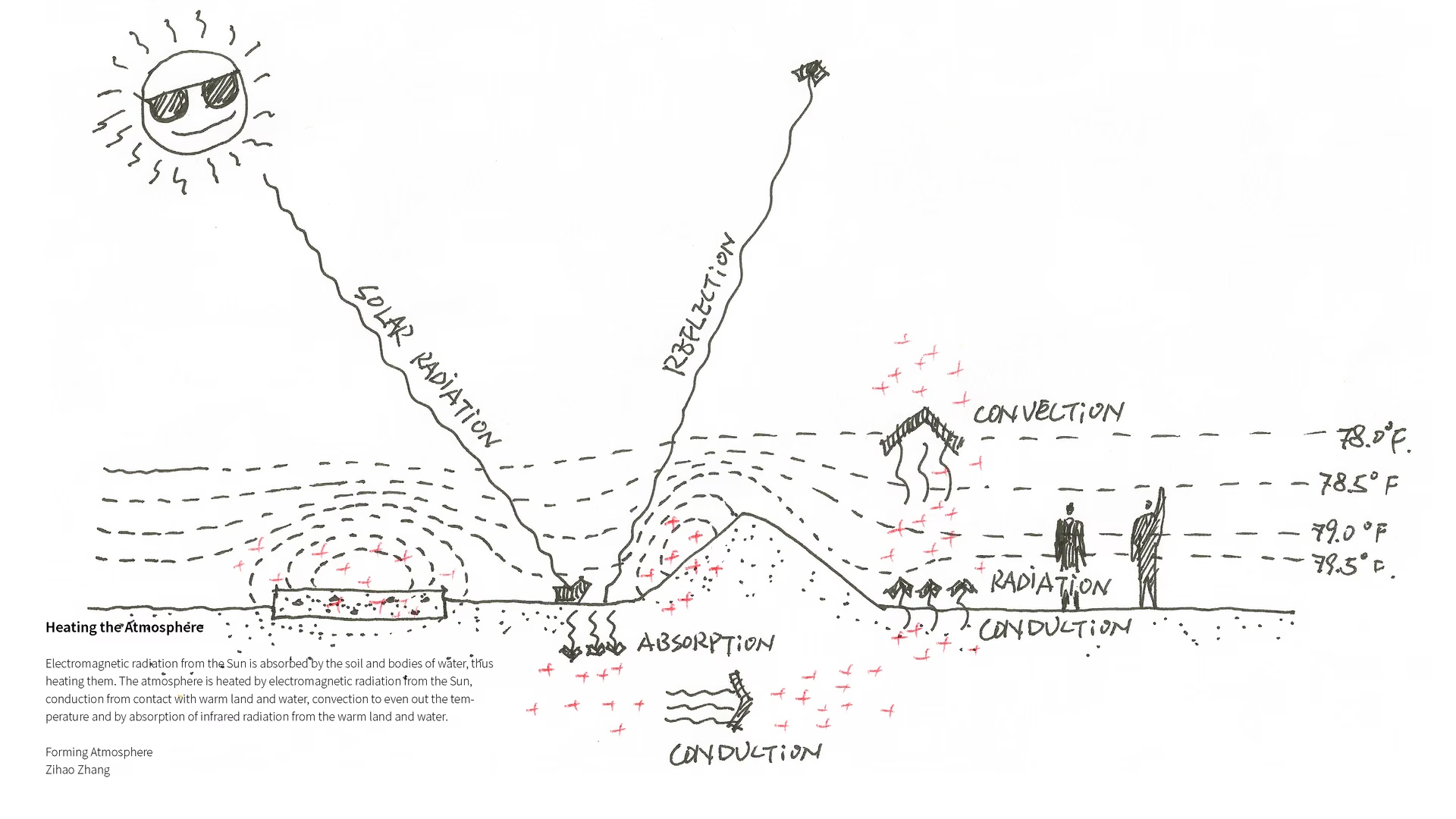
From a physical simulation to a mathematical one
the hinge — same job, new substrate
Part I
What a model is
Part II
What we model, why & what for
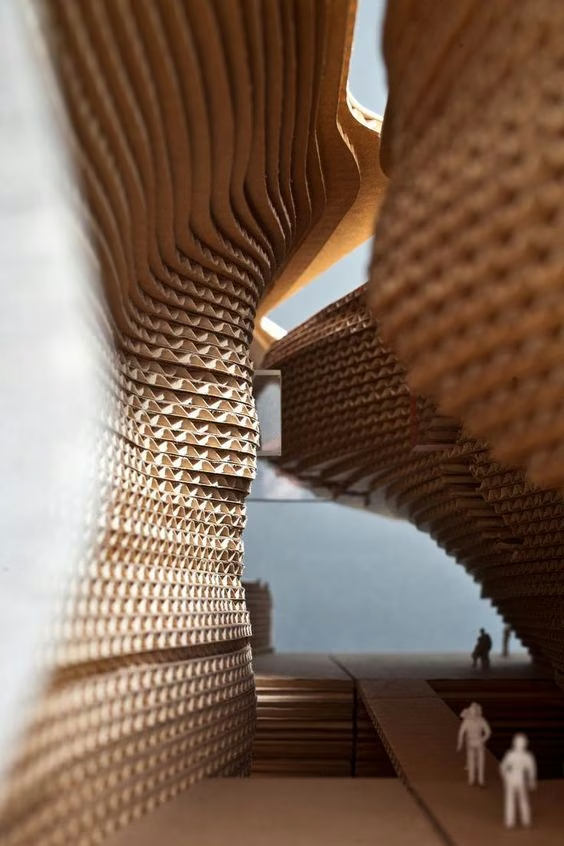
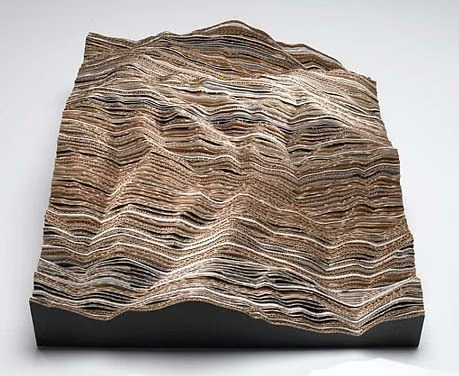
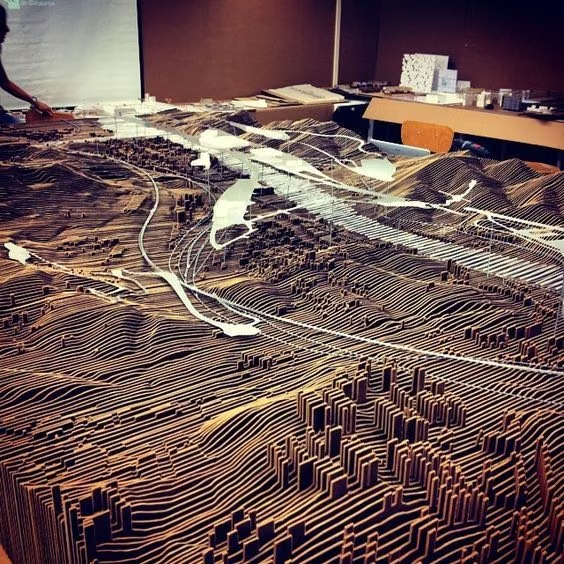
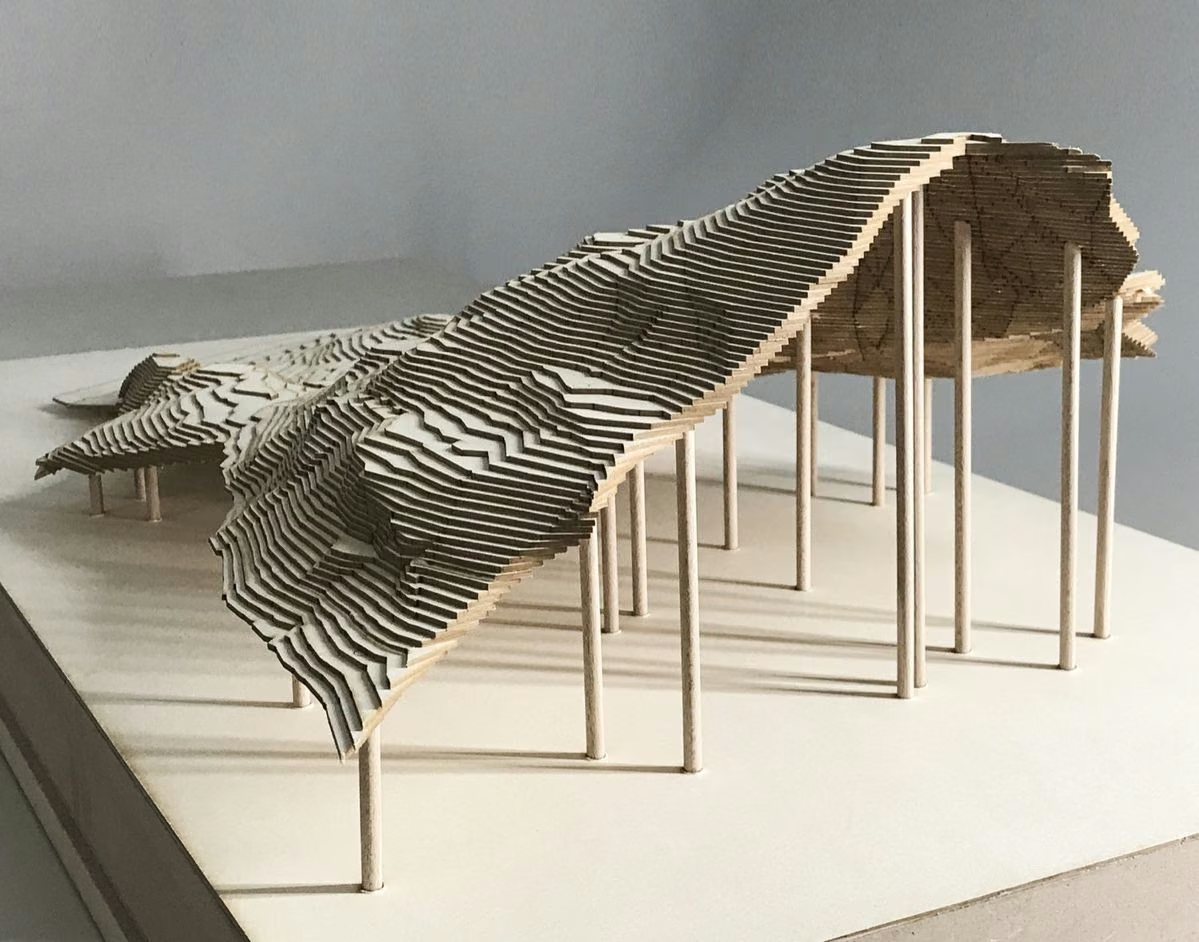
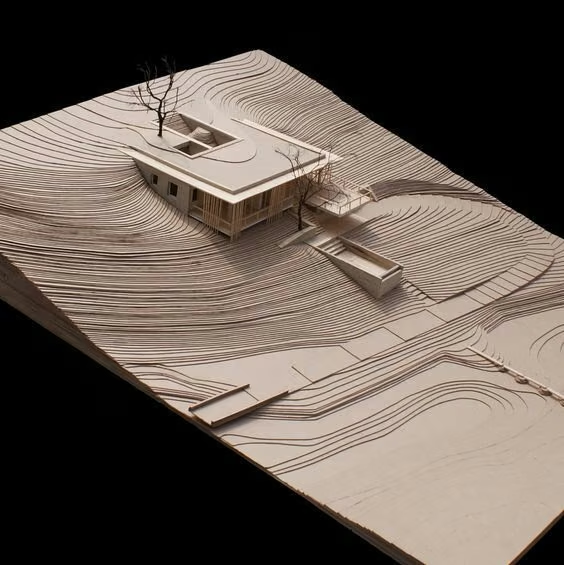
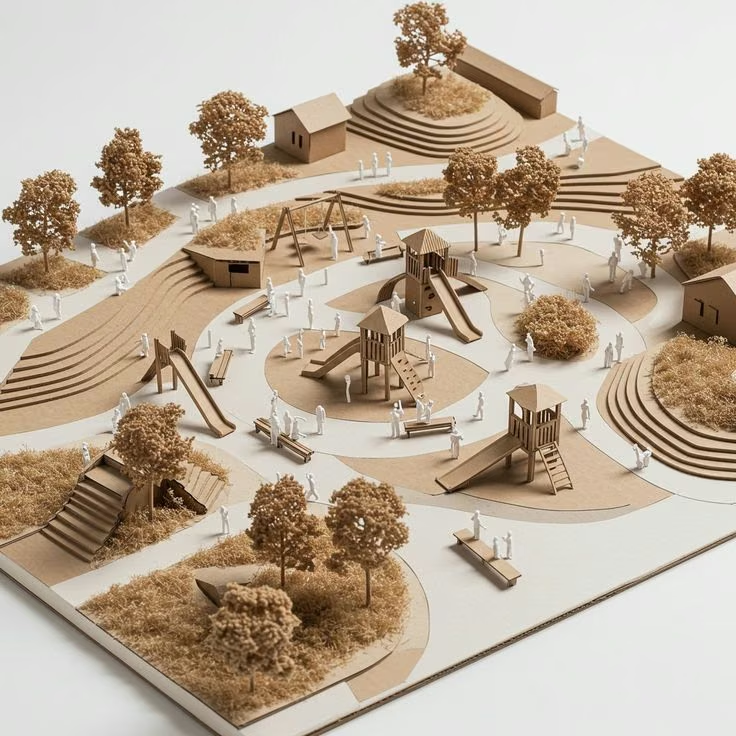
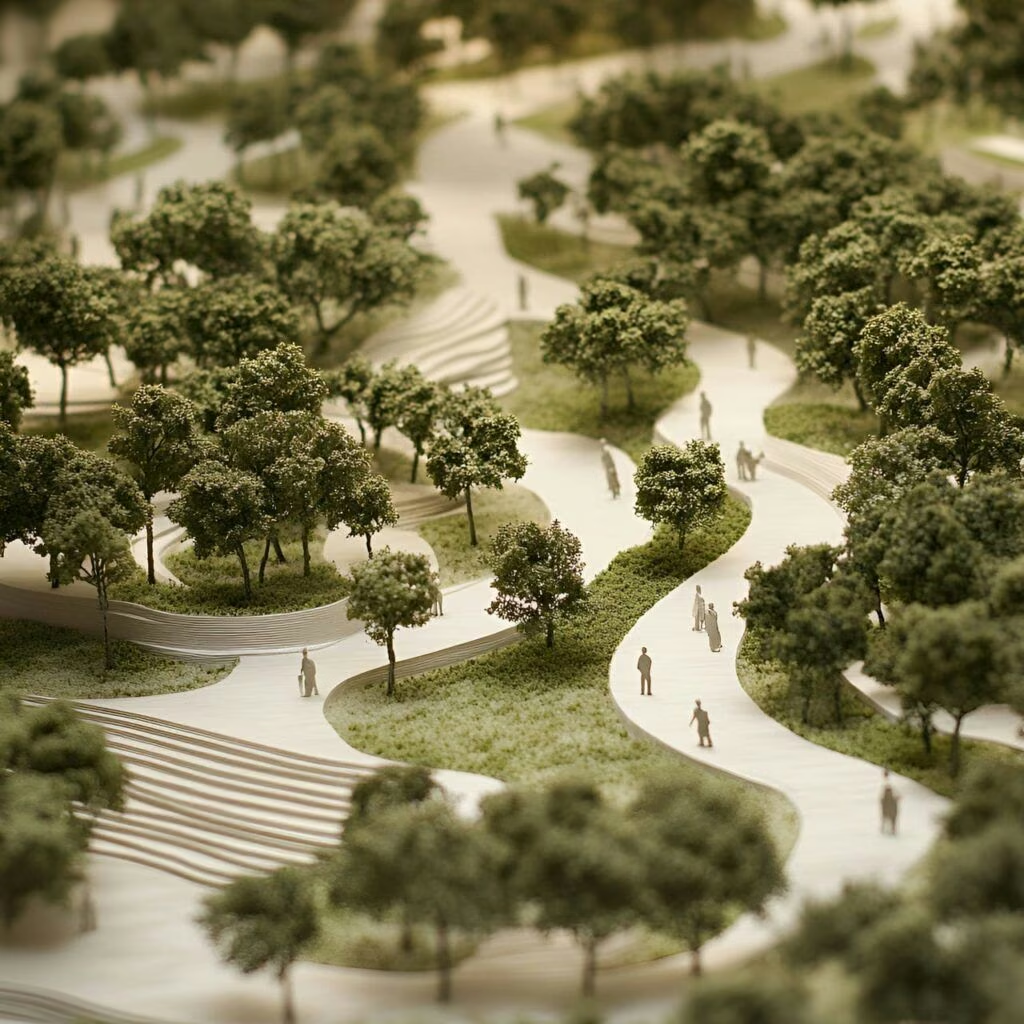
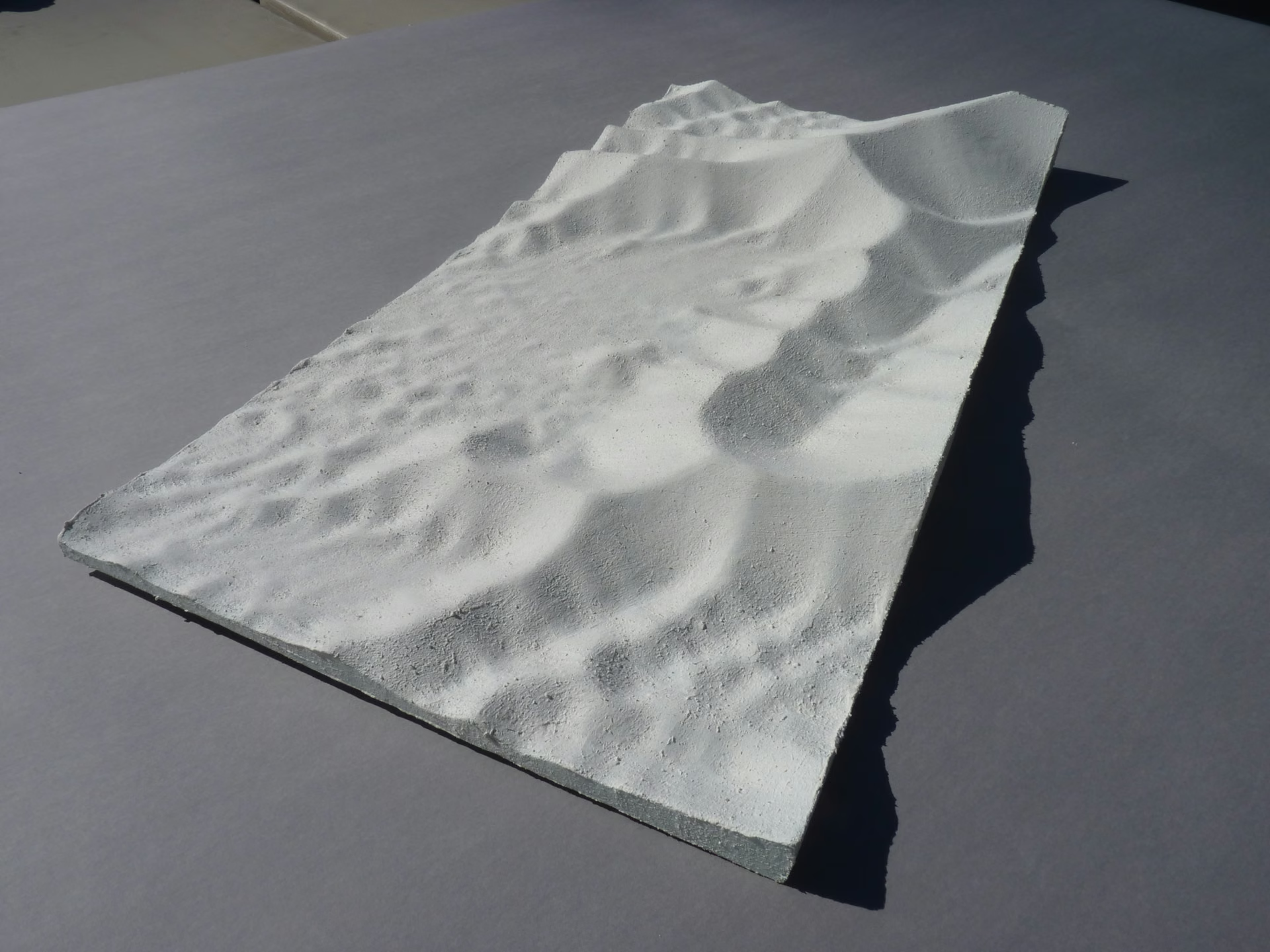
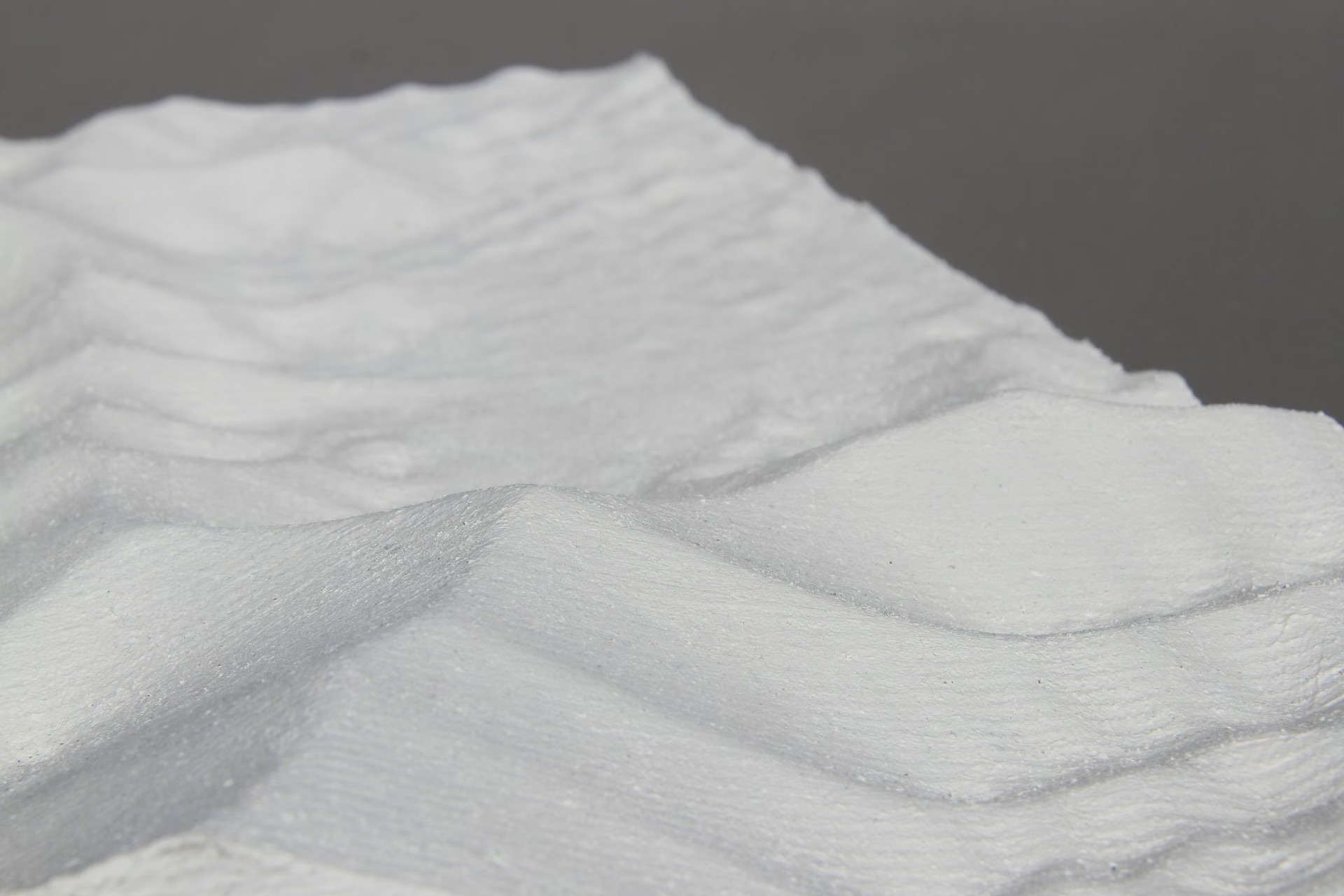
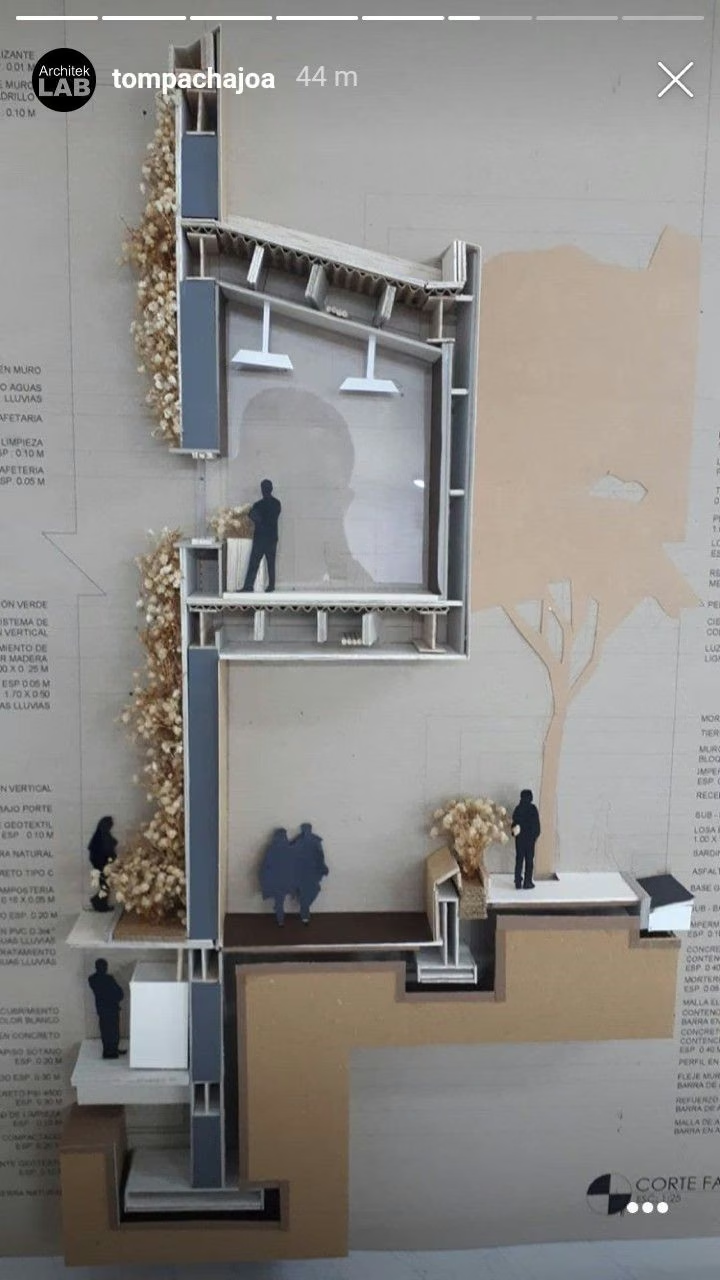
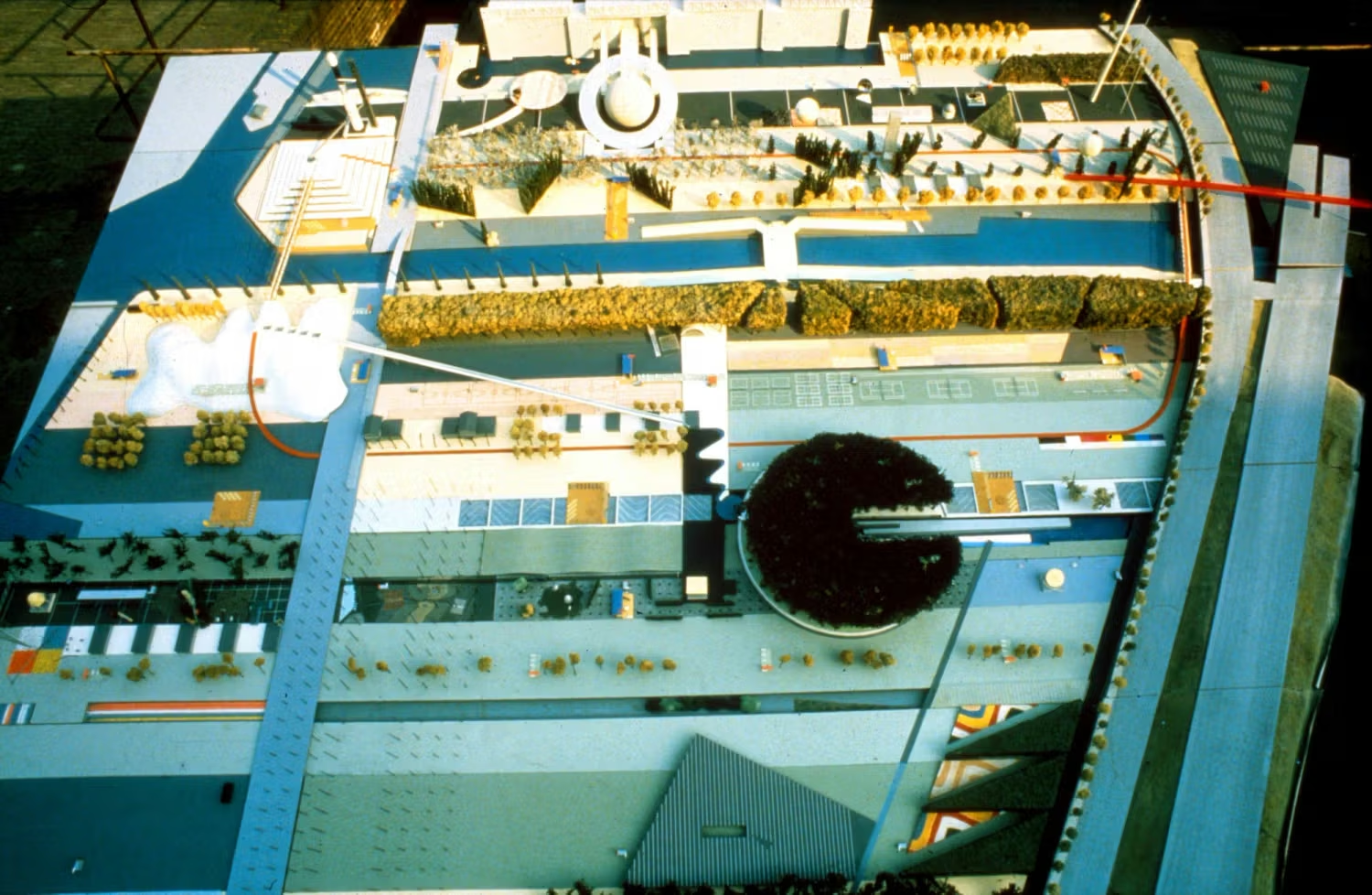
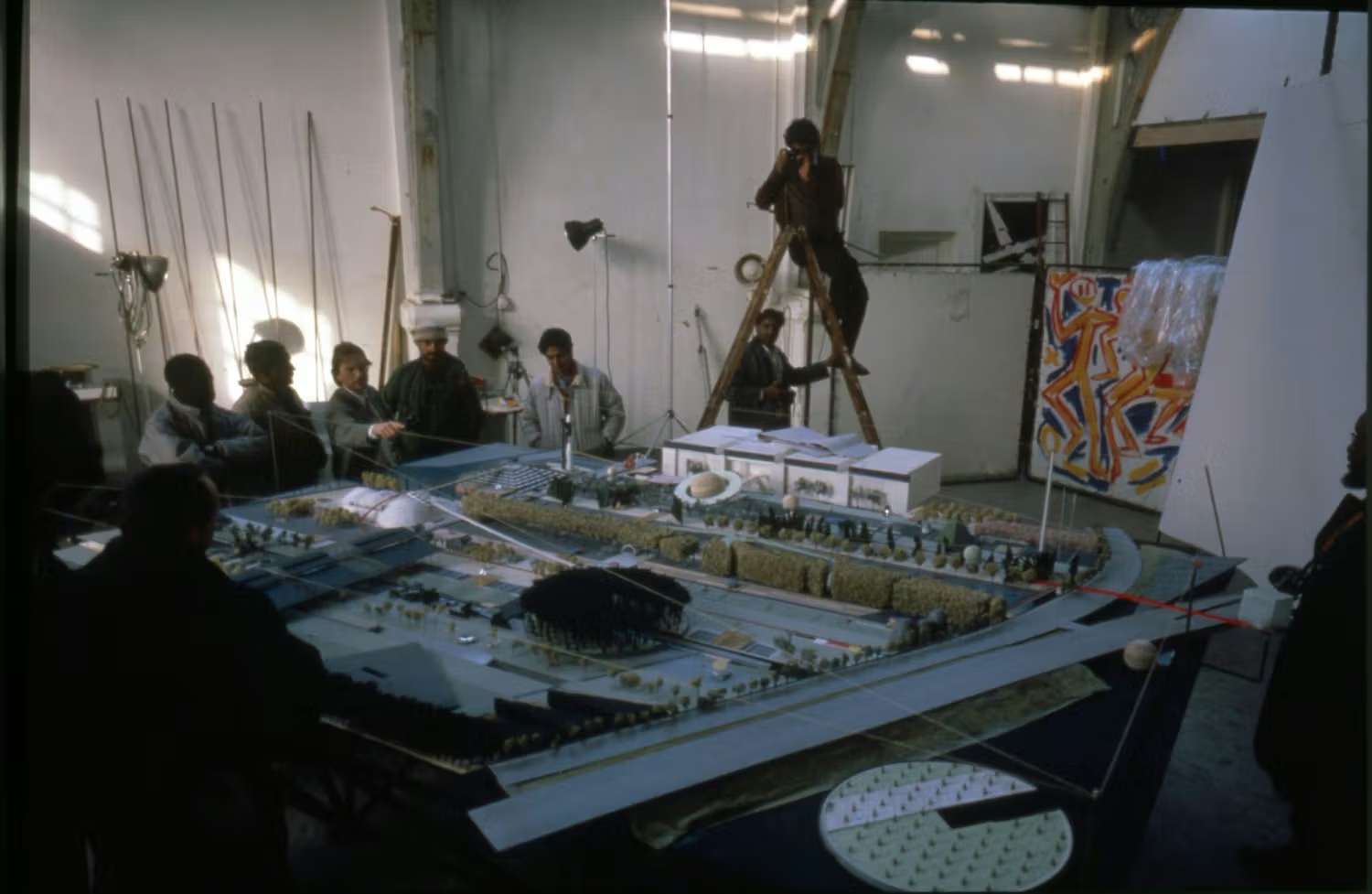
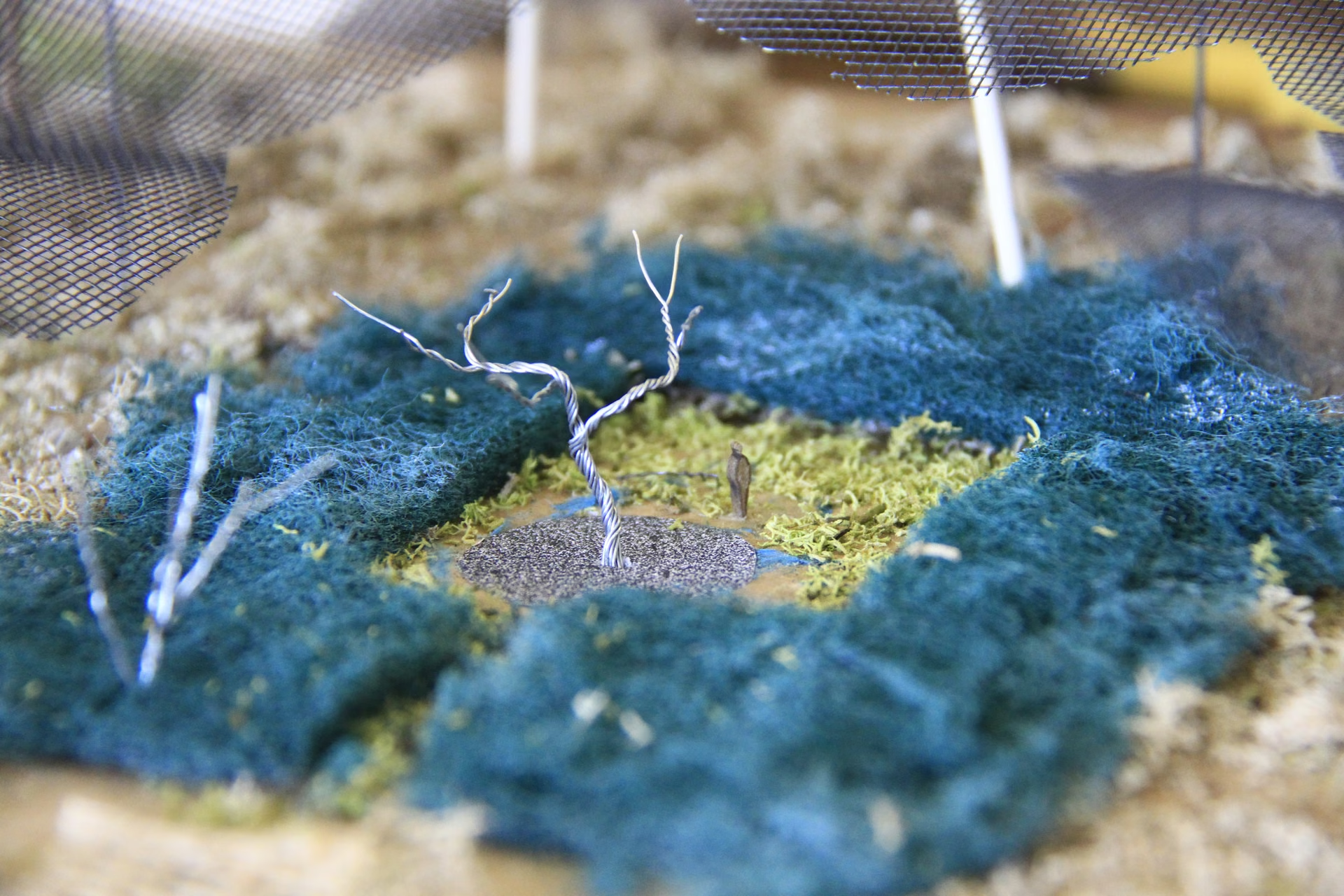
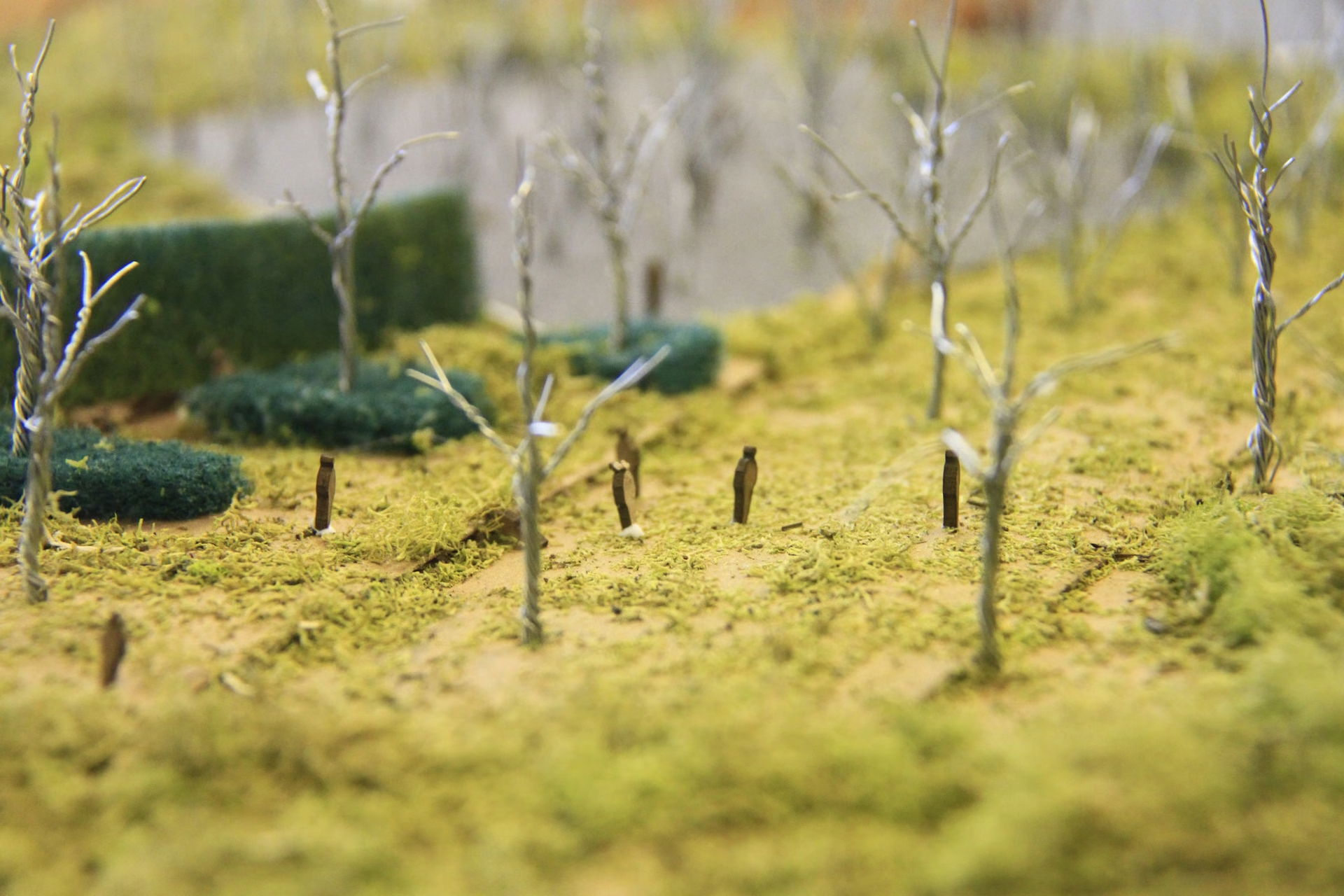
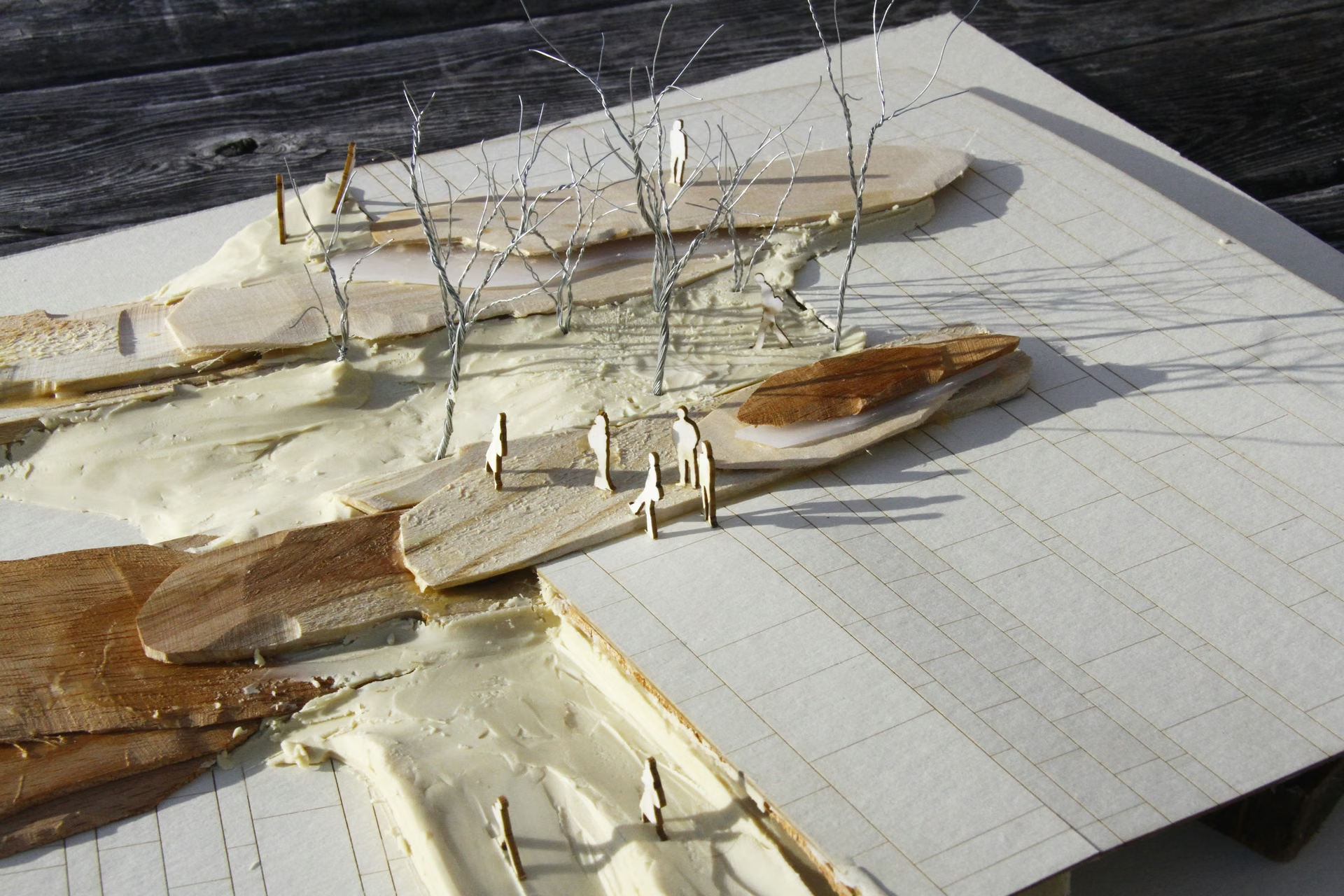
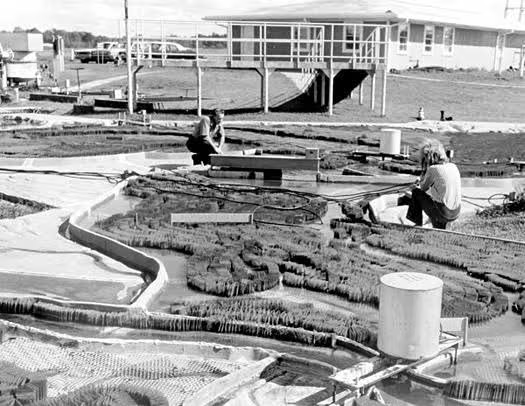
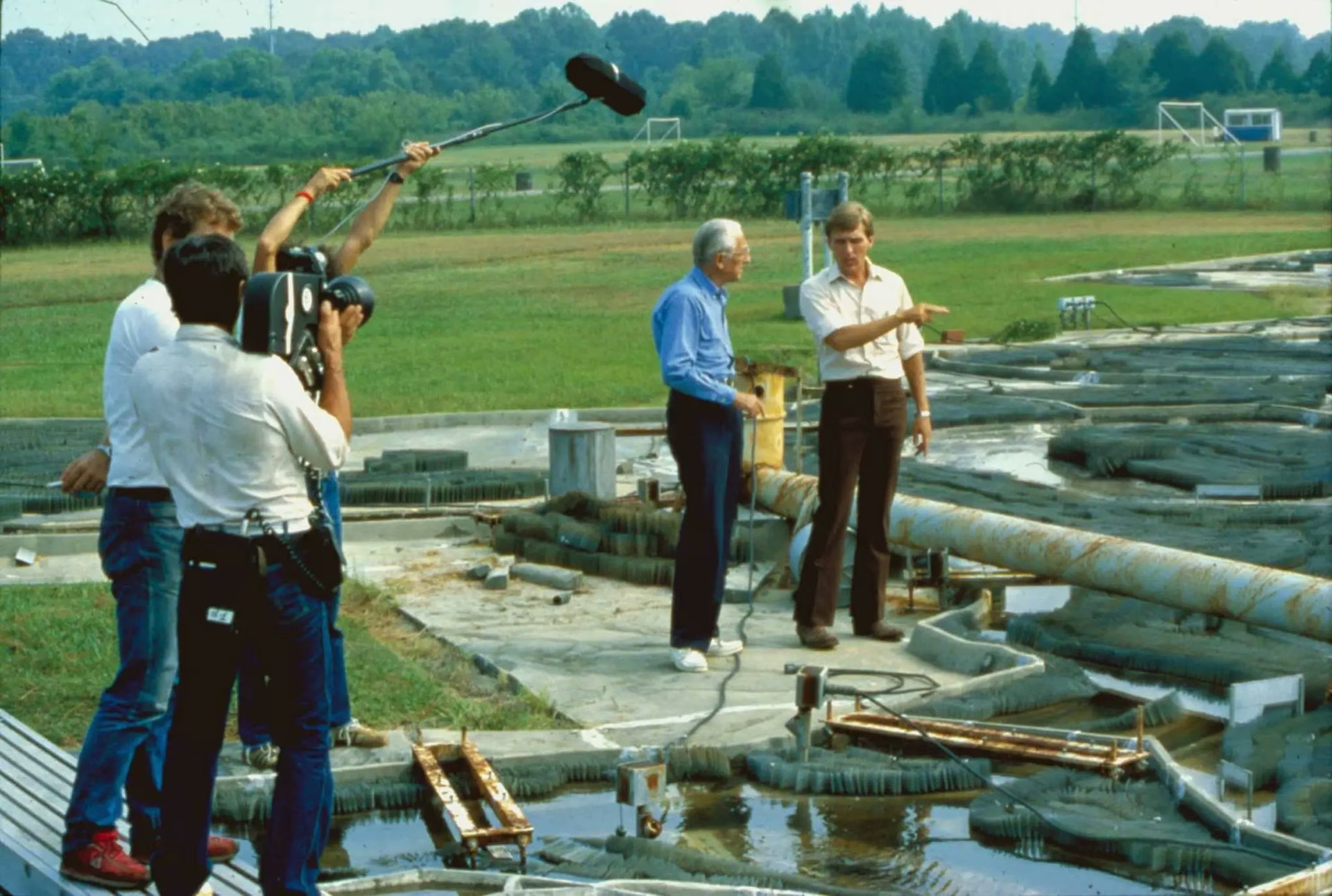
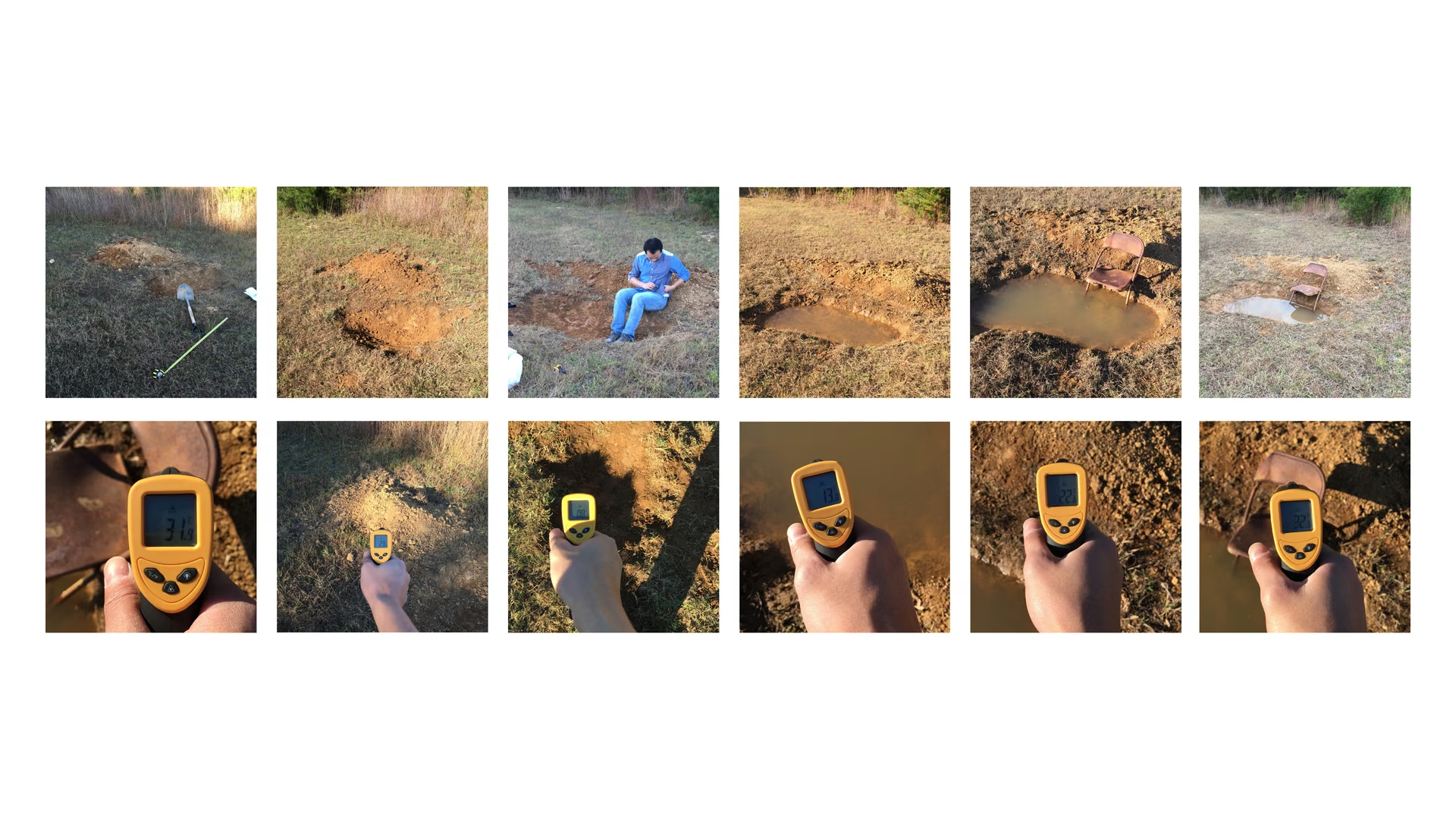
A · Physical / scale
How does it feel, how does it read?
- Good for: experience, material, spatial pattern
- Weak for: measurement, computation
- Reach when: “does it work as a space?”
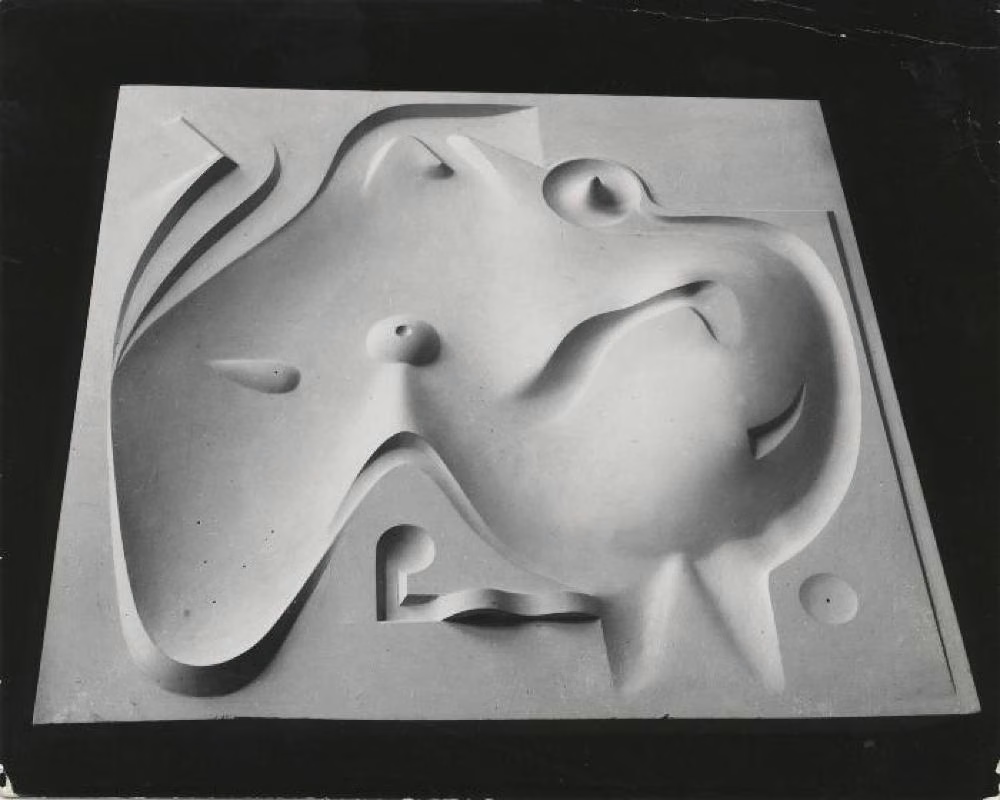
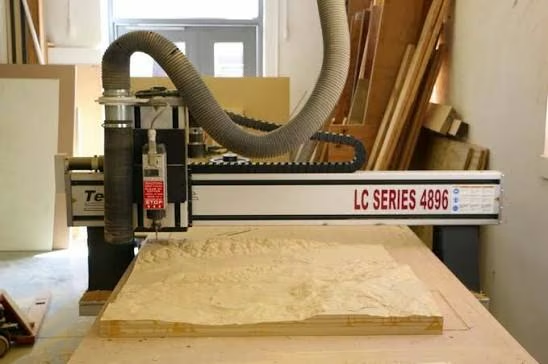
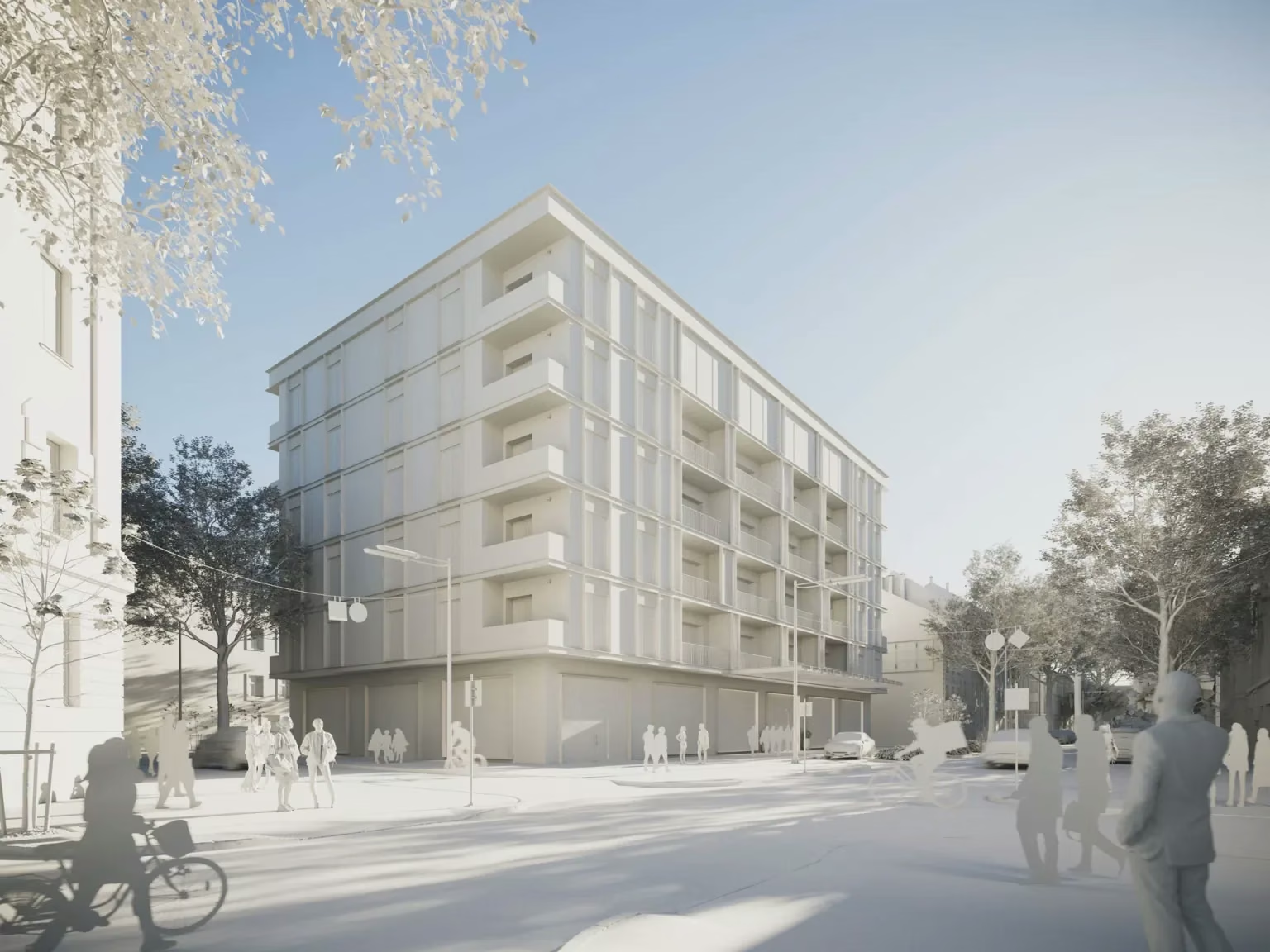
B · Digital 3D / geometric
What is the exact form & dimension?
- Good for: exact form, dimension, fit
- Cost: slow; tempts over-building
- Reach when: form is the question
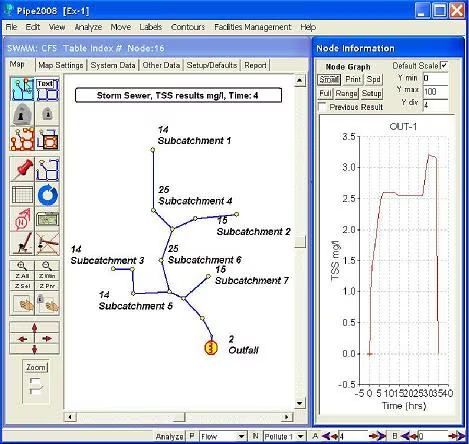
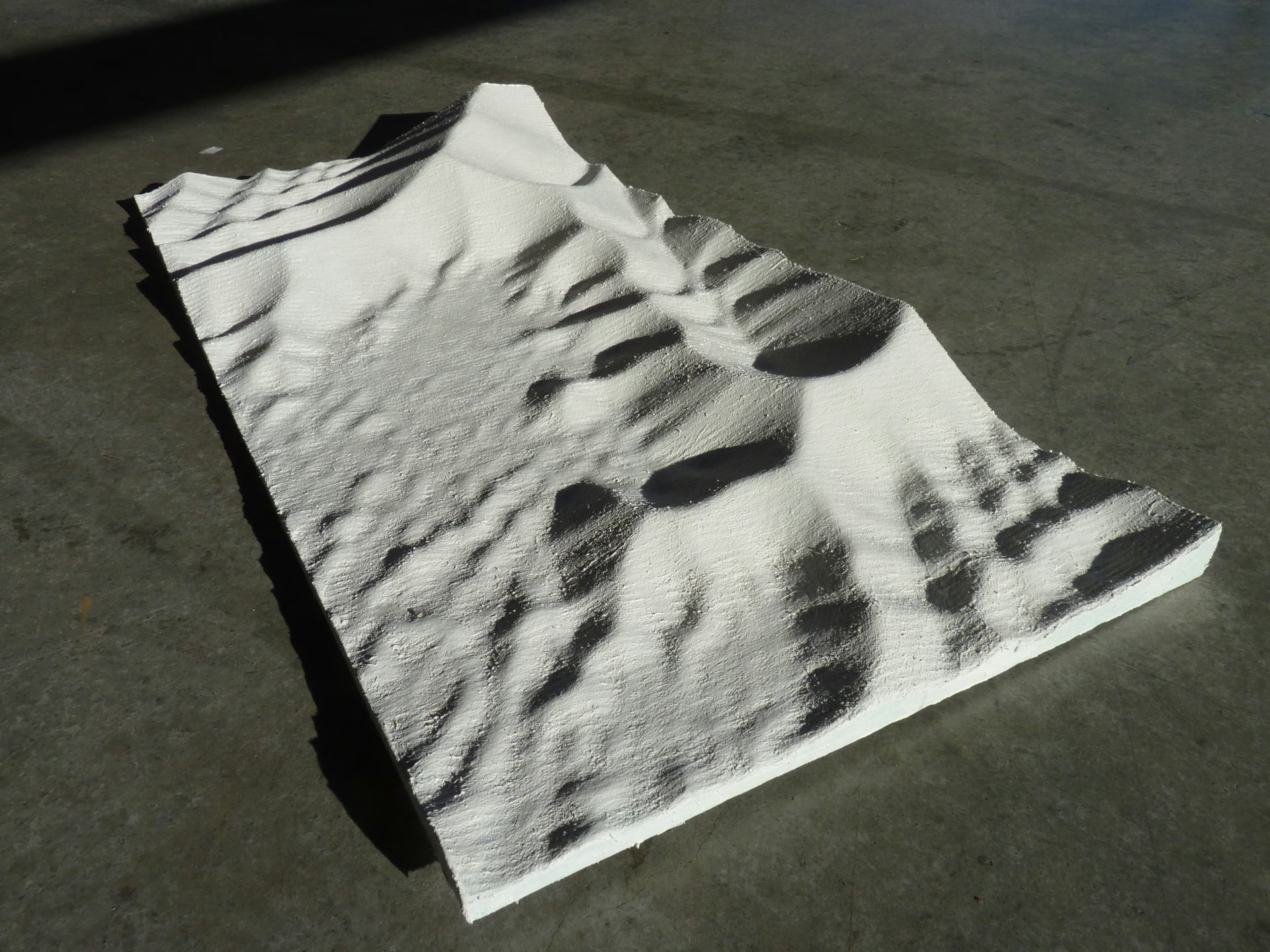
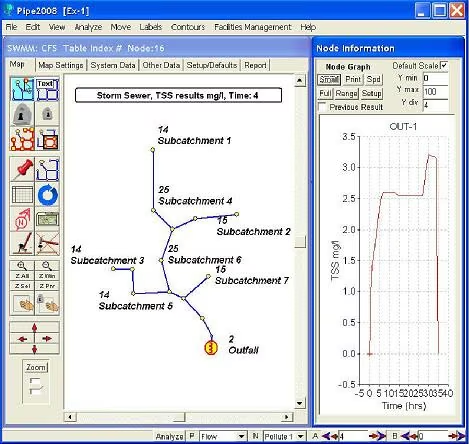
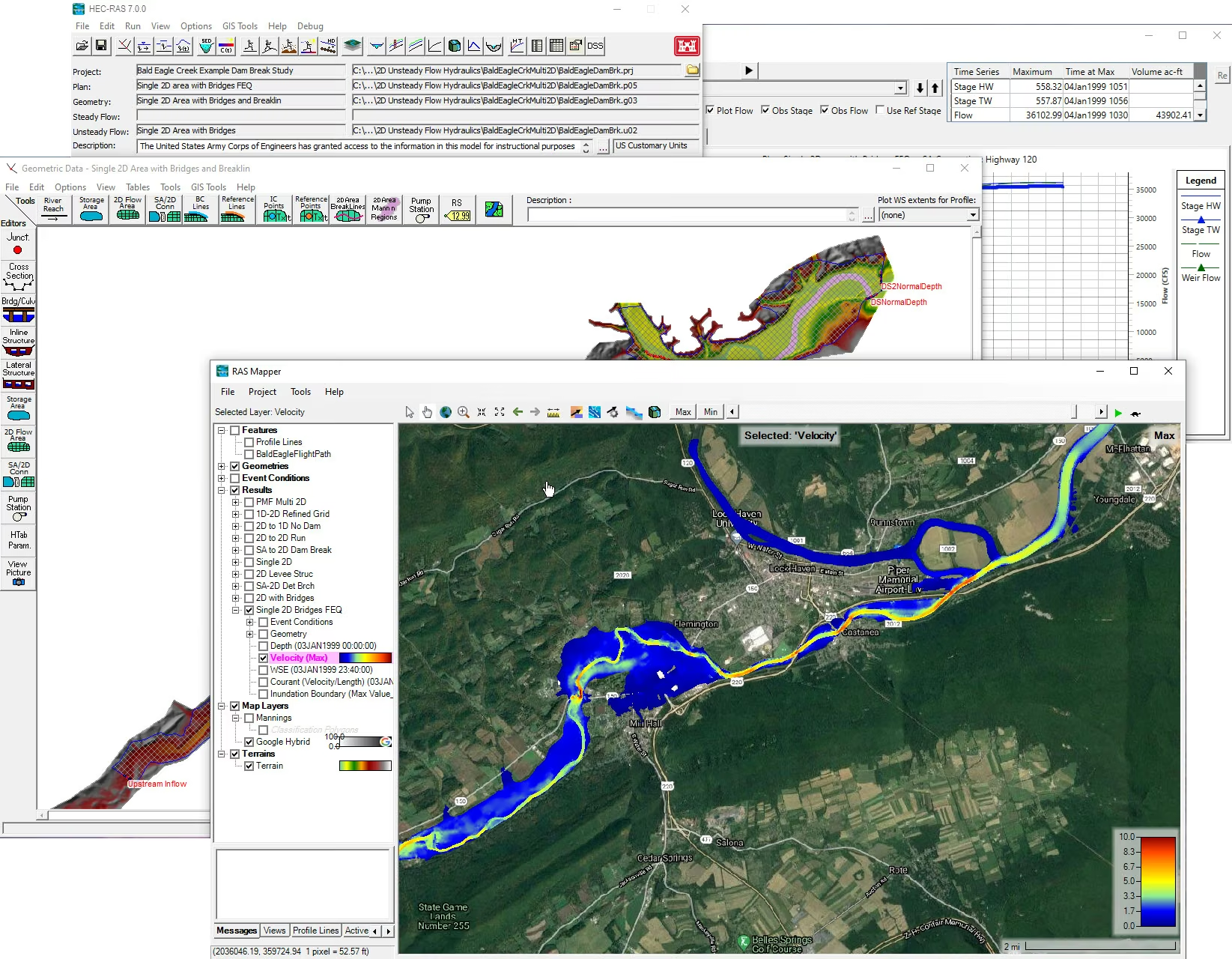
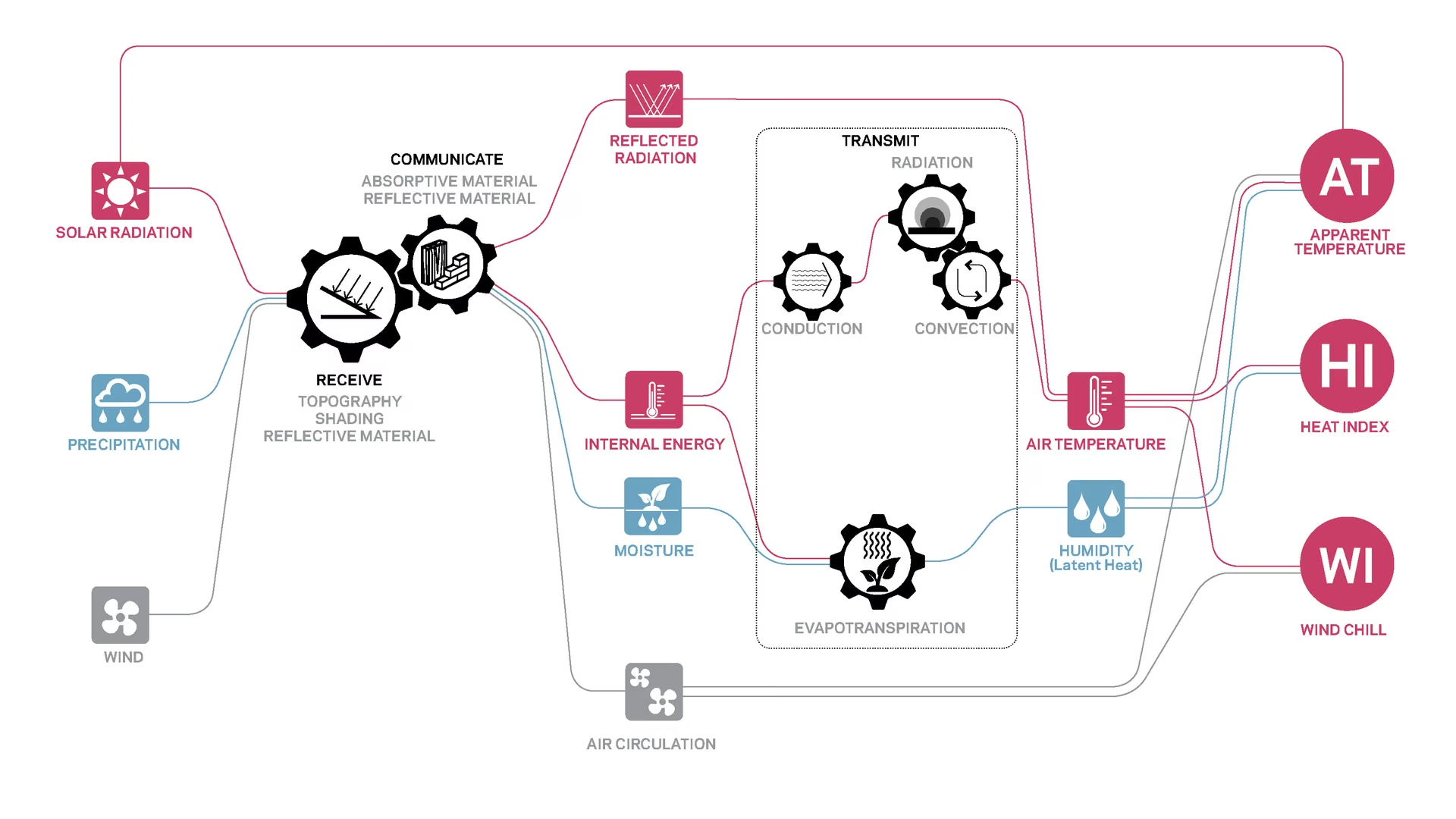
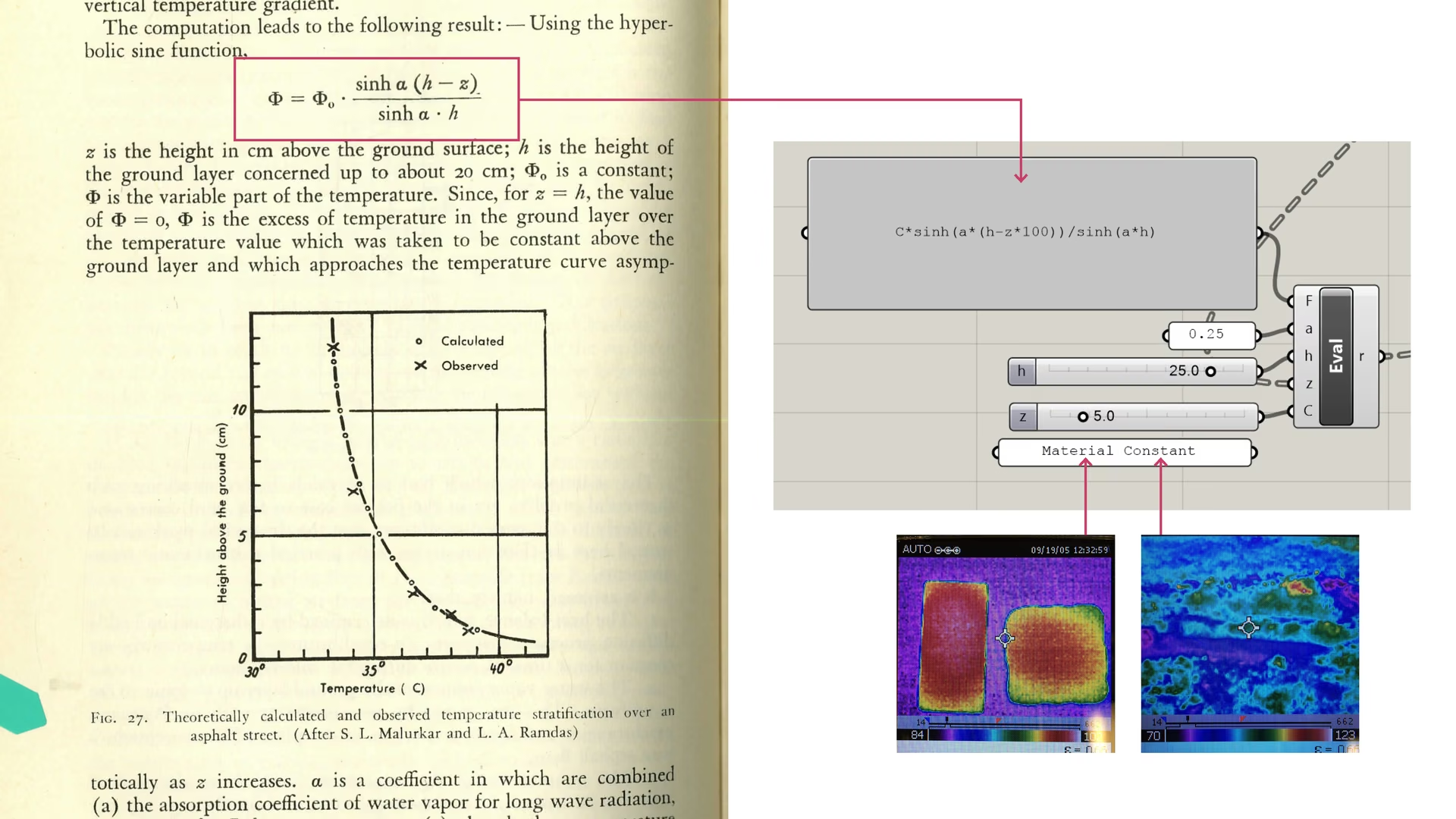
C · Mathematical / analytical
How does a system work?
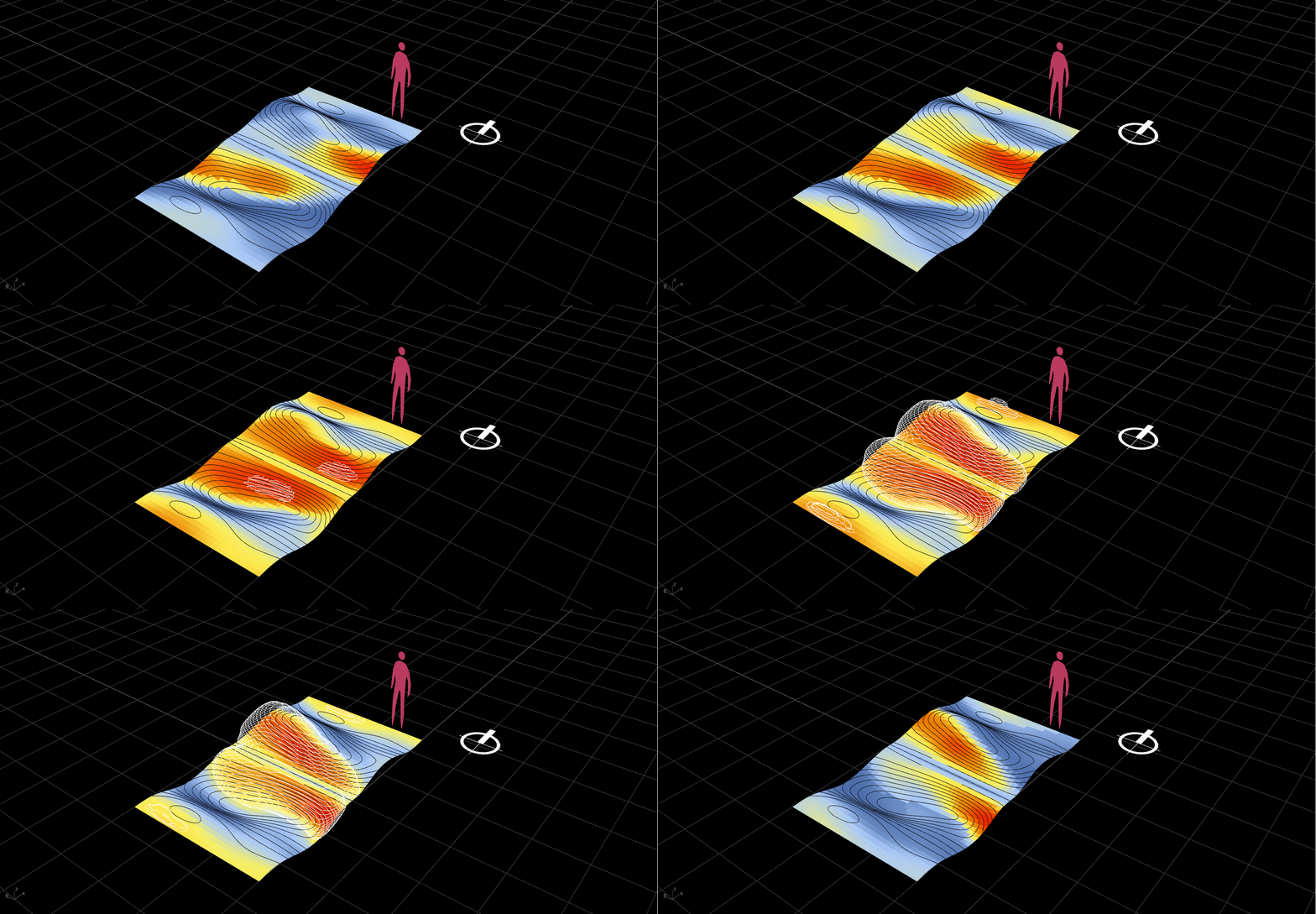
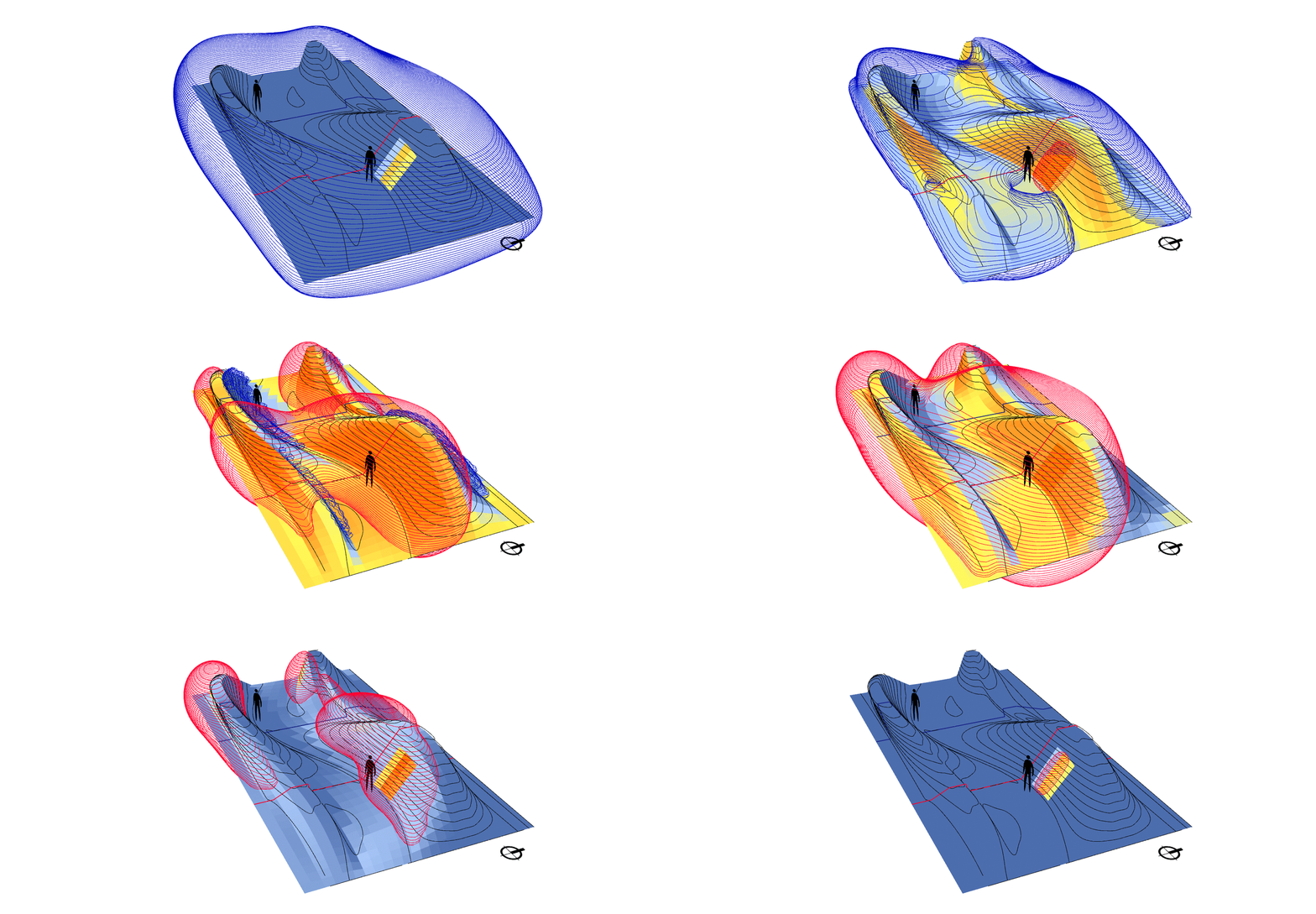
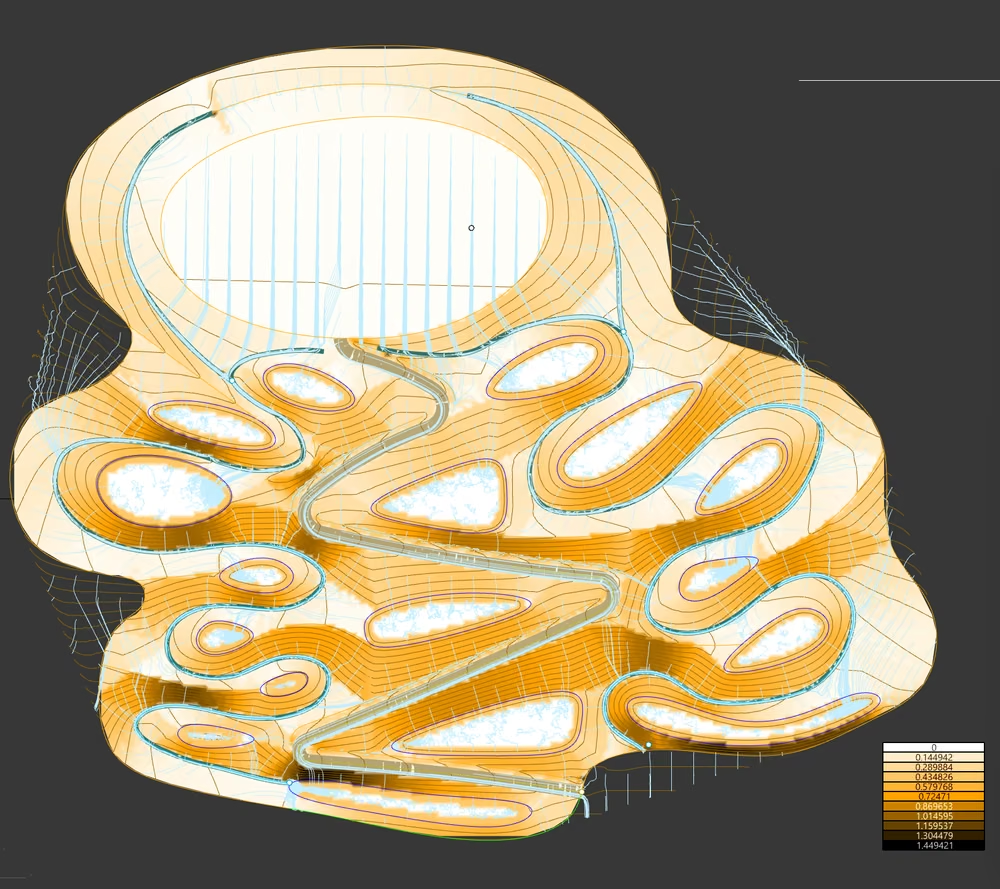
- Good for: behavior, patterns across a territory
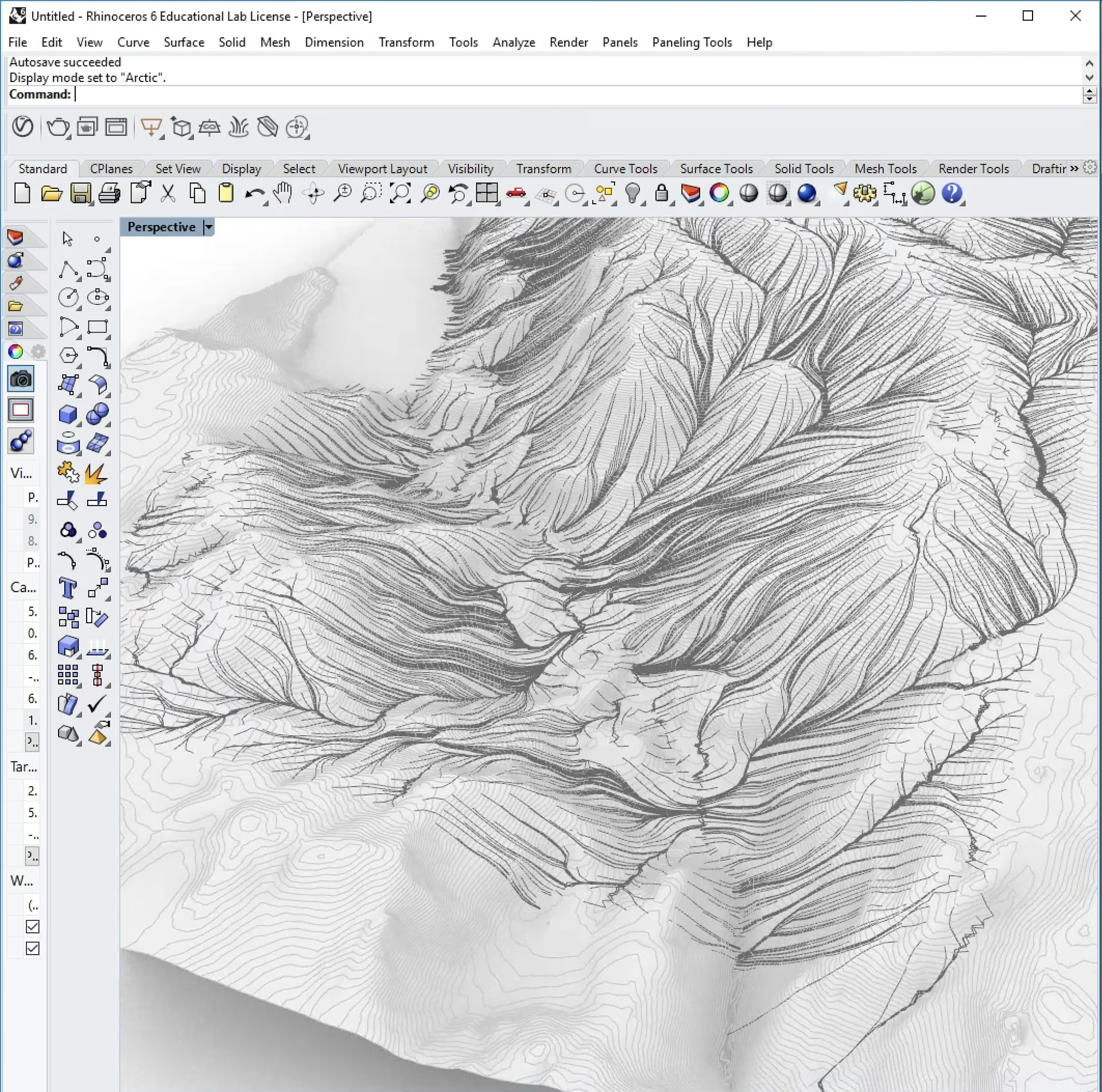
- A field of values, not a surface
- Same site, a different question
Fit the model to the question, not the tool you know.
Takeaway 2 · the question picks the model
When modeling betrays you
Techno-solutionism
The cost of a model is real.
But when it earns its cost, build it.
Takeaway 3 · build only when insight beats cost
A view plan + section can't
- Plan flattens height
- Section cuts one line
- 3D: the continuous ground, whole
The operations are logics
- Loft: blend between profiles
- Sweep: a section along a path
- Patch: fit through constraints
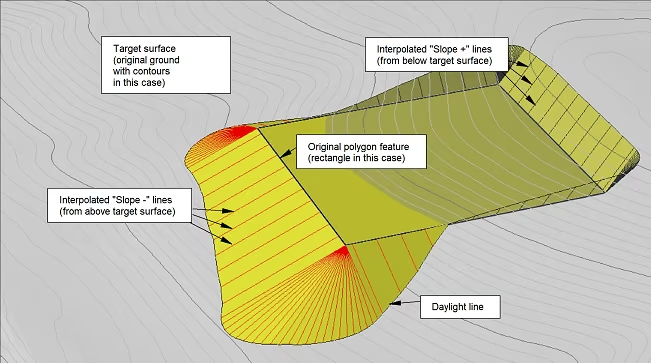
A curb is just a breakline
- Breakline: where the surface stops being smooth
- Smooth field → Patch
- Hard stop → Loft a face
Choose the model for the question.
What you leave out is the argument.
Build only when it earns its cost.
Week 07 · three takeaways, really one