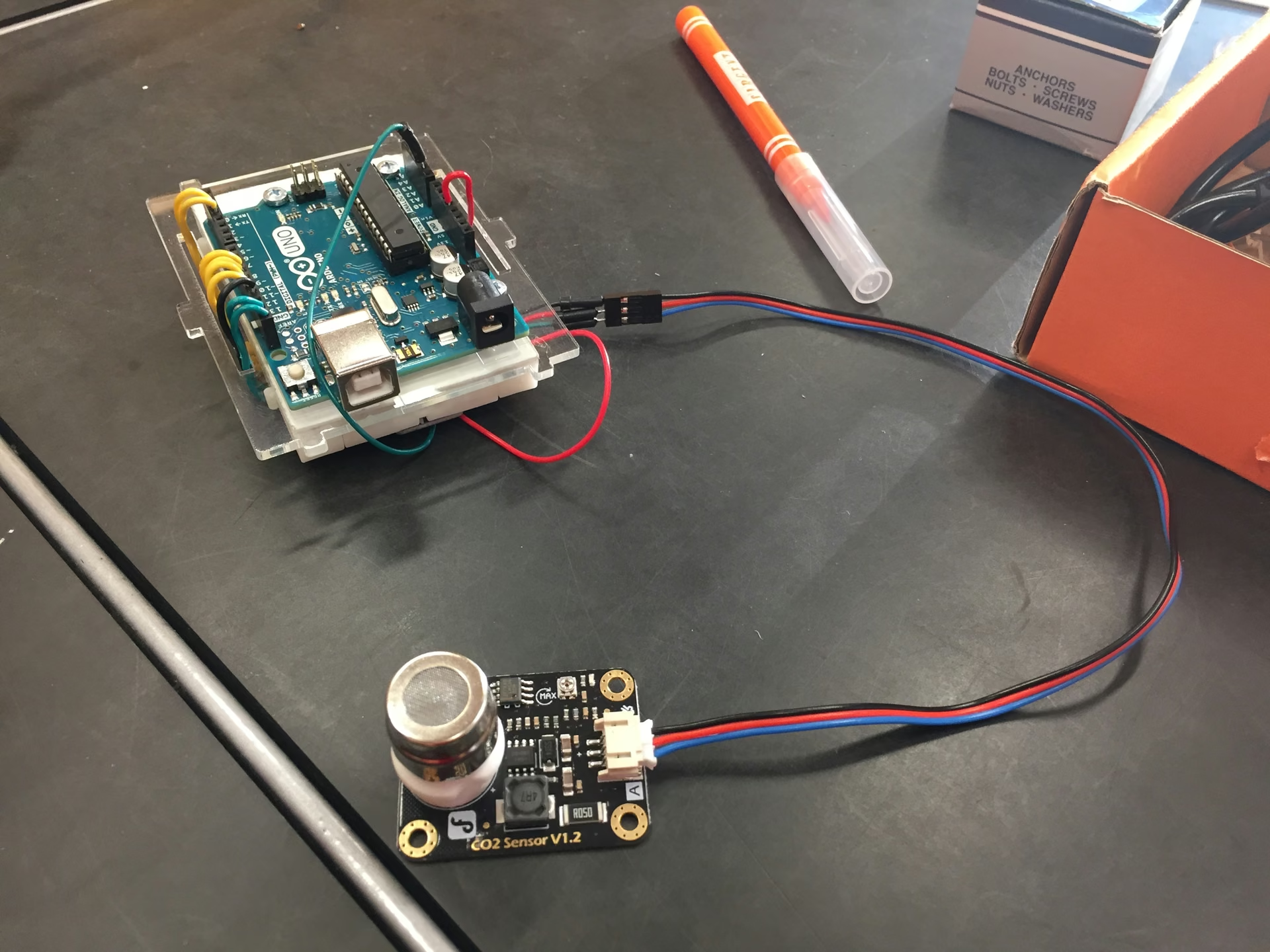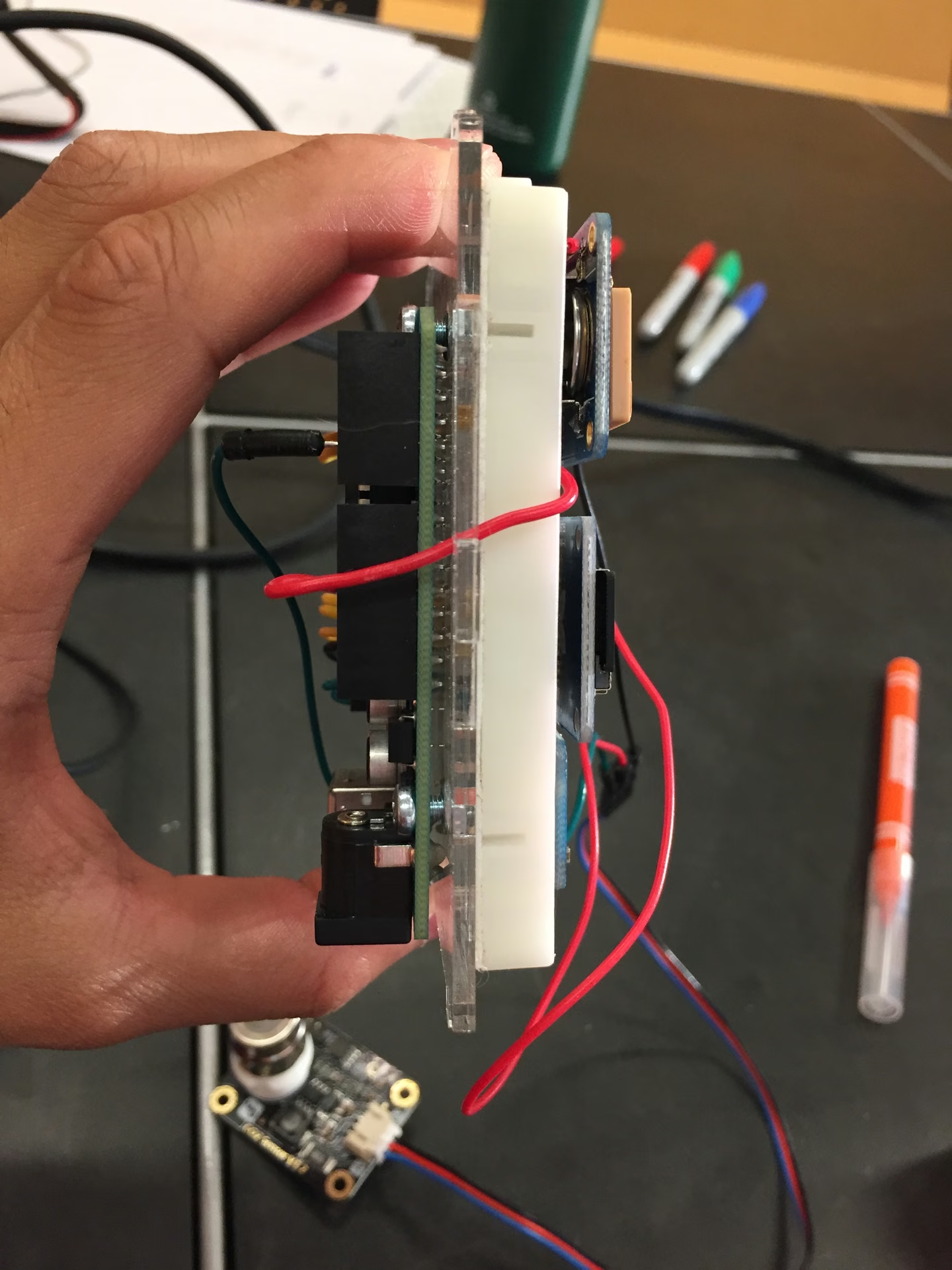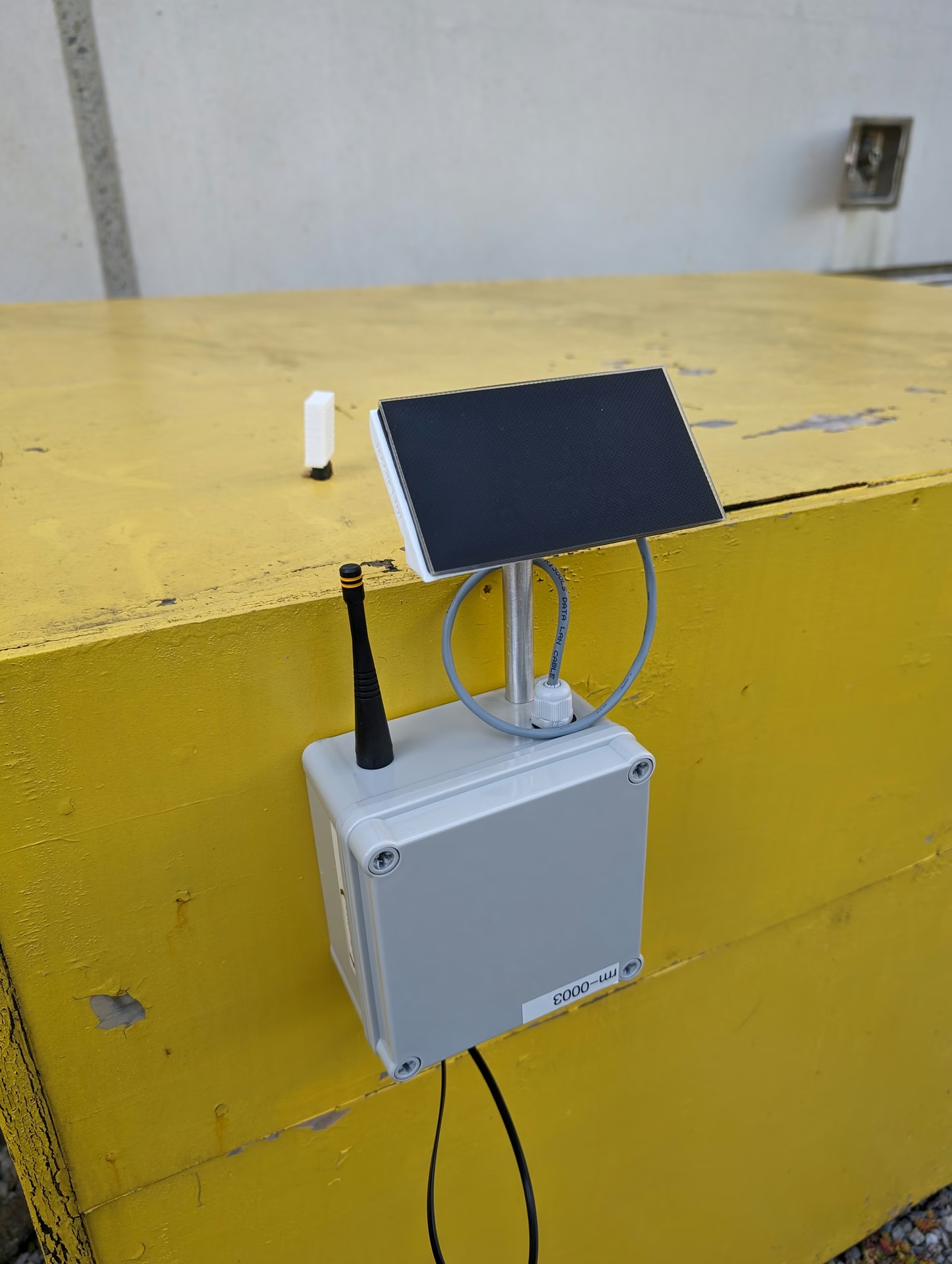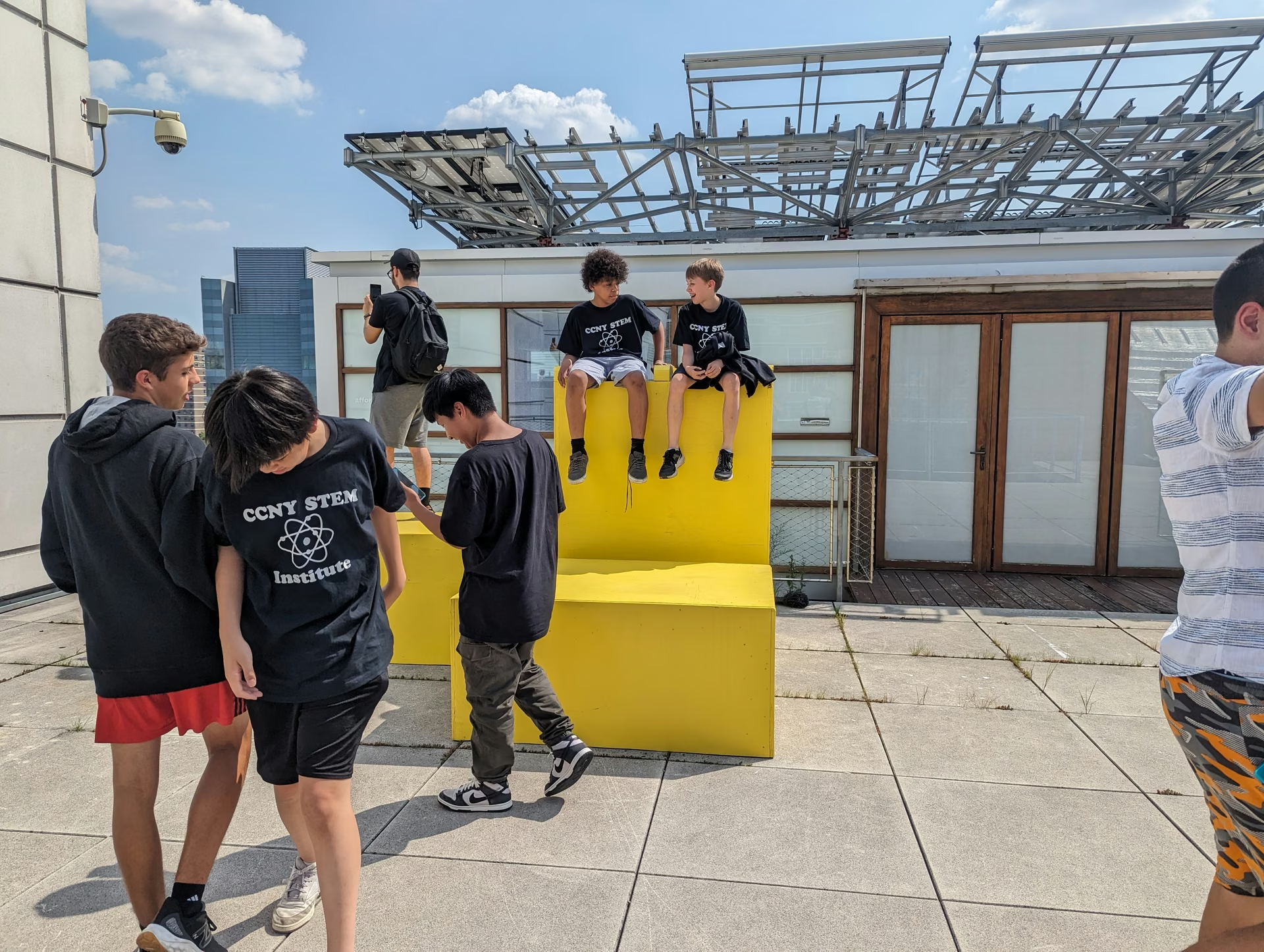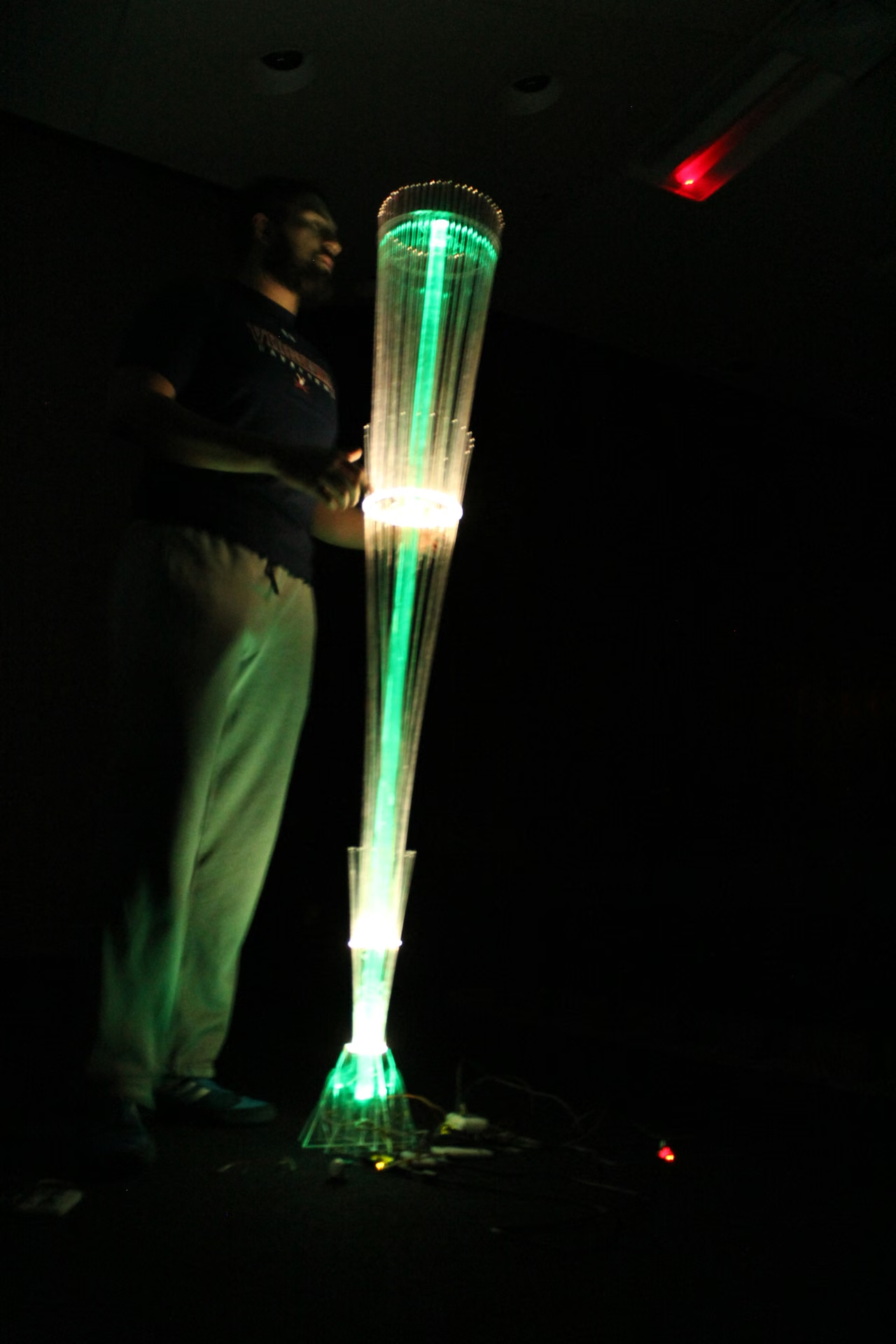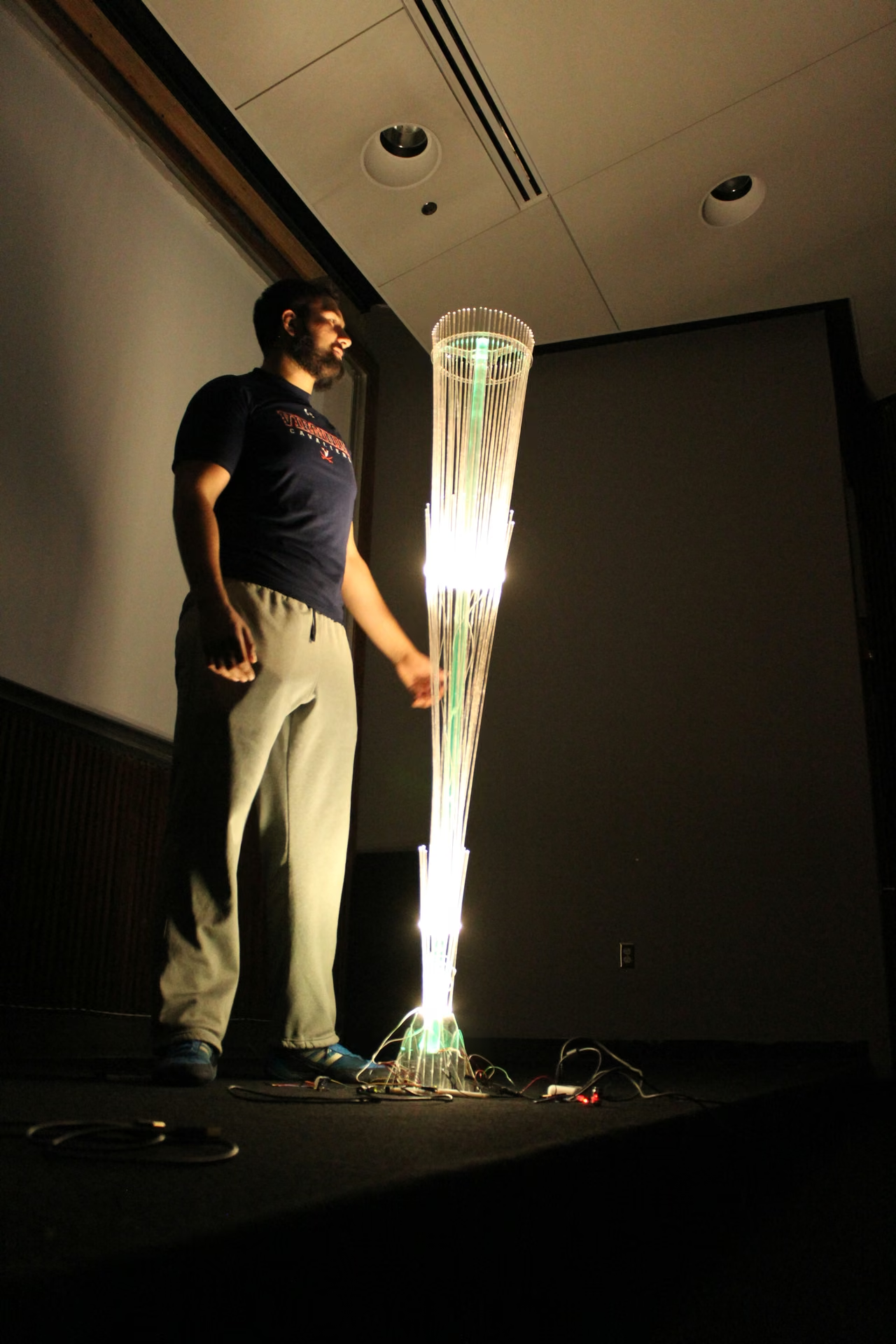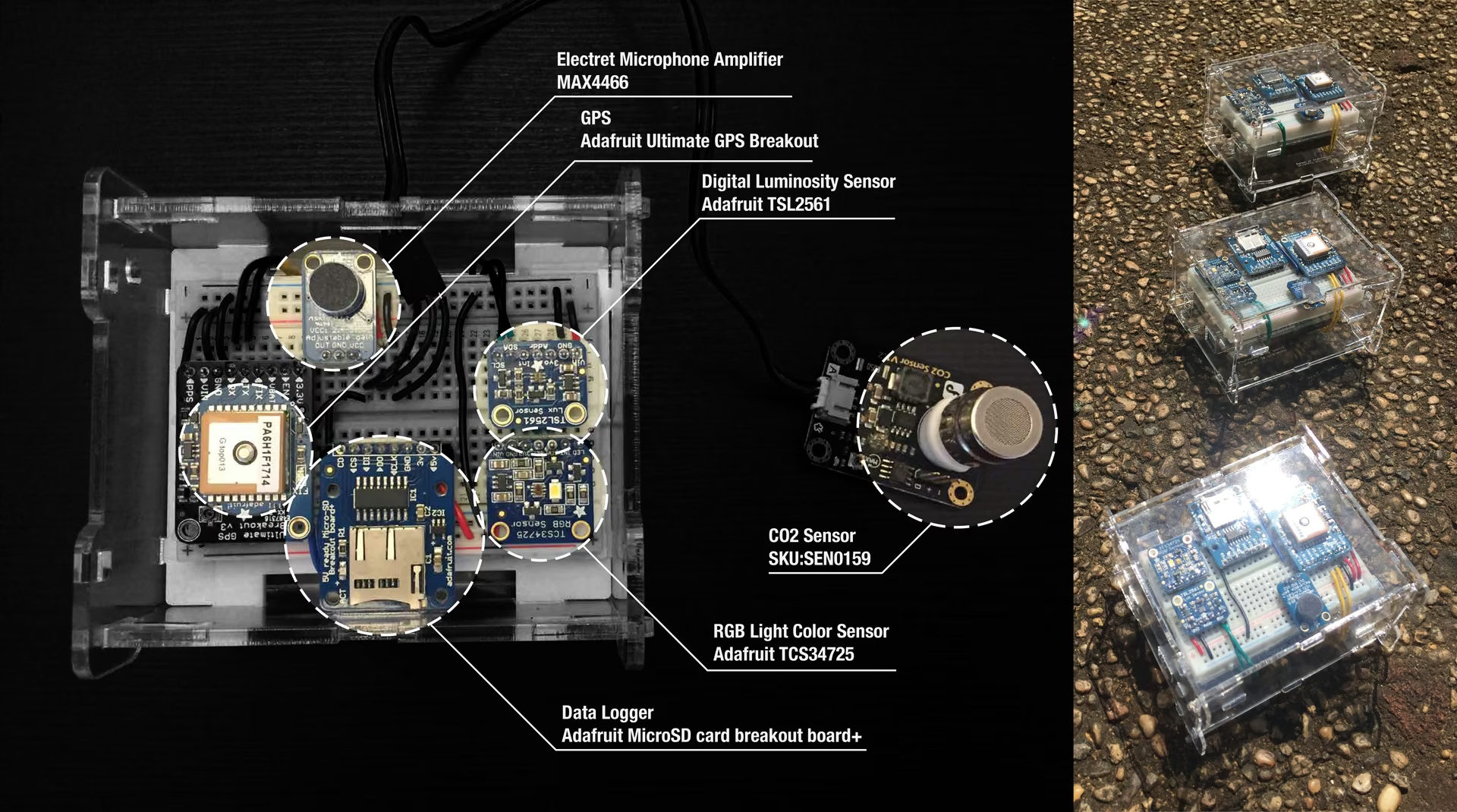
← Projects DIY urban sensing devices, opened and in the field

Urban Sensing

2016–2020 · Physical Computing

Collaborators
  • Mona El Khafif — University of Virginia
  • Andrew Mondschein — University of Virginia
  • Eric Field — University of Virginia
Related Projects
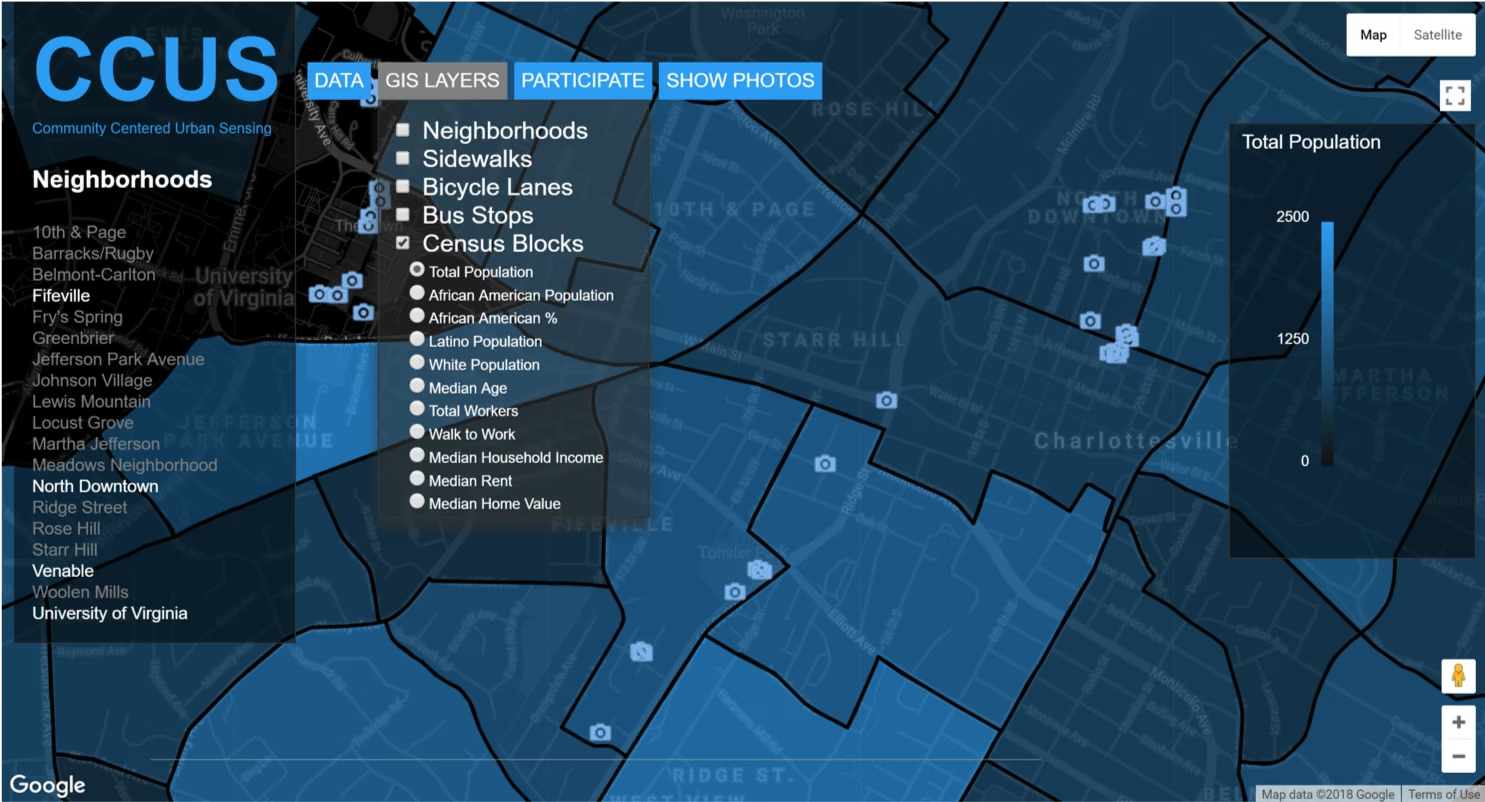
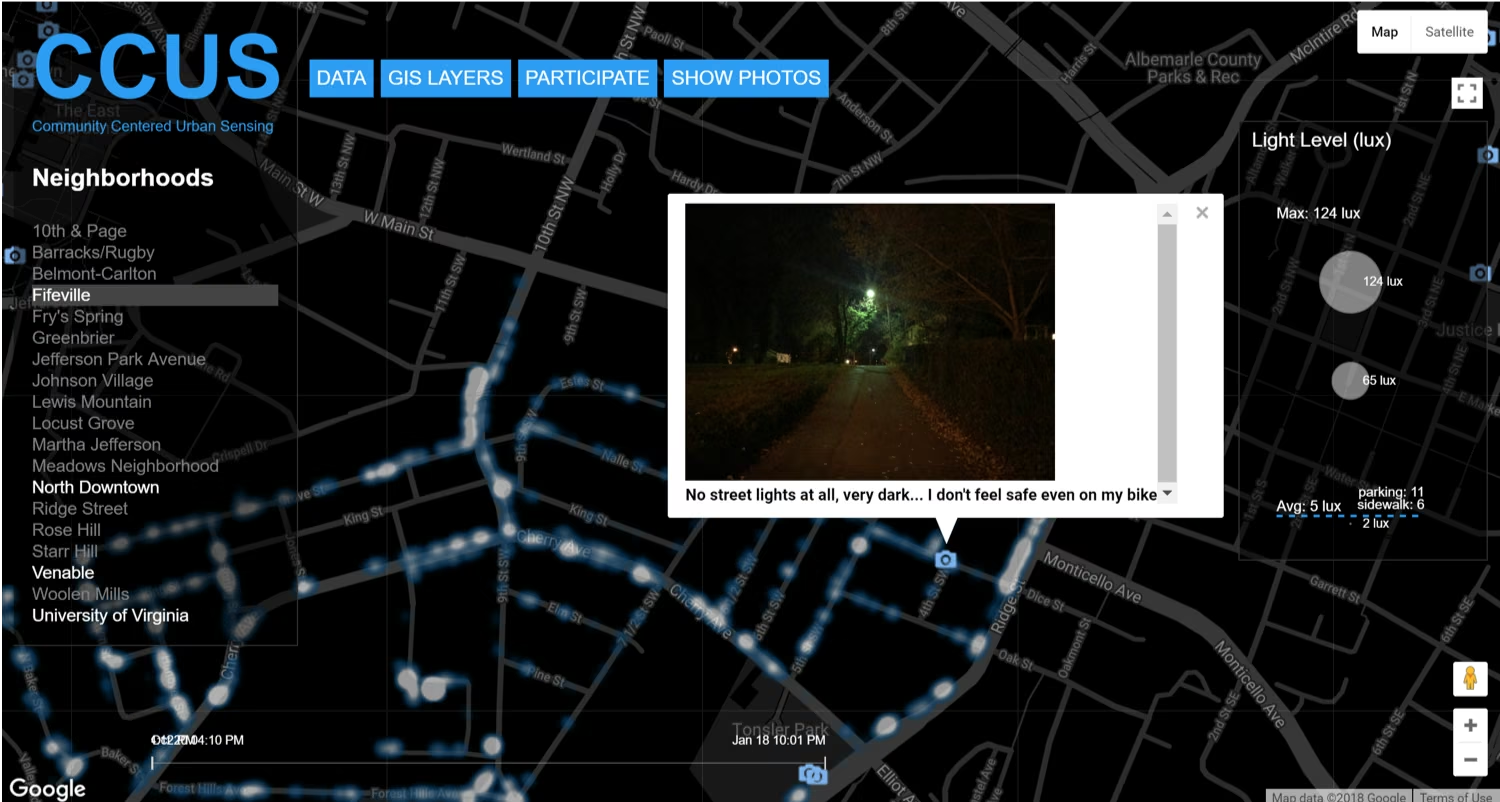
  • Community-Centered Urban Sensing (CCUS) — Charlottesville, VA, 2018–2020
  • Networked Public Space (NPS) — Charlottesville, VA, 2020; PI: Ila Berman
  • Ostenda illuminata — Public installation, Charlottesville, VA, 2020
Related Publications
  • Mondschein, Andrew, Zihao Zhang, and Mona El Khafif. “Community-Centered Urban Sensing: Smart Engaged Planning and Design in a Dysfunctional Urban Context.” International Journal of E-Planning Research 8, no. 4 (2019): 1–16. doi:10.4018/IJEPR.2019100101
  • El Khafif, Mona, Zihao Zhang, and Andrew Mondschein. “Mapping the Nocturnal City: Community-Centered Urban Sensing, Charlottesville, VA.” 3rd City Street Conference Proceedings (2018): 73–85.
  • Zhang, Zihao, Andrew Mondschein, and Mona El Khafif. “Human-Tool Assemblage: Designers in the Big Data World.” Journal of Digital Landscape Architecture 2 (2018): 397–405. doi:10.14627/537642042

A sensor is not a neutral eye innocently observing the environment. This work builds sensing as a design instrument: physical computing, custom sensors, and responsive prototypes that ask what a landscape does when it can register its own conditions.

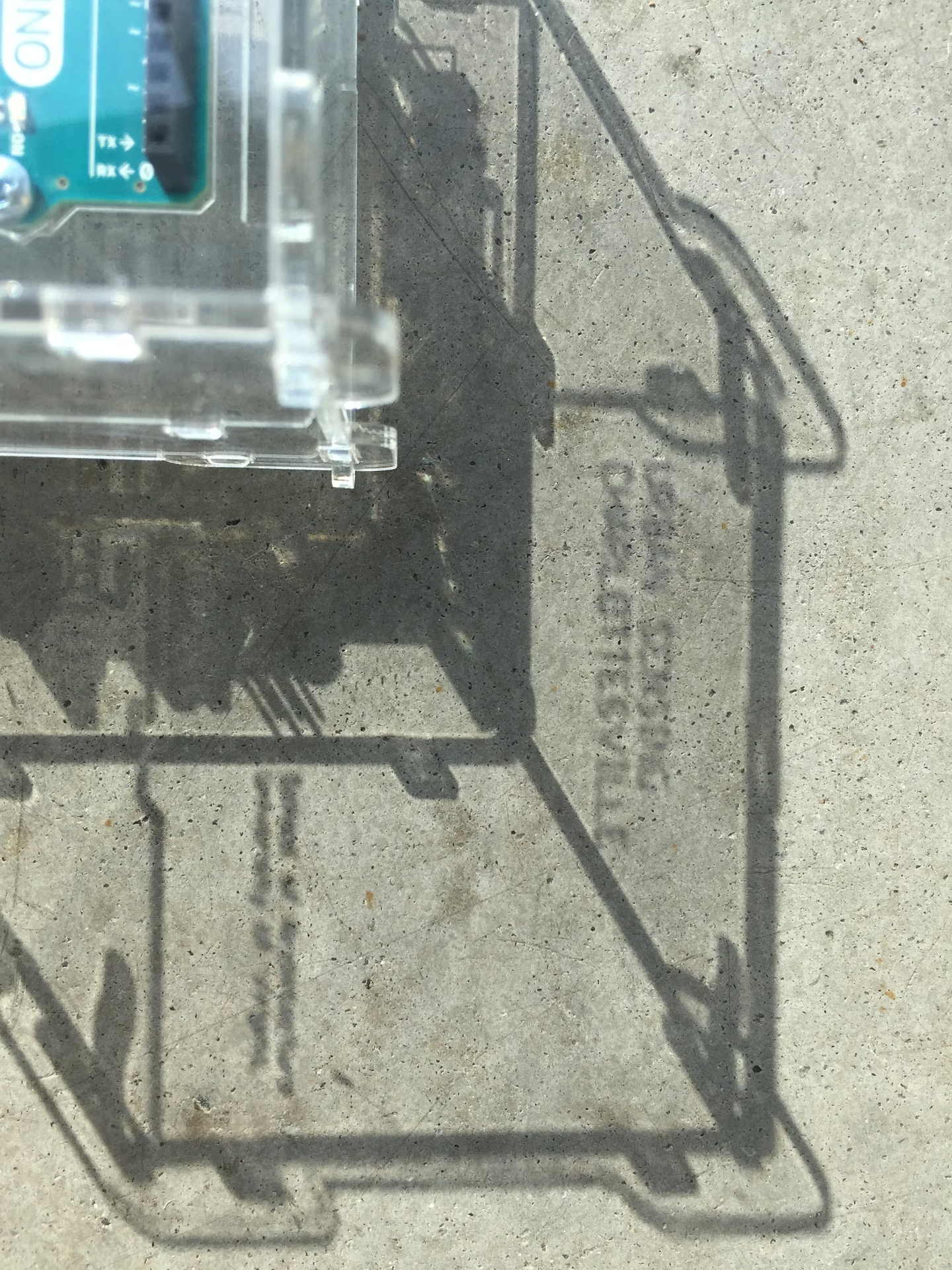
Prototyping is the method, and also the argument. The sensing kits are open-hardware assemblies — an Arduino, a GPS breakout, a microSD logger, and a stack of environmental sensors — small enough to sit in a palm and cheap enough to hand out. Each round of soldering, field-testing, and rebuilding changes what the instrument can ask, so the design question and the technical question stay entangled. Because the device is legible and reproducible, measuring becomes something a resident can do, rather than something done to a neighborhood.

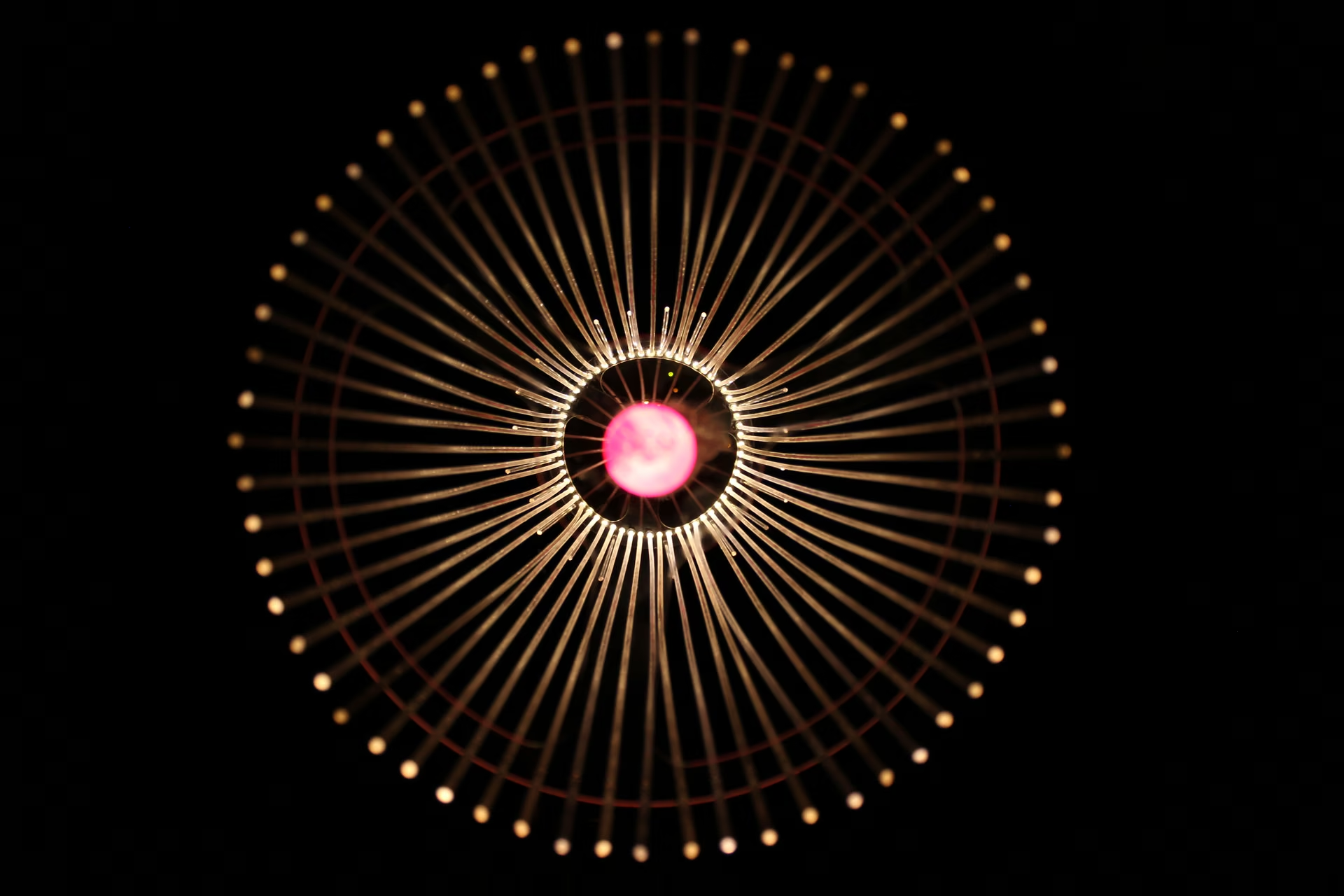
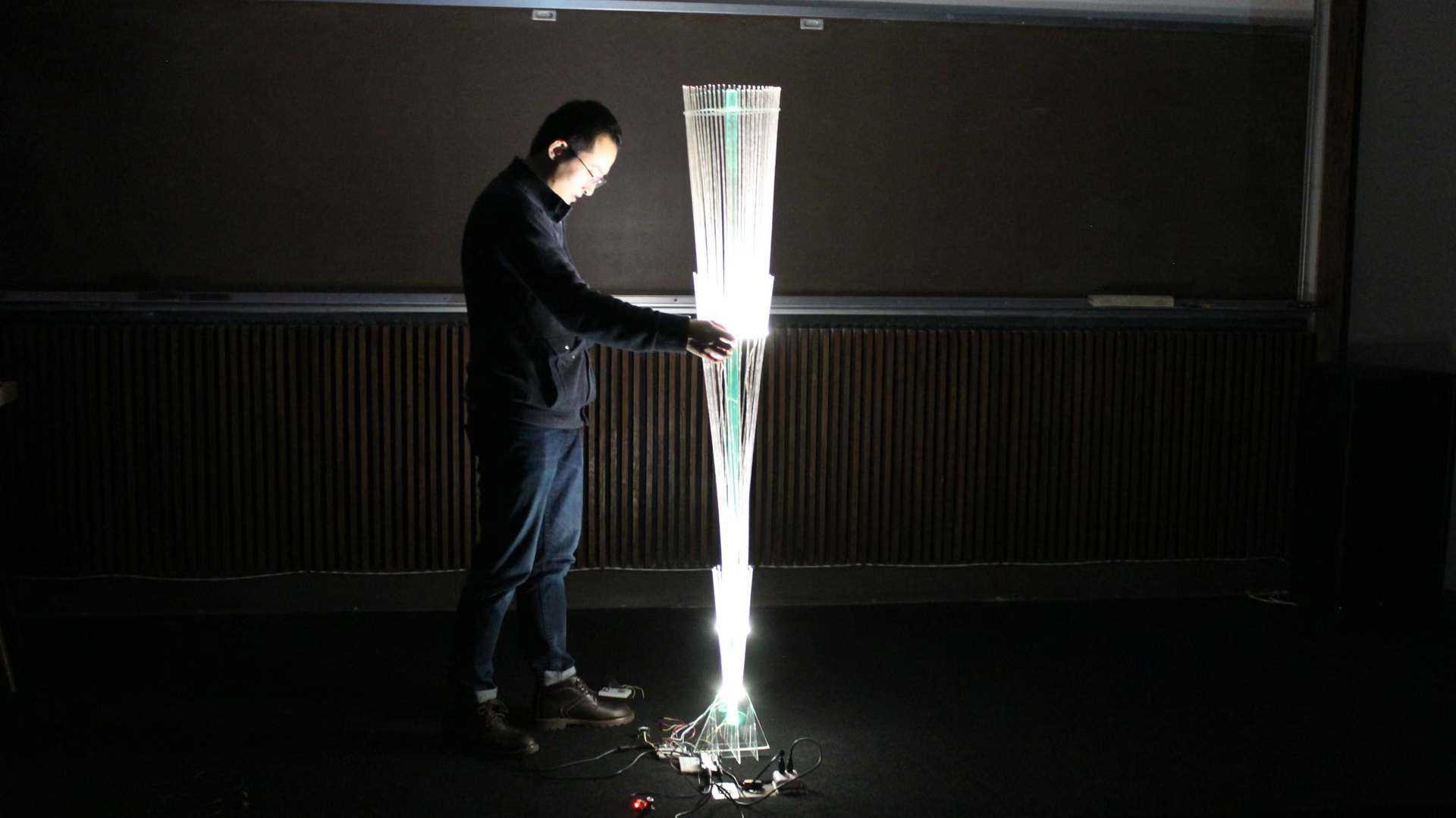
The responsive work takes the same sensor logic into space, turning readings that are usually invisible into something a body registers directly. Instrument and installation are two halves of one practice: one asks what the environment is doing, the other asks what it feels like to be inside it.
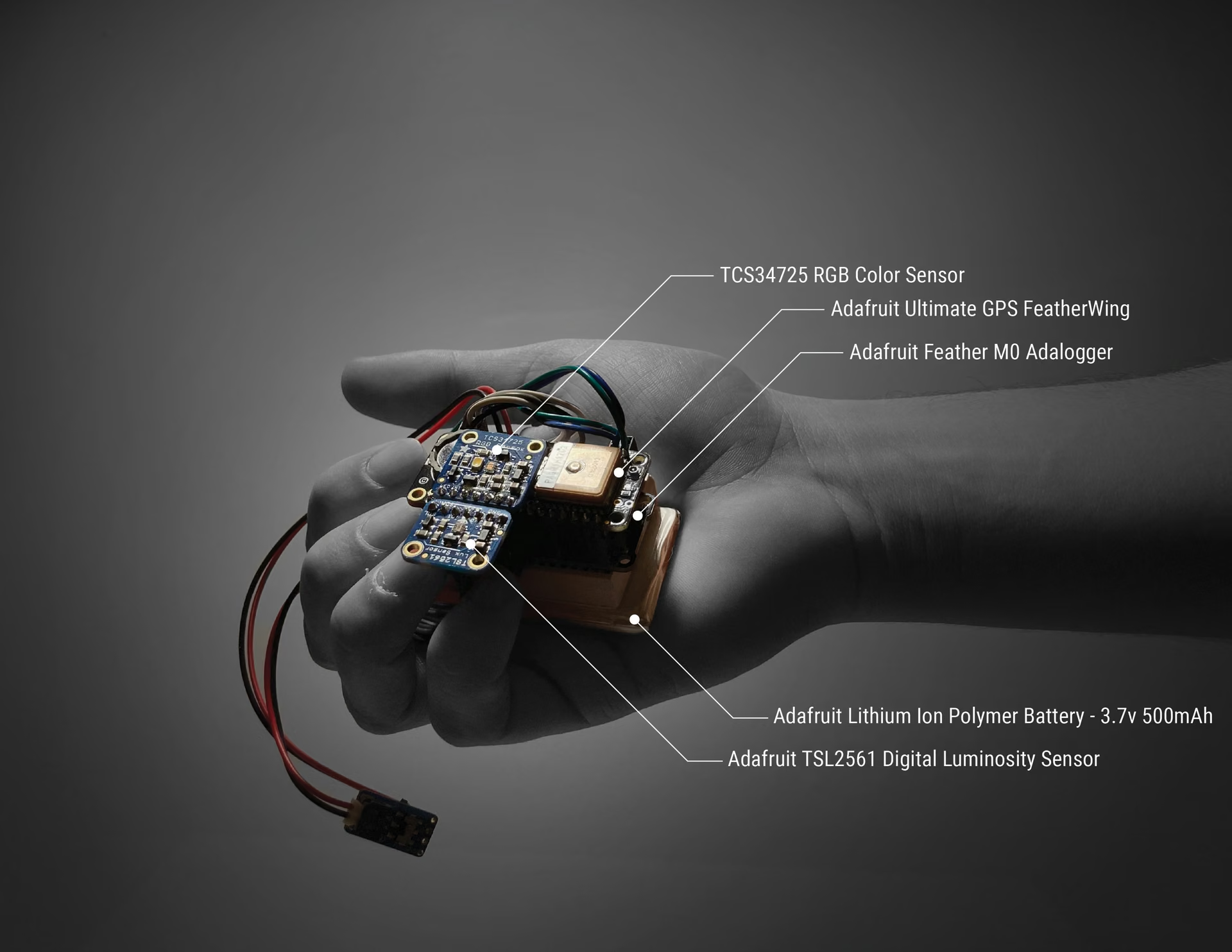
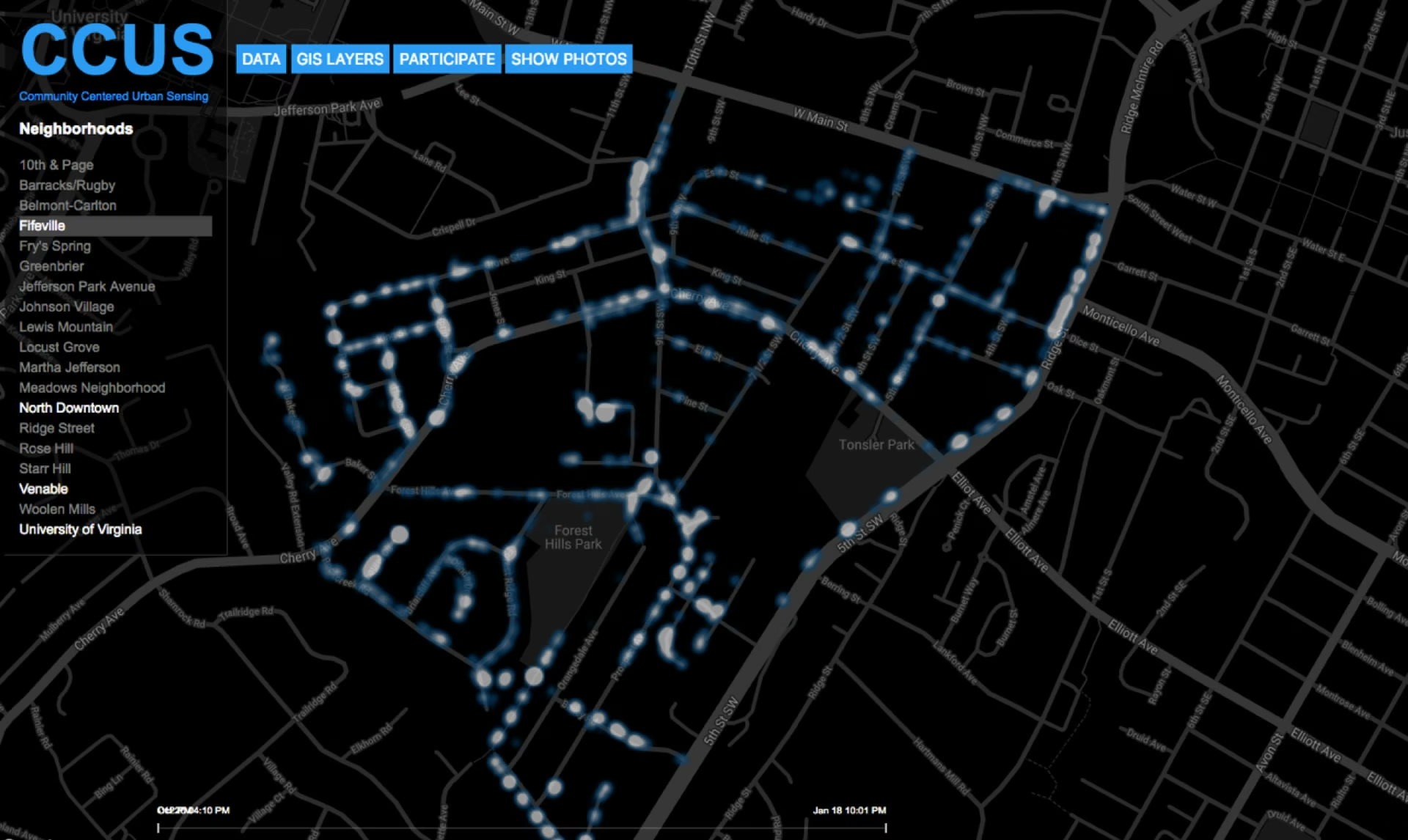
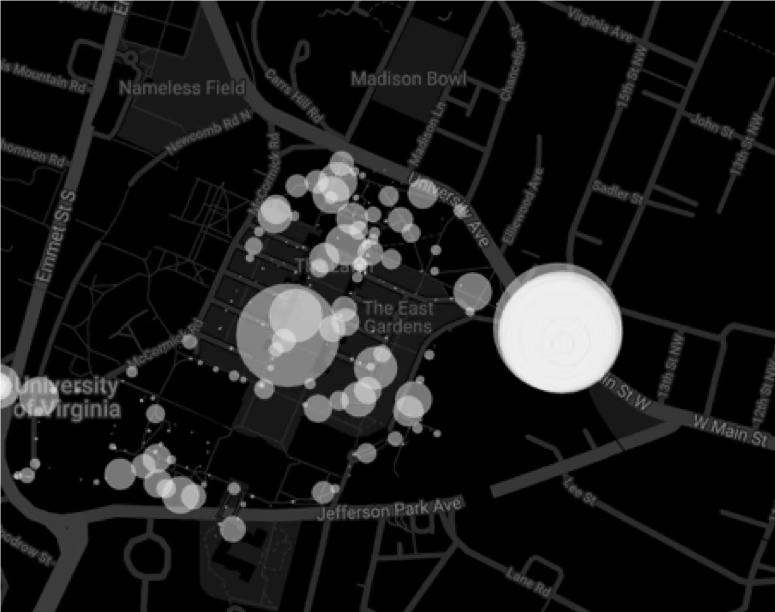
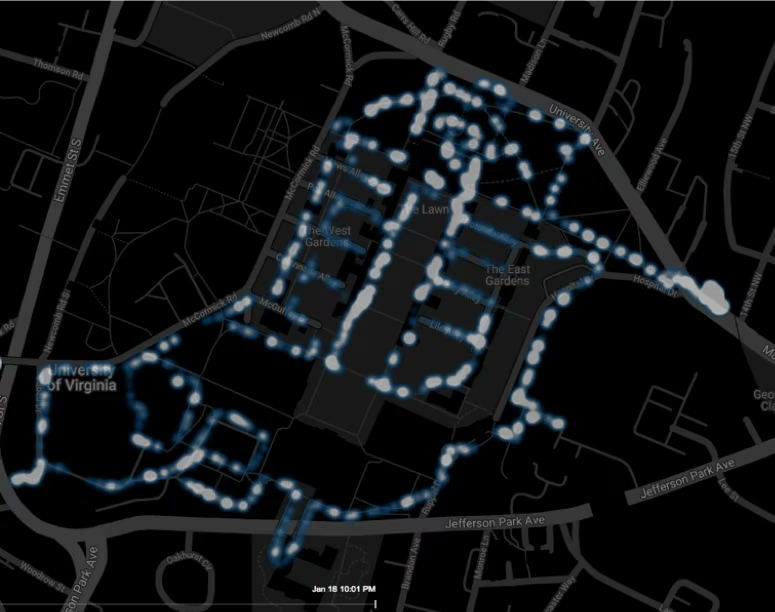
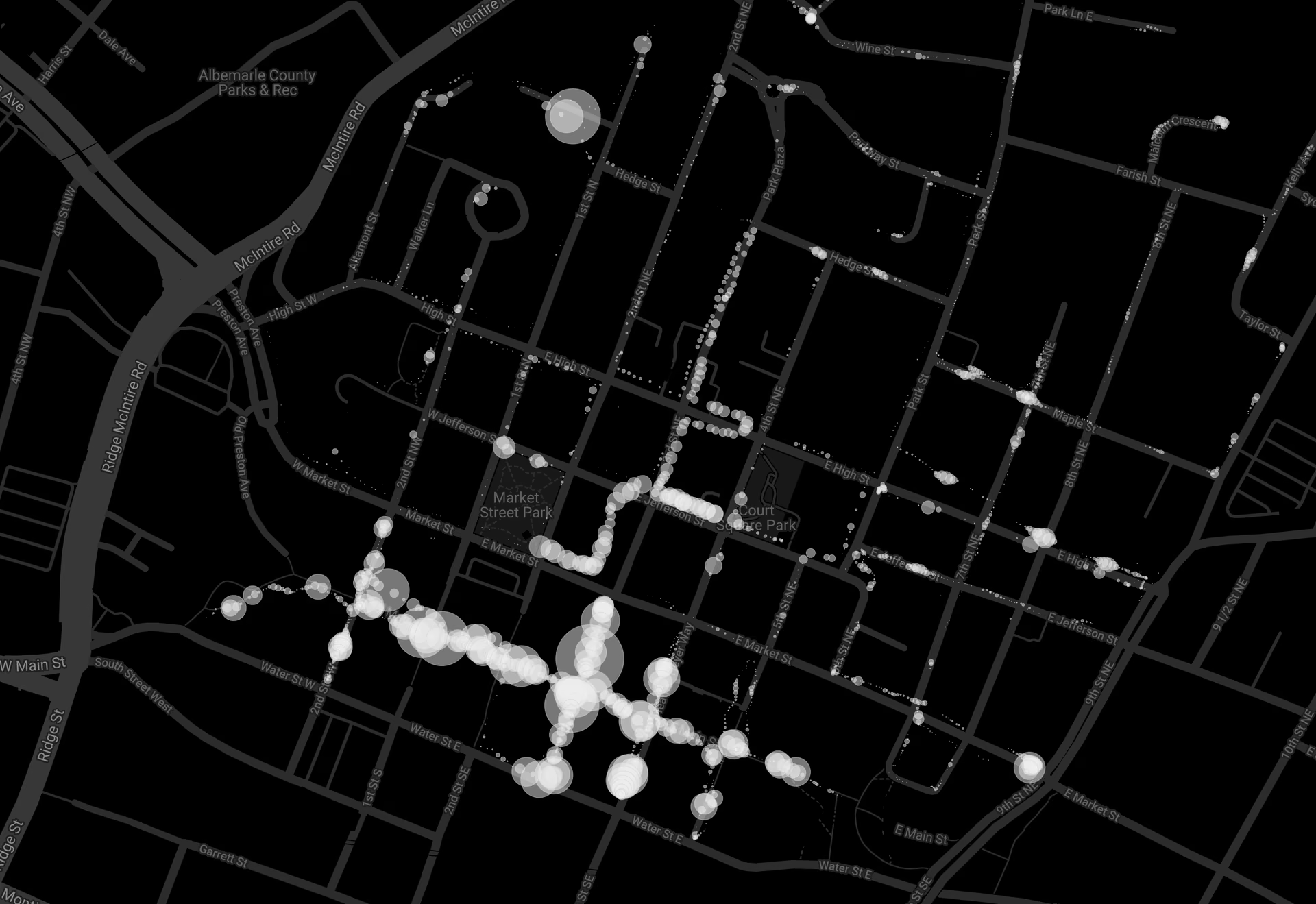
A sensing kit in hand, with each Adafruit component labelled Community Centered Urban Sensing platform: aggregated tracks by neighborhood Downtown readings mapped as graduated points